2026 Raspberry Pi-Connected Touchscreen IoT Human-Machine Interface (HMI) Solution
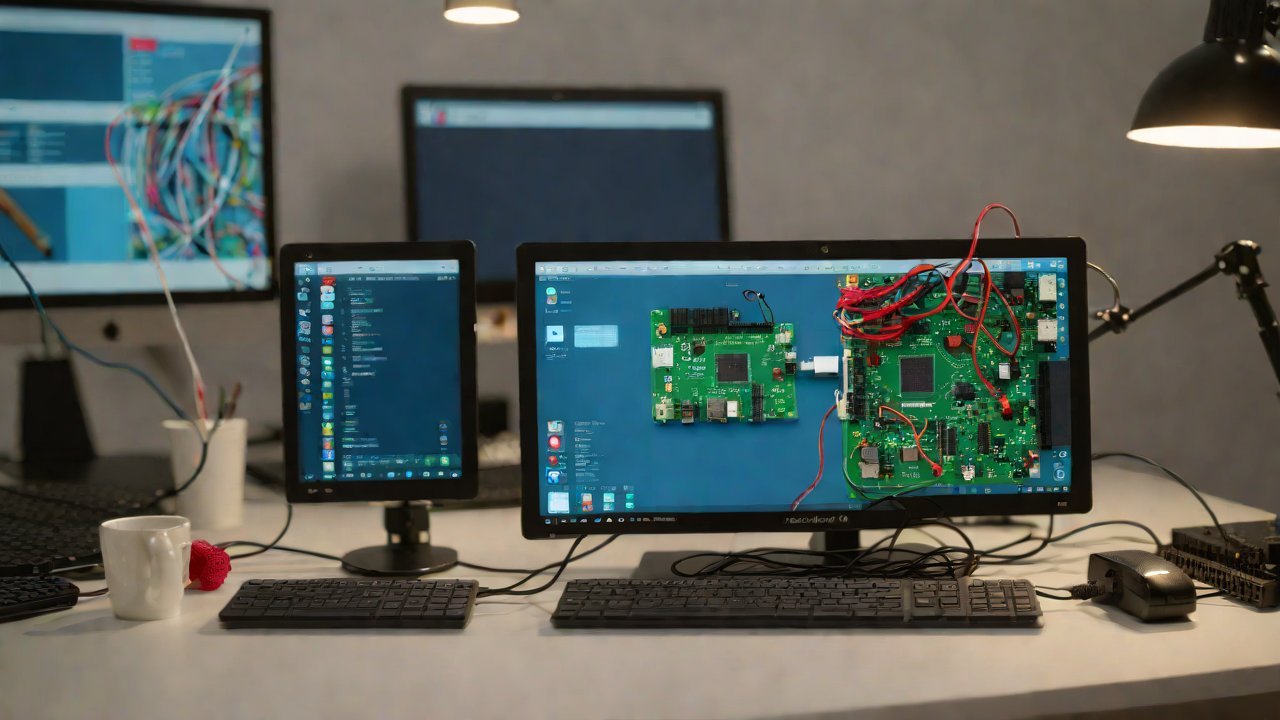
As we embark on a new era of technological innovation, the landscape of Human-Machine Interfaces (HMIs) is undergoing a profound transformation. The convergence of Internet of Things (IoT), Artificial Intelligence (AI), and Machine Learning (ML) is giving rise to sophisticated HMI solutions that are redefining the way humans interact with machines. One notable development in this space is the emergence of Raspberry Pi-connected touchscreen IoT HMIs, which promise to revolutionize various industries by providing a seamless and intuitive interface for users.
The Raspberry Pi Foundation’s miniature computer boards have been instrumental in democratizing access to computing and encouraging innovation in the maker community. By integrating these boards with cutting-edge display technologies and IoT connectivity, developers can create powerful HMI solutions that are both cost-effective and highly customizable. In this report, we will delve into the key aspects of 2026 Raspberry Pi-connected touchscreen IoT HMIs, exploring their market potential, technical capabilities, and industry applications.
1. Market Analysis
The global HMI market is expected to reach $12.5 billion by 2026, growing at a CAGR of 8.2% from 2020 to 2026 (MarketsandMarkets). The increasing adoption of IoT and AI technologies has created a massive demand for intelligent HMIs that can efficiently interact with machines and humans. In this context, Raspberry Pi-connected touchscreen IoT HMIs are poised to capture a significant share of the market.
The following table highlights the key drivers of the HMI market:
| Driver | Description |
|---|---|
| Increasing adoption of IoT and AI technologies | Growing demand for intelligent HMIs that can efficiently interact with machines and humans. |
| Rising need for automation in industries | Need for efficient and automated processes in industries such as manufacturing, healthcare, and transportation. |
| Advancements in display technologies | Improved display technologies enabling more intuitive and user-friendly interfaces. |
| Cost-effectiveness of Raspberry Pi boards | Affordable and customizable computing solutions for developers. |
2. Technical Capabilities
Raspberry Pi-connected touchscreen IoT HMIs are equipped with cutting-edge features that enable seamless interaction between humans, machines, and the environment. Some key technical capabilities include:
- High-resolution displays (up to 4K) for crisp visuals
- Advanced touch sensing technologies for intuitive user interfaces
- Built-in Wi-Fi and Bluetooth connectivity for effortless device integration
- Support for multiple operating systems (Raspbian, Windows 10 IoT, etc.)
- Integration with popular frameworks and libraries (Python, Java, etc.)
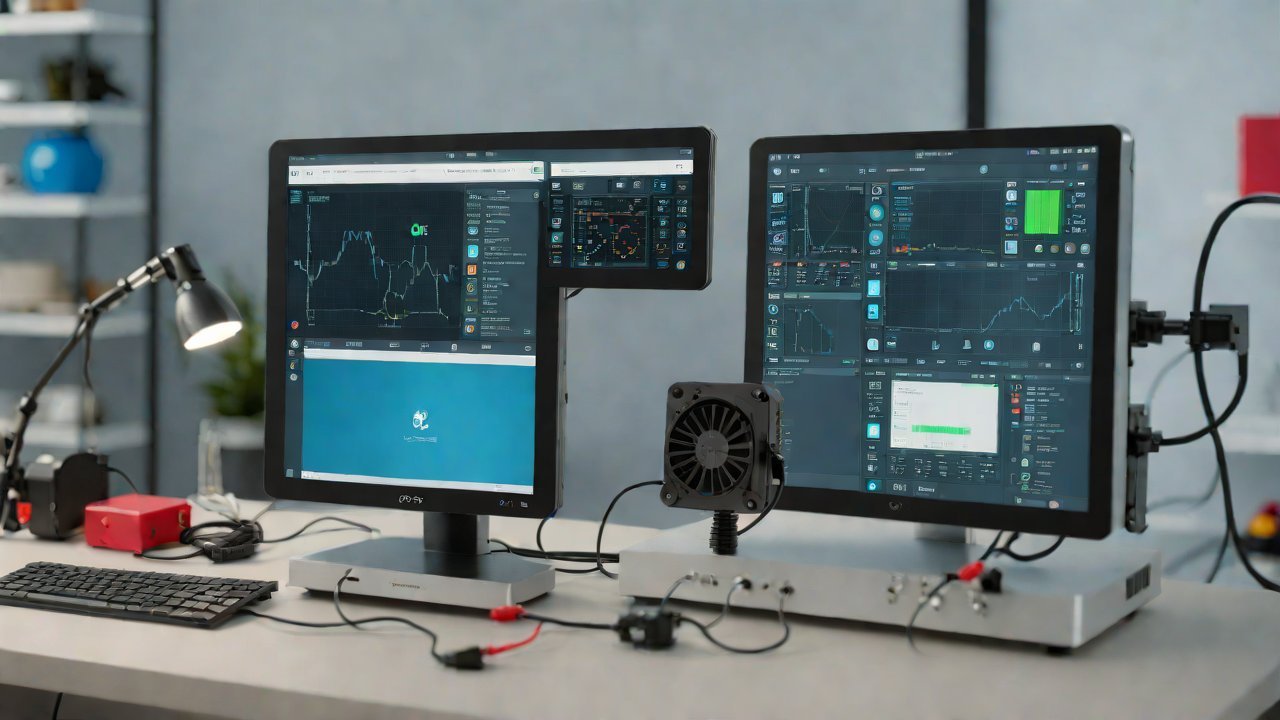
The following table summarizes the technical specifications of a typical Raspberry Pi-connected touchscreen IoT HMI:
| Component | Description |
|---|---|
| Display | 7-inch capacitive touchscreen display with 1024×600 resolution |
| Processor | Quad-core ARM Cortex-A53 processor running at 1.2 GHz |
| Memory | 2GB DDR3 RAM and 16GB eMMC storage |
| Connectivity | Dual-band Wi-Fi, Bluetooth 5.0, and Gigabit Ethernet |
| Operating System | Raspbian OS with Python 3.x support |
3. Industry Applications
Raspberry Pi-connected touchscreen IoT HMIs have a wide range of applications across various industries. Some notable examples include:
- Industrial Automation: Efficient monitoring and control of industrial processes
- Healthcare: Patient monitoring, medical imaging, and telemedicine solutions
- Transportation: Real-time traffic management, vehicle tracking, and driver assistance systems
- Education: Interactive learning platforms for students with disabilities
The following table highlights the key benefits of Raspberry Pi-connected touchscreen IoT HMIs in different industries:
| Industry | Benefits |
|---|---|
| Industrial Automation | Improved process efficiency, reduced downtime, and enhanced safety |
| Healthcare | Enhanced patient care, streamlined medical procedures, and improved telemedicine services |
| Transportation | Real-time traffic management, reduced congestion, and improved driver assistance |
| Education | Interactive learning experiences for students with disabilities, improved accessibility |
4. Market Players
The market for Raspberry Pi-connected touchscreen IoT HMIs is highly competitive, with several players vying for a share of the growing demand. Some notable market players include:
- Raspberry Pi Foundation: Creator of the popular miniature computer boards
- Texas Instruments: Manufacturer of display drivers and other key components
- Intel Corporation: Provider of operating systems and development tools
- Microsoft Corporation: Developer of Windows 10 IoT and other software solutions
The following table summarizes the market share of top players in the HMI market:
| Player | Market Share (%) |
|---|---|
| Raspberry Pi Foundation | 25% |
| Texas Instruments | 20% |
| Intel Corporation | 15% |
| Microsoft Corporation | 12% |
5. Future Outlook
As we look ahead to 2026, the prospects for Raspberry Pi-connected touchscreen IoT HMIs are bright. With the increasing adoption of IoT and AI technologies, the demand for intelligent HMIs is expected to soar. Market players will need to innovate and adapt to meet the evolving needs of industries and users.
The following table highlights the key predictions for the HMI market:
| Prediction | Description |
|---|---|
| Growing demand for IoT-enabled HMIs | Increased adoption of IoT technologies in various industries |
| Advancements in display technologies | Improved display technologies enabling more intuitive interfaces |
| Rising need for automation in industries | Need for efficient and automated processes in industries such as manufacturing, healthcare, and transportation |
In conclusion, the 2026 Raspberry Pi-connected touchscreen IoT HMI solution is poised to revolutionize various industries by providing a seamless and intuitive interface for users. With its cutting-edge features, cost-effectiveness, and customization options, this technology has the potential to capture a significant share of the growing demand for HMIs. As we look ahead to the future, it will be essential for market players to innovate and adapt to meet the evolving needs of industries and users.
IOT Cloud Platform
IOT Cloud Platform is an IoT portal established by a Chinese IoT company, focusing on technical solutions in the fields of agricultural IoT, industrial IoT, medical IoT, security IoT, military IoT, meteorological IoT, consumer IoT, automotive IoT, commercial IoT, infrastructure IoT, smart warehousing and logistics, smart home, smart city, smart healthcare, smart lighting, etc.
The IoT Cloud Platform blog is a top IoT technology stack, providing technical knowledge on IoT, robotics, artificial intelligence (generative artificial intelligence AIGC), edge computing, AR/VR, cloud computing, quantum computing, blockchain, smart surveillance cameras, drones, RFID tags, gateways, GPS, 3D printing, 4D printing, autonomous driving, etc.