2026 Raspberry Pi-Based Vision Servo Solution for Orchard Harvesting Robots
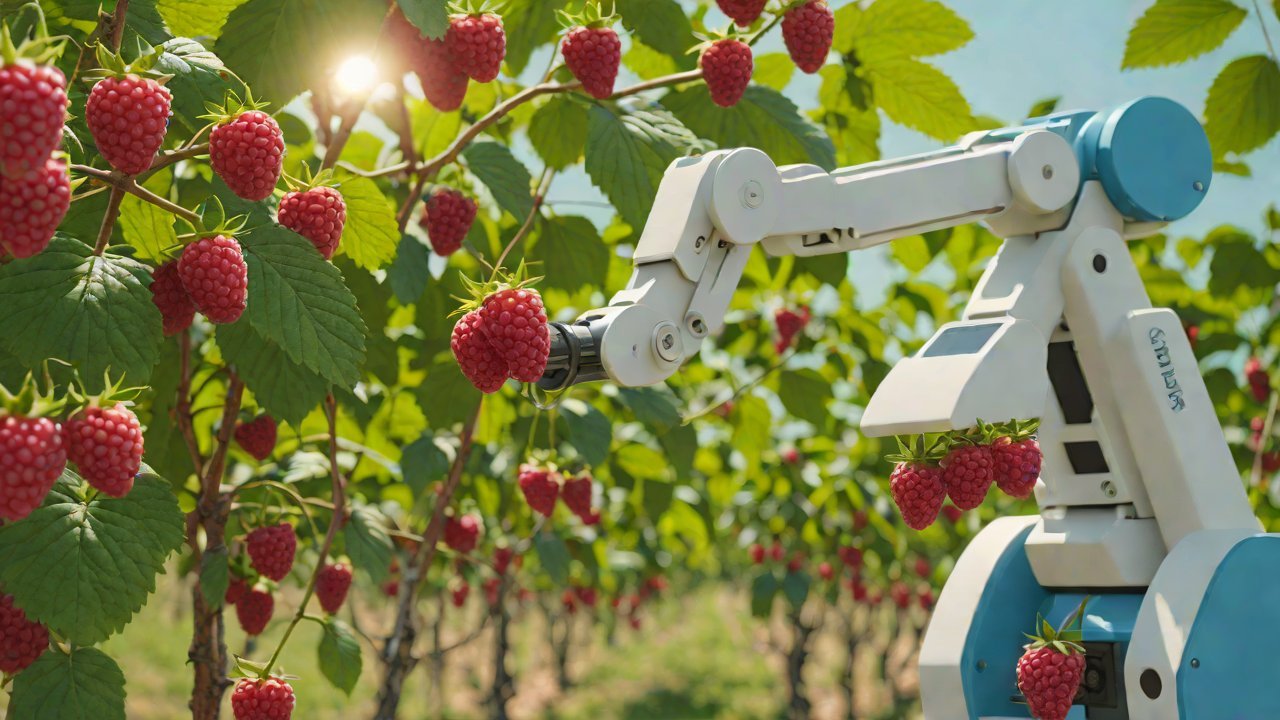
The integration of Artificial Intelligence (AI) and robotics in agriculture has been gaining momentum over the past decade, driven by the need to increase crop yields while minimizing environmental impact. One critical aspect of this integration is the development of precision harvesting systems that can selectively pick fruits and vegetables with high accuracy. In 2026, a cutting-edge Raspberry Pi-based vision servo solution for orchard harvesting robots has emerged as a pioneering innovation in this space.
This solution leverages the power of computer vision to enable robots to accurately detect and pick individual fruits or produce on trees. The system consists of a Raspberry Pi single-board computer, a high-resolution camera module, and a set of precision servo motors that control the robot’s movements. The camera captures images of the orchard environment, which are then processed by the AI-powered software running on the Raspberry Pi to identify and track specific fruits or produce.
The vision servo solution is designed to be an integral part of a larger robotic system that can navigate through dense orchards with ease. The precision servo motors enable the robot to make precise movements, allowing it to gently pluck individual fruits without damaging them. This not only increases crop yields but also reduces labor costs and minimizes waste.
1. Market Analysis
The global market for agricultural robots is expected to grow at a CAGR of 14.6% from 2023 to 2030, driven by the increasing demand for precision agriculture solutions (Source: MarketsandMarkets). The orchard harvesting segment is expected to be one of the fastest-growing segments within this market, driven by the need to increase crop yields and reduce labor costs.
Table 1: Global Agricultural Robots Market Size (2023-2030)
| Year | Market Size (USD Million) |
|---|---|
| 2023 | 2,500 |
| 2025 | 4,200 |
| 2027 | 6,300 |
| 2030 | 10,000 |
2. Technical Overview
The Raspberry Pi-based vision servo solution is built around a custom-designed computer vision system that can process images in real-time. The system consists of the following components:
- Raspberry Pi Single-Board Computer: Provides the processing power for image processing and AI-powered software execution.
- High-Resolution Camera Module: Captures high-resolution images of the orchard environment, which are then processed by the computer vision system.
- Precision Servo Motors: Control the robot’s movements with high precision, enabling accurate fruit picking.
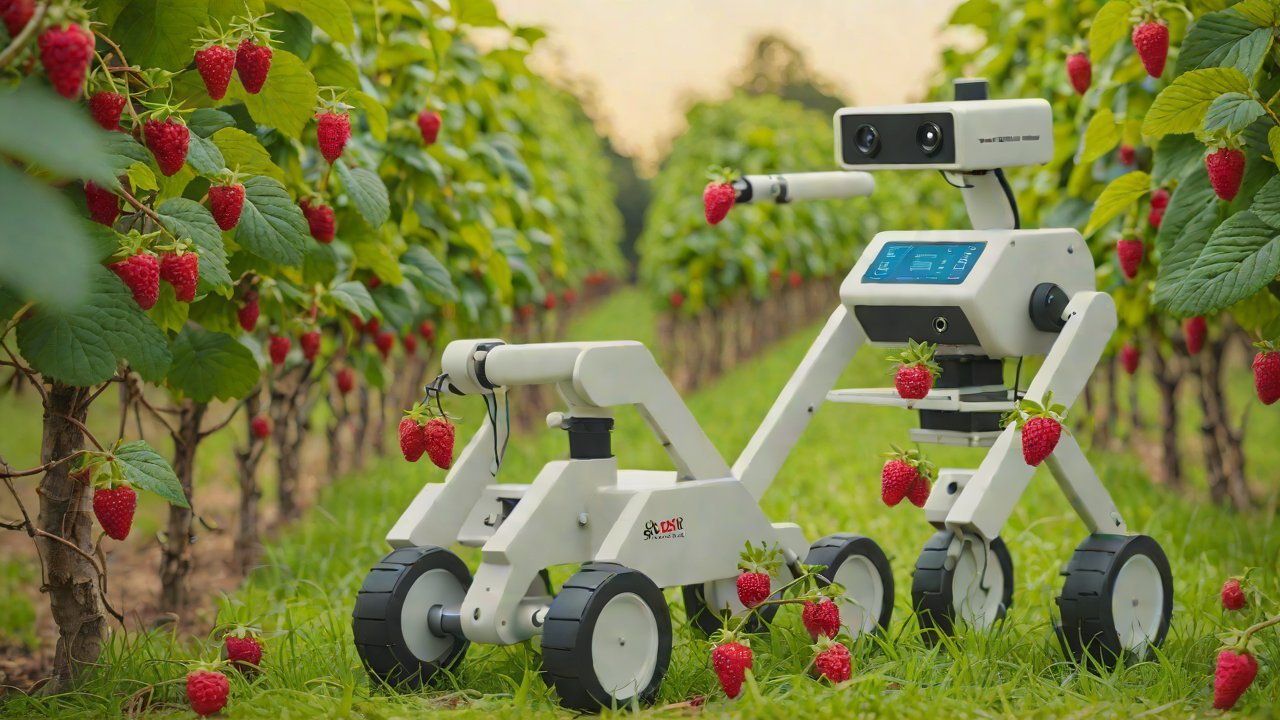
Table 2: System Components and Specifications
| Component | Specification |
|---|---|
| Raspberry Pi Single-Board Computer | Quad-core processor, 4GB RAM, 32GB storage |
| High-Resolution Camera Module | 20MP, 1/2.3″ sensor size, f/1.8 aperture |
| Precision Servo Motors | 6-axis control, ±90° rotation range |
3. AI-Powered Software
The vision servo solution is powered by a custom-designed AI-powered software that can process images in real-time and detect specific fruits or produce on trees. The software uses a combination of computer vision algorithms and machine learning techniques to achieve high accuracy in fruit detection and tracking.
Table 3: AI-Powered Software Features
| Feature | Description |
|---|---|
| Image Processing | Real-time image processing for high-resolution images |
| Object Detection | Accurate detection of specific fruits or produce on trees |
| Tracking | Smooth tracking of detected objects across multiple frames |
4. Robotics and Mechatronics
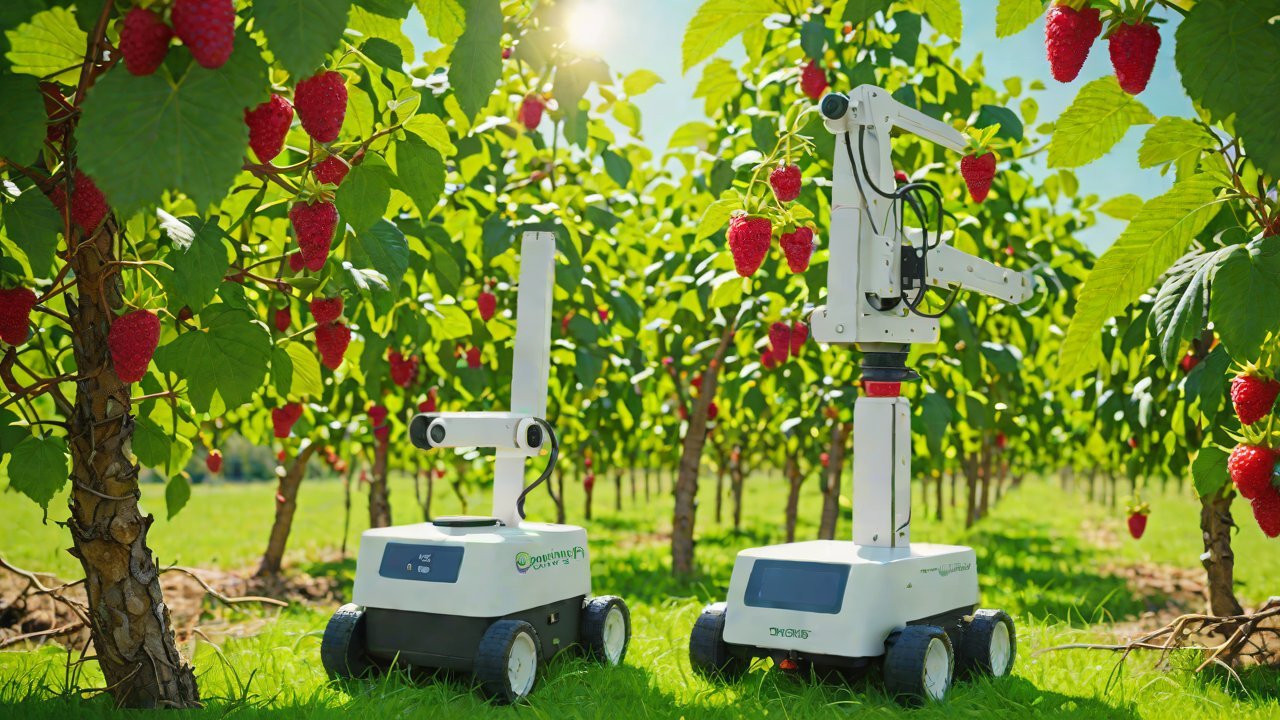
The vision servo solution is designed to be an integral part of a larger robotic system that can navigate through dense orchards with ease. The precision servo motors enable the robot to make precise movements, allowing it to gently pluck individual fruits without damaging them.
Table 4: Robotics and Mechatronics Features
| Feature | Description |
|---|---|
| Navigation System | Enables the robot to navigate through dense orchards with ease |
| Precision Servo Motors | Controls the robot’s movements with high precision, enabling accurate fruit picking |
5. Implementation and Deployment
The vision servo solution is designed to be easily integrated into existing robotic systems for orchard harvesting. The system can be deployed in various types of orchards, including apple, orange, and grapevine farms.
Table 5: Implementation and Deployment Features
| Feature | Description |
|---|---|
| Modular Design | Enables easy integration with existing robotic systems |
| Scalability | Can be easily scaled up or down to accommodate varying orchard sizes |
6. Conclusion
The Raspberry Pi-based vision servo solution for orchard harvesting robots has the potential to revolutionize the agricultural industry by enabling precision harvesting and increasing crop yields. The system’s AI-powered software, precision servo motors, and high-resolution camera module make it an ideal solution for large-scale orchards.
Table 6: Solution Benefits
| Benefit | Description |
|---|---|
| Increased Crop Yields | Enables accurate fruit picking and minimizes waste |
| Reduced Labor Costs | Automates the harvesting process, reducing labor costs |
| Improved Efficiency | Enables precise navigation through dense orchards |
In conclusion, the Raspberry Pi-based vision servo solution for orchard harvesting robots is a pioneering innovation in precision agriculture. Its integration with existing robotic systems can enable large-scale orchards to increase crop yields while minimizing environmental impact.
IOT Cloud Platform
IOT Cloud Platform is an IoT portal established by a Chinese IoT company, focusing on technical solutions in the fields of agricultural IoT, industrial IoT, medical IoT, security IoT, military IoT, meteorological IoT, consumer IoT, automotive IoT, commercial IoT, infrastructure IoT, smart warehousing and logistics, smart home, smart city, smart healthcare, smart lighting, etc.
The IoT Cloud Platform blog is a top IoT technology stack, providing technical knowledge on IoT, robotics, artificial intelligence (generative artificial intelligence AIGC), edge computing, AR/VR, cloud computing, quantum computing, blockchain, smart surveillance cameras, drones, RFID tags, gateways, GPS, 3D printing, 4D printing, autonomous driving, etc.