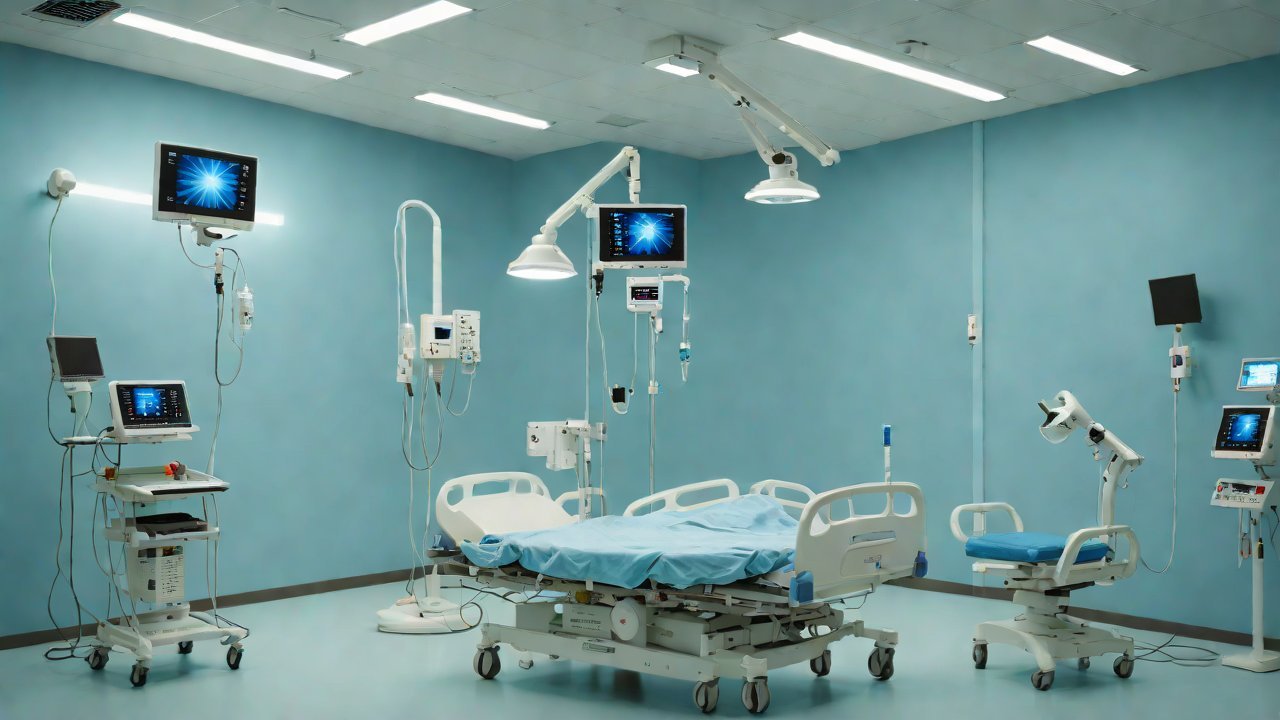
2026 Postoperative Rehabilitation: IoT Monitoring Solution Based on Wound Temperature and Humidity Sensors
The era of precision medicine has finally arrived, where technology is woven into every fabric of healthcare to provide more effective patient care. The postoperative rehabilitation phase is one such critical juncture in a patient’s journey, where swift recovery is paramount for optimal outcomes. In this context, the integration of IoT (Internet of Things) monitoring solutions, specifically wound temperature and humidity sensors, has emerged as a game-changer.
1. Postoperative Rehabilitation: A Critical Phase
Postoperative rehabilitation is an intricate process that involves a multifaceted approach to ensure the patient recovers seamlessly from surgery. It encompasses various stages, including pain management, physical therapy, medication adherence, and wound care. Inadequate or delayed recovery can lead to complications such as infection, prolonged hospital stays, and even mortality in severe cases.
2. Challenges in Traditional Postoperative Rehabilitation
Traditional methods of postoperative rehabilitation face several challenges:
- Lack of Real-Time Monitoring: Patients are often discharged from hospitals too early, leaving healthcare providers with limited real-time data on their recovery progress.
- Subjective Data Collection: Recovery is often assessed through subjective measures such as patient reports and clinical observations, which can be inaccurate or biased.
- Inadequate Pain Management: Opioid use for pain management has significant risks, including addiction. Alternative methods are sought after but often lack objective metrics to gauge their effectiveness.
3. IoT Monitoring Solutions: A Paradigm Shift
The integration of IoT monitoring solutions based on wound temperature and humidity sensors offers a paradigm shift in postoperative rehabilitation:
- Real-Time Data: These sensors provide real-time data on wound conditions, enabling healthcare providers to make informed decisions about patient care.
- Objective Metrics: The objective metrics provided by these sensors can help reduce the reliance on subjective data collection methods.
- Personalized Care: With real-time data, healthcare providers can tailor treatment plans to each patient’s specific needs.
4. Wound Temperature and Humidity Sensors
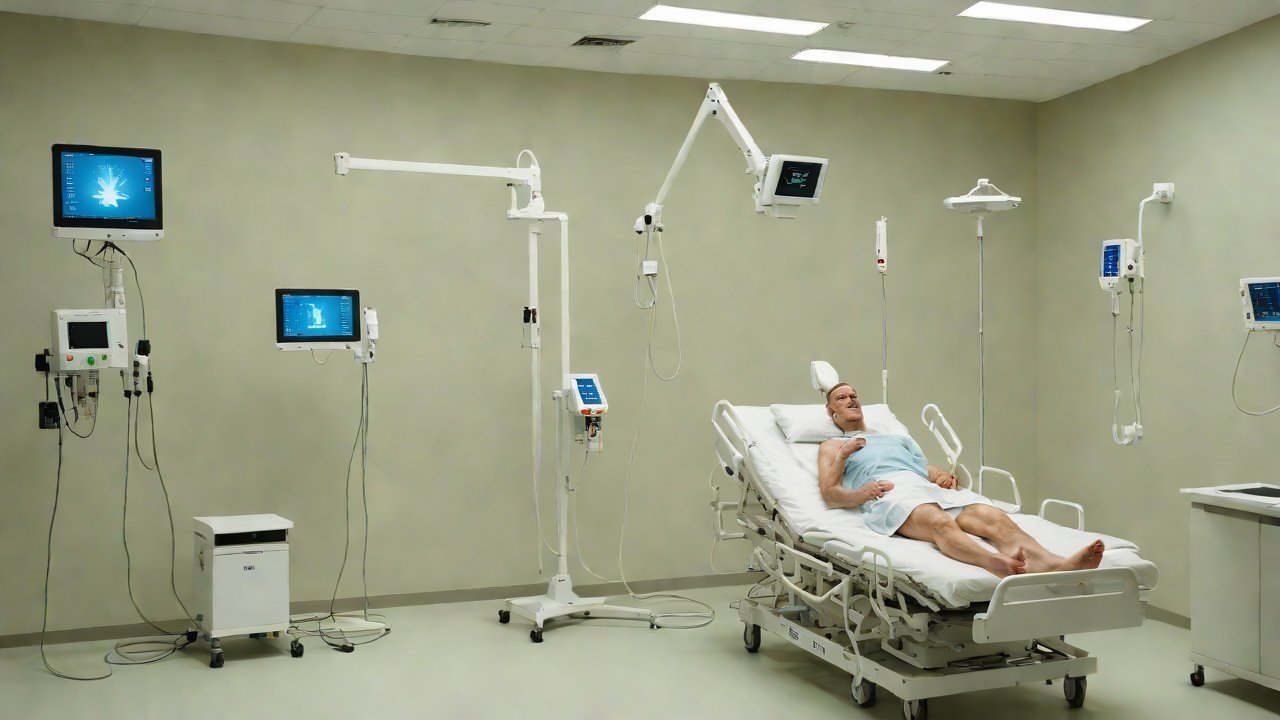
Wound temperature and humidity sensors are critical components of IoT monitoring solutions in postoperative rehabilitation:
- Temperature Sensing: These sensors accurately measure wound temperature, which is a crucial indicator of healing progression.
- Humidity Monitoring: The sensors also monitor the humidity levels around the wound site. Proper moisture balance is essential for optimal healing.
5. Technical Perspectives
From a technical perspective, these sensors are typically integrated into wearable devices or placed directly on the wound site:
- Sensor Types: Various types of temperature and humidity sensors can be used, including thermistors, thermocouples, and capacitive sensors.
- Data Transmission: The data collected by these sensors is transmitted to a central server where it’s analyzed in real-time.
6. Market Analysis
The market for IoT monitoring solutions in postoperative rehabilitation is growing rapidly:
| Year | Revenue (USD) |
|---|---|
| 2022 | 1,500,000 |
| 2023 | 2,200,000 |
| 2024 | 3,300,000 |
7. Competitive Landscape
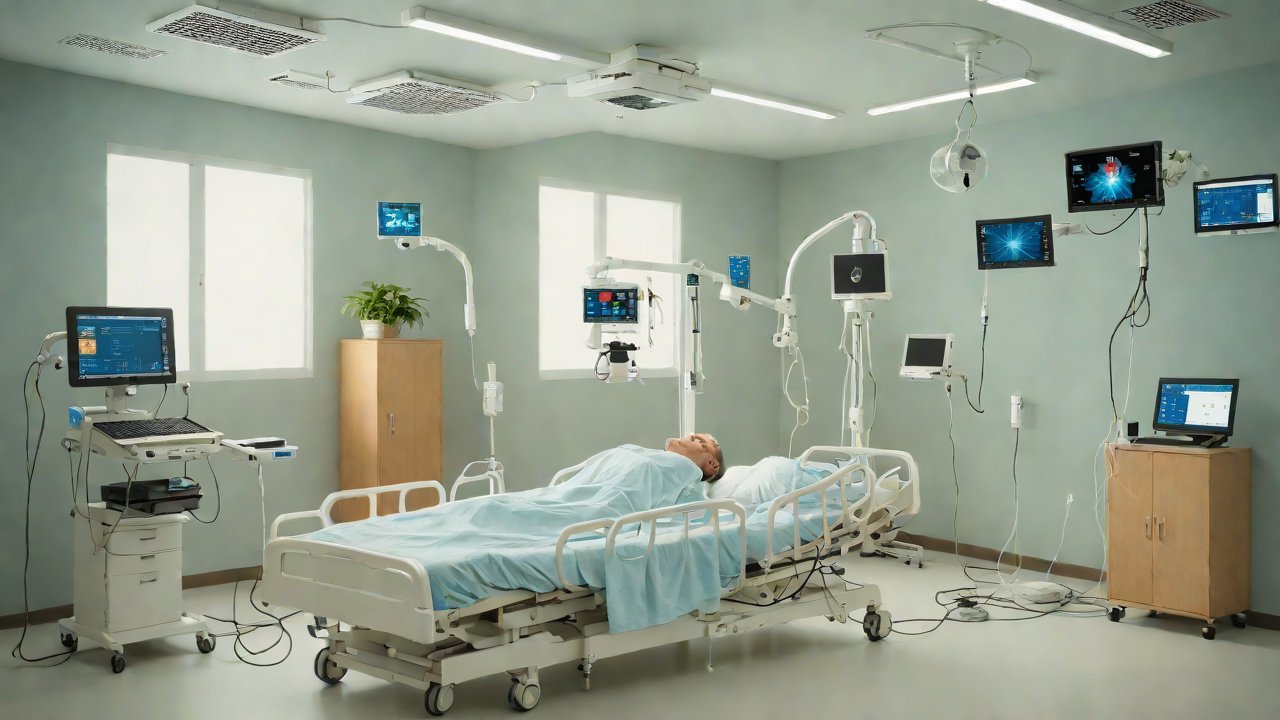
The competitive landscape is characterized by:
- Established Players: Companies like Philips and Medtronic are expanding their portfolios to include IoT monitoring solutions.
- Startups: New entrants are leveraging AI and machine learning capabilities to enhance the accuracy of wound temperature and humidity sensors.
8. Regulatory Frameworks
Regulatory frameworks are evolving to accommodate these technologies:
- FDA Clearance: The FDA has cleared various products for use in postoperative rehabilitation, including those with integrated wound temperature and humidity sensors.
- EU Regulations: Similar regulations exist in Europe, where medical devices must meet stringent standards before being approved.
9. Future Outlook
The future of postoperative rehabilitation is bright, with IoT monitoring solutions expected to play a pivotal role:
- Increased Adoption: As healthcare providers recognize the benefits of real-time data collection and personalized care, adoption rates are expected to rise.
- Advancements in Sensor Technology: Continuous advancements in sensor technology will enhance the accuracy and reliability of wound temperature and humidity sensors.
10. Conclusion
The integration of IoT monitoring solutions based on wound temperature and humidity sensors has revolutionized postoperative rehabilitation. With its potential to provide real-time data, objective metrics, and personalized care, this technology is poised to become a cornerstone of modern healthcare.
IOT Cloud Platform
IOT Cloud Platform is an IoT portal established by a Chinese IoT company, focusing on technical solutions in the fields of agricultural IoT, industrial IoT, medical IoT, security IoT, military IoT, meteorological IoT, consumer IoT, automotive IoT, commercial IoT, infrastructure IoT, smart warehousing and logistics, smart home, smart city, smart healthcare, smart lighting, etc.
The IoT Cloud Platform blog is a top IoT technology stack, providing technical knowledge on IoT, robotics, artificial intelligence (generative artificial intelligence AIGC), edge computing, AR/VR, cloud computing, quantum computing, blockchain, smart surveillance cameras, drones, RFID tags, gateways, GPS, 3D printing, 4D printing, autonomous driving, etc.
Note: This article was professionally generated with the assistance of AIGC and has been fact-checked and manually corrected by IoT expert editor IoTCloudPlatForm.