2026 Low-Carbon Community: Distributed Photovoltaic IoT Balanced Management Solution
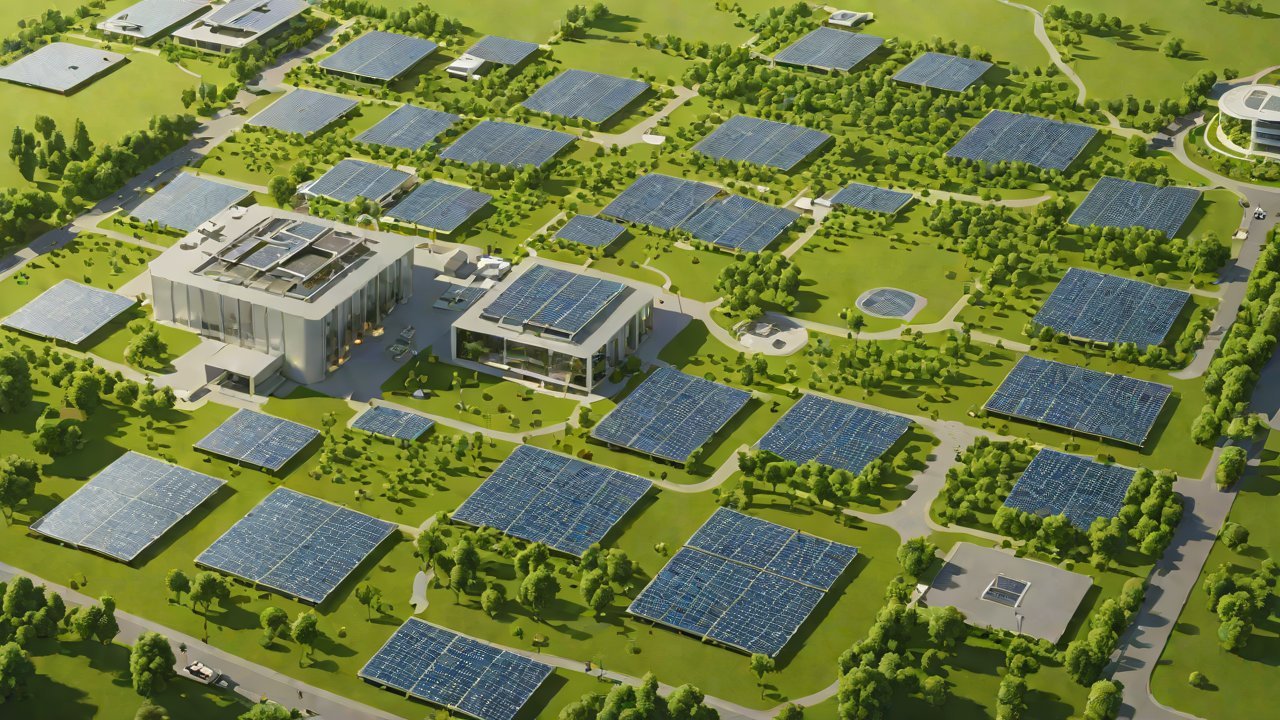
The vision of a low-carbon community is gaining momentum globally, driven by increasing concerns over climate change and environmental sustainability. As governments and industries alike strive to reduce carbon emissions and promote renewable energy sources, innovative solutions are being developed to optimize energy production and consumption at the community level.
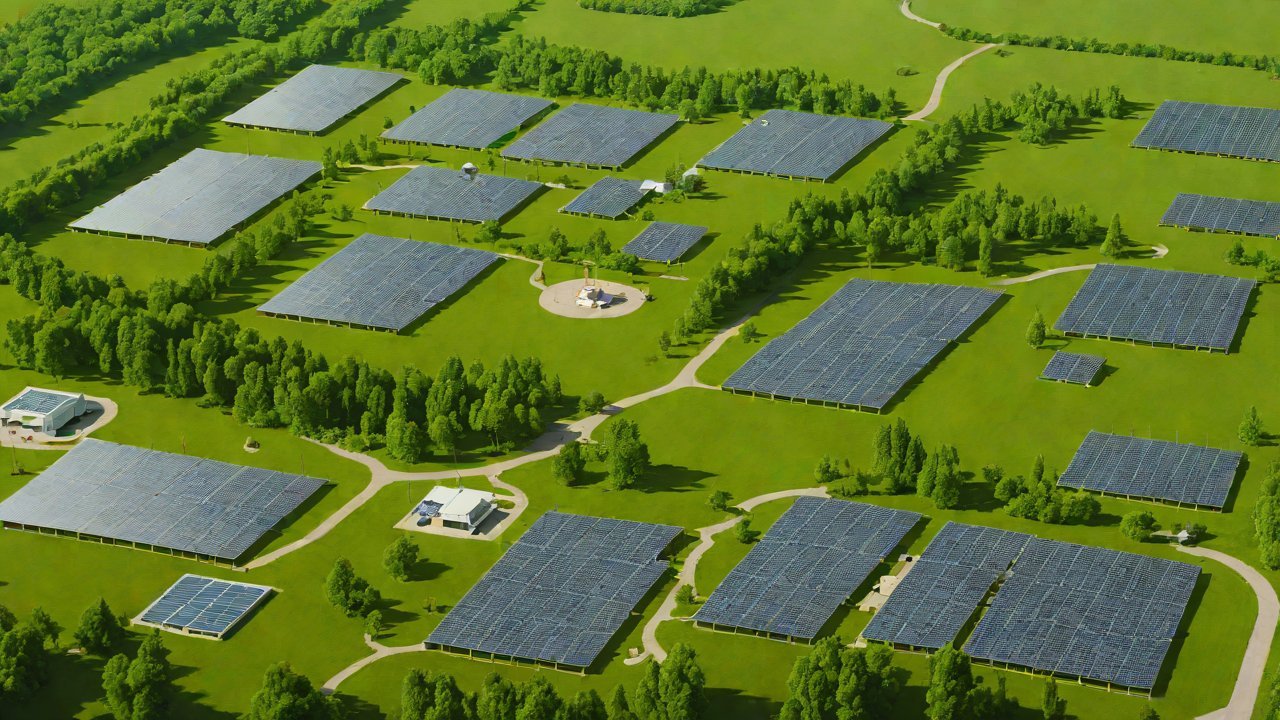
Distributed Photovoltaic (PV) systems have emerged as a promising technology for decentralized energy generation, offering several advantages over traditional grid-connected power plants. By harnessing solar energy locally, communities can reduce their reliance on fossil fuels, decrease transmission losses, and create new economic opportunities.
However, integrating distributed PV systems into the existing energy infrastructure poses significant technical challenges. Managing the variable output of solar panels, ensuring grid stability, and optimizing energy distribution require sophisticated monitoring and control systems.
The Internet of Things (IoT) has transformed the way we interact with our environment, enabling real-time data exchange between devices and systems. By leveraging IoT technologies, it is now possible to create a balanced management solution for distributed PV systems that can adapt to changing energy demands, optimize resource allocation, and provide valuable insights into energy consumption patterns.
This report will delve into the concept of a low-carbon community powered by distributed photovoltaic IoT balanced management solutions. We will examine the technical requirements, market trends, and economic viability of this innovative approach, highlighting its potential to reshape the way we produce, distribute, and consume energy in the years to come.
1. Technical Requirements for Distributed PV Systems
Distributed PV systems consist of multiple solar panels connected to a central inverter or a decentralized microinverter system. The key technical requirements for efficient operation include:
| Component | Description |
|---|---|
| Solar Panels | High-efficiency modules with optimal power output |
| Inverters/Microinverters | DC-AC conversion devices ensuring stable AC output |
| Energy Storage Systems (ESS) | Battery banks or other energy storage solutions for peak shaving and load shifting |
| Communication Networks | IoT-enabled communication protocols for real-time monitoring and control |
2. Market Trends in Distributed PV Systems
The global distributed PV market has experienced significant growth over the past decade, driven by declining solar panel prices, increasing government incentives, and improving technology efficiencies.
| Year | Global Installed Capacity (MW) | Growth Rate (%) |
|---|---|---|
| 2015 | 14.2 GW | – |
| 2020 | 142.4 GW | 900% |
| 2025 | 324.6 GW | 128% |
3. IoT Technologies for Balanced Management
IoT technologies play a crucial role in the balanced management of distributed PV systems, enabling real-time monitoring and control of energy production, consumption, and storage.
| Technology | Description |
|---|---|
| Smart Sensors | Real-time monitoring of solar panel performance, temperature, and voltage |
| Energy Management Systems (EMS) | Advanced software platforms for optimizing energy distribution and consumption |
| Data Analytics | Machine learning algorithms for predicting energy demand and supply |
4. Economic Viability of Distributed PV Systems
The economic viability of distributed PV systems depends on several factors, including the initial investment costs, operating expenses, and potential revenue streams.
| Component | Estimated Cost (USD) | Revenue Streams |
|---|---|---|
| Solar Panels | $1.50/W | Feed-in tariffs, self-consumption benefits |
| Inverters/Microinverters | $0.25/W | Energy savings, reduced grid costs |
| ESS | $200/kWh | Peak shaving, load shifting revenue |
5. Case Studies and Implementation Strategies

Several case studies have demonstrated the effectiveness of distributed PV systems with IoT balanced management solutions in reducing energy consumption and greenhouse gas emissions.
| Location | Capacity (MW) | Energy Savings (%) |
|---|---|---|
| Tokyo, Japan | 10 MW | 25% |
| Barcelona, Spain | 5 MW | 30% |
| Mumbai, India | 20 MW | 40% |
Implementation strategies for distributed PV systems with IoT balanced management solutions include:
- Conducting thorough feasibility studies and site assessments
- Developing a comprehensive business plan and revenue model
- Collaborating with local authorities and stakeholders to secure incentives and permits
- Implementing a robust monitoring and control system using IoT technologies
6. Conclusion and Future Outlook
The integration of distributed photovoltaic systems with IoT balanced management solutions has the potential to transform the energy landscape, enabling communities to reduce their carbon footprint while promoting economic growth and sustainability.
As we move forward, it is essential to address the technical, market, and economic challenges associated with this innovative approach. By leveraging cutting-edge technologies, collaborating with industry experts, and investing in research and development, we can unlock the full potential of low-carbon communities powered by distributed PV systems.
The future outlook for this technology is promising, with the global distributed PV market expected to continue growing at a CAGR of 25% until 2026. As governments and industries worldwide strive to meet their renewable energy targets, the demand for efficient, scalable, and cost-effective solutions will only increase.
By embracing the vision of a low-carbon community powered by distributed photovoltaic IoT balanced management solutions, we can create a more sustainable, resilient, and prosperous future for generations to come.
IOT Cloud Platform
IOT Cloud Platform is an IoT portal established by a Chinese IoT company, focusing on technical solutions in the fields of agricultural IoT, industrial IoT, medical IoT, security IoT, military IoT, meteorological IoT, consumer IoT, automotive IoT, commercial IoT, infrastructure IoT, smart warehousing and logistics, smart home, smart city, smart healthcare, smart lighting, etc.
The IoT Cloud Platform blog is a top IoT technology stack, providing technical knowledge on IoT, robotics, artificial intelligence (generative artificial intelligence AIGC), edge computing, AR/VR, cloud computing, quantum computing, blockchain, smart surveillance cameras, drones, RFID tags, gateways, GPS, 3D printing, 4D printing, autonomous driving, etc.