2026 Industrial Energy Saving and Emission Reduction: Energy Consumption Solution Based on Data Acquisition
Industrial energy consumption is a significant contributor to global greenhouse gas emissions, accounting for approximately 25% of total emissions. The industrial sector’s reliance on fossil fuels has become increasingly unsustainable, prompting governments and corporations to explore innovative solutions for reducing energy consumption and emissions.
1. Current Energy Consumption Patterns in the Industrial Sector
The industrial sector’s energy consumption is primarily driven by manufacturing processes, which require significant amounts of electricity and fuels to power machinery, transportation, and other equipment. According to the International Energy Agency (IEA), industrial energy demand accounts for approximately 35% of global electricity consumption.
| Sector | Energy Consumption (TWh) |
|---|---|
| Manufacturing | 12,115 |
| Mining | 1,345 |
| Construction | 2,531 |
The IEA also reports that the majority of industrial energy is consumed by developed countries, with China and the United States being the largest consumers.
2. Data Acquisition and IoT in Industrial Energy Consumption
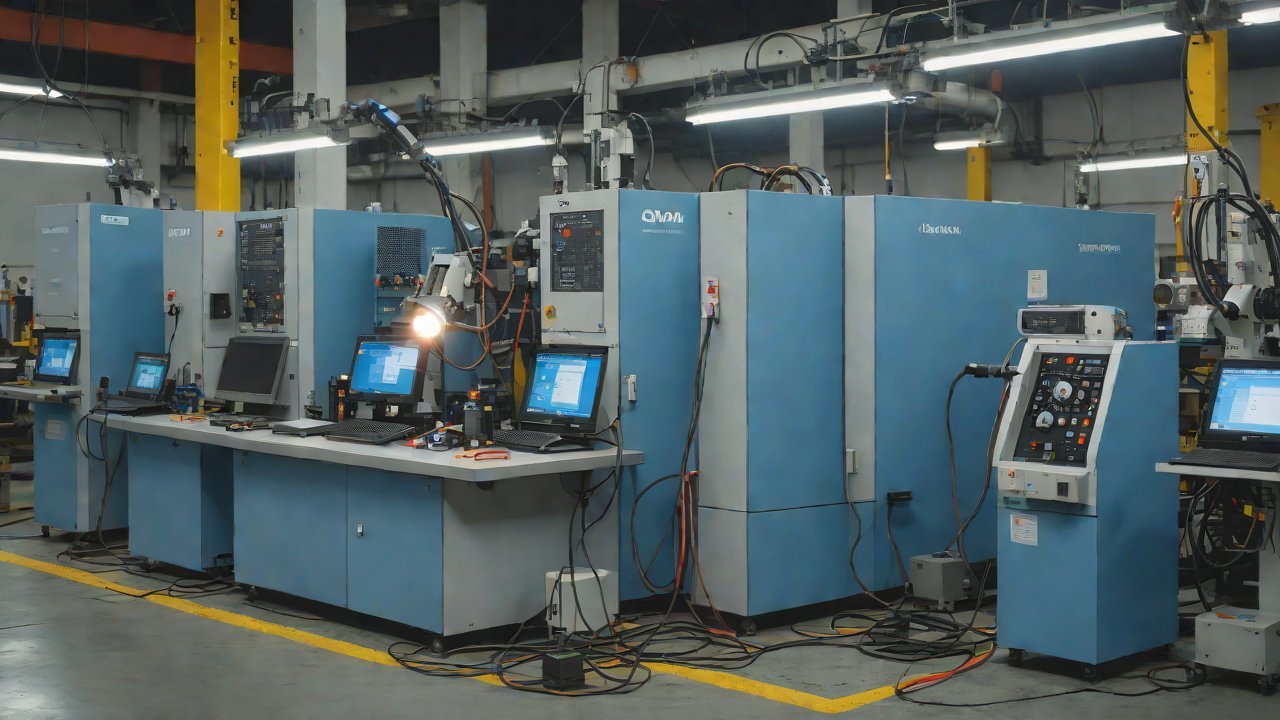
The integration of data acquisition technologies, such as sensors and IoT devices, has revolutionized the way industries approach energy consumption management. These technologies enable real-time monitoring of energy usage, allowing for more efficient optimization of processes and reduction of waste.
| Technology | Potential Energy Savings (%) |
|---|---|
| Sensor-based monitoring | 10-20% |
| Predictive maintenance | 5-15% |
| Demand response management | 5-10% |
3. Energy Efficiency Measures in the Industrial Sector
A range of energy efficiency measures can be implemented to reduce industrial energy consumption and emissions. These include:
- Implementing energy-efficient lighting and HVAC systems
- Upgrading machinery and equipment with more efficient models
- Optimizing production processes through data-driven analytics
- Promoting employee engagement and behavior change initiatives
| Measure | Potential Energy Savings (%) |
|---|---|
| LED lighting | 50-70% |
| Energy-efficient motors | 20-30% |
| Process optimization | 10-20% |
4. Renewable Energy Integration in the Industrial Sector
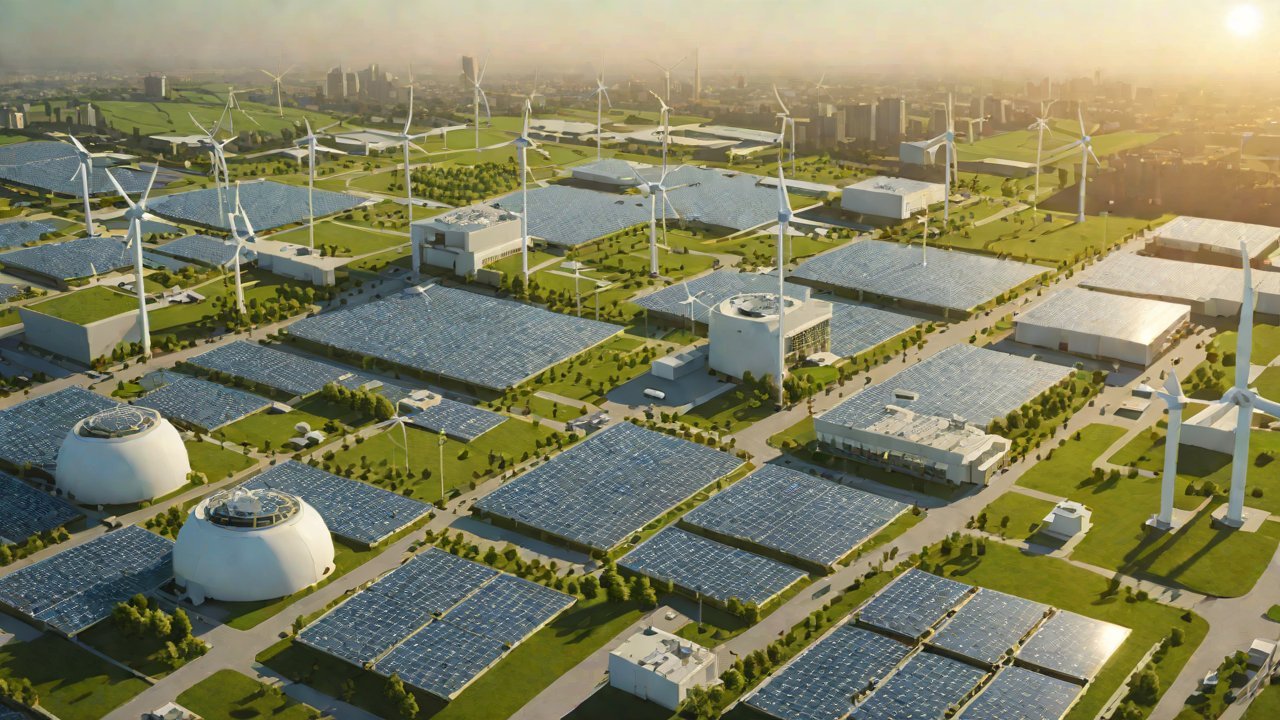
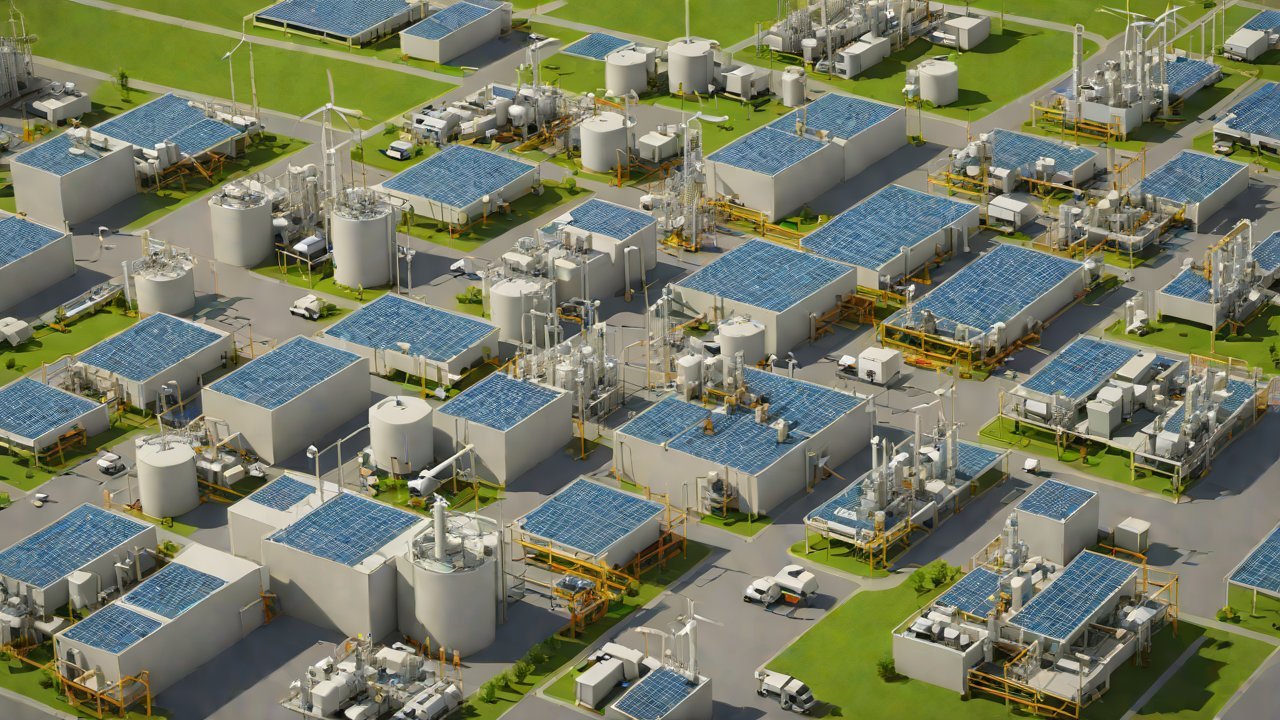
The integration of renewable energy sources, such as solar and wind power, can significantly reduce industrial energy consumption and emissions.
| Renewable Energy Source | Potential Energy Savings (%) |
|---|---|
| Solar PV | 30-50% |
| Wind Power | 20-40% |
5. Policy and Regulatory Frameworks for Industrial Energy Efficiency
Governments worldwide have implemented various policies and regulations to promote industrial energy efficiency.
| Policy/Regulation | Country | Description |
|---|---|---|
| EU ETS | European Union | Cap-and-trade system for greenhouse gas emissions |
| Chinese National Energy Administration’s (NEA) targets | China | 20% reduction in energy consumption by 2025 |
6. Case Studies: Successful Industrial Energy Efficiency Initiatives
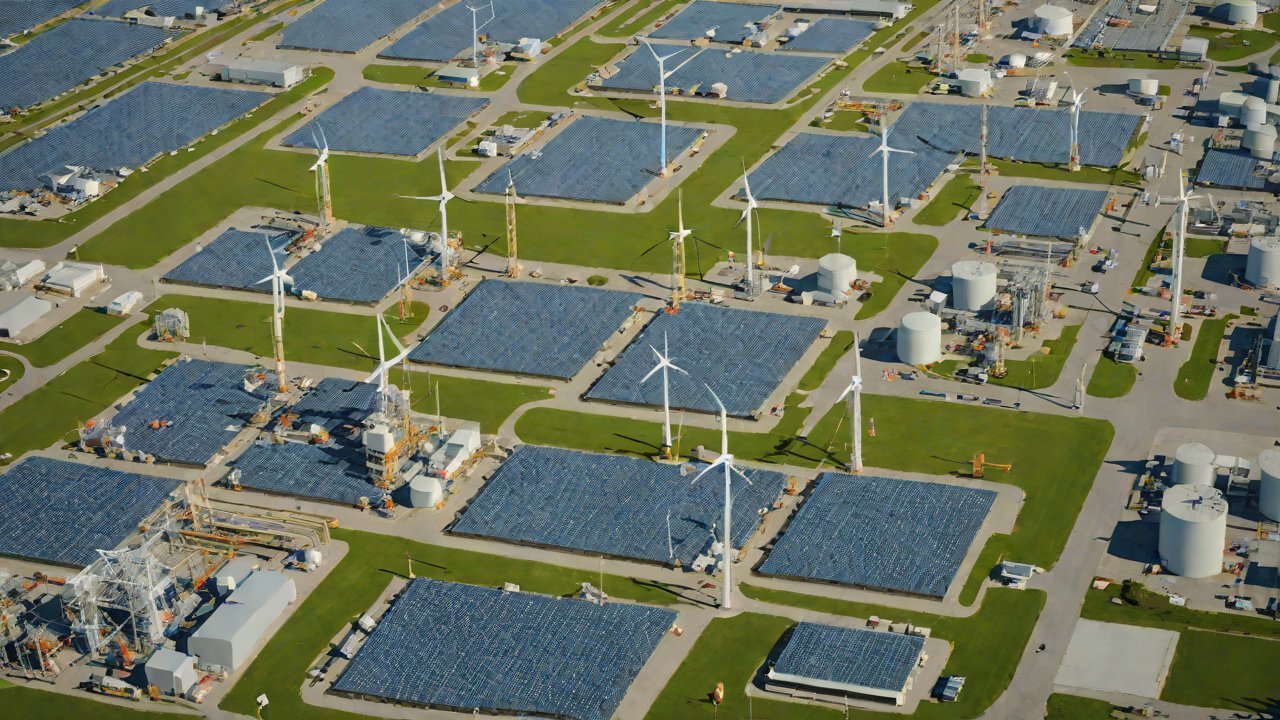
Several companies have successfully implemented industrial energy efficiency initiatives, resulting in significant reductions in energy consumption and emissions.
- Siemens: Implemented a comprehensive energy management system, reducing energy consumption by 15%
- Coca-Cola: Installed LED lighting and HVAC systems, reducing energy consumption by 30%
7. Future Outlook: Trends and Challenges
The industrial sector’s transition towards more sustainable energy consumption practices is expected to continue, with advancements in data acquisition technologies, renewable energy integration, and policy frameworks driving progress.
However, challenges such as high upfront costs, lack of awareness among stakeholders, and regulatory hurdles will need to be addressed for widespread adoption.
| Trend/Challenge | Description |
|---|---|
| Increased adoption of IoT and AI in industrial energy management | Expected growth rate: 20-30% per annum |
| Growing importance of employee engagement and behavior change initiatives | Key drivers: employee awareness, leadership commitment |
In conclusion, the industrial sector’s transition towards more sustainable energy consumption practices is a critical component of global efforts to mitigate climate change. By leveraging data acquisition technologies, renewable energy integration, and policy frameworks, industries can reduce energy consumption and emissions while improving competitiveness and profitability.
IOT Cloud Platform
IOT Cloud Platform is an IoT portal established by a Chinese IoT company, focusing on technical solutions in the fields of agricultural IoT, industrial IoT, medical IoT, security IoT, military IoT, meteorological IoT, consumer IoT, automotive IoT, commercial IoT, infrastructure IoT, smart warehousing and logistics, smart home, smart city, smart healthcare, smart lighting, etc.
The IoT Cloud Platform blog is a top IoT technology stack, providing technical knowledge on IoT, robotics, artificial intelligence (generative artificial intelligence AIGC), edge computing, AR/VR, cloud computing, quantum computing, blockchain, smart surveillance cameras, drones, RFID tags, gateways, GPS, 3D printing, 4D printing, autonomous driving, etc.