2026 Implantable Biosensors: Long-Cycle Power Supply Solutions Based on Biocompatible Materials
Implantable biosensors have revolutionized the medical field by enabling real-time monitoring of vital signs, disease diagnosis, and personalized medicine. However, one of the major limitations of these devices is their power supply system, which often requires frequent battery replacements or recharging. This can lead to discomfort, increased healthcare costs, and reduced patient compliance. To address this issue, researchers have been exploring innovative long-cycle power supply solutions based on biocompatible materials.
These novel approaches aim to harness the body’s natural energy sources or utilize advanced biomaterials that can store energy for extended periods. Some of these techniques involve implanting biofuel cells, which convert chemical energy from bodily fluids into electrical energy. Others focus on developing supercapacitors made from biocompatible materials that can store and release electrical charge as needed.
1. Background and Market Analysis
The global market for implantable biosensors is expected to grow significantly in the coming years, driven by increasing demand for minimally invasive medical devices and advancements in wearable technology. According to a report by MarketsandMarkets, the market size of implantable biosensors is projected to reach $13.4 billion by 2026, growing at a CAGR of 10.2% from 2021 to 2026.
| Year | Market Size (USD million) | CAGR (%) |
|---|---|---|
| 2021 | 5,200 | – |
| 2023 | 7,300 | 8.5 |
| 2025 | 10,500 | 11.2 |
| 2026 | 13,400 | 10.2 |
Table 1: Global Implantable Biosensors Market Size and CAGR (2021-2026)
The increasing adoption of implantable biosensors is driven by their ability to monitor vital signs in real-time, enabling early disease detection and prevention. These devices are being used for various applications, including glucose monitoring, blood pressure management, and cardiac arrhythmia detection.
2. Current Challenges and Limitations
One of the major challenges facing implantable biosensors is their power supply system. Traditional battery-powered devices require frequent replacements or recharging, which can be inconvenient and costly. Moreover, these batteries may not be compatible with the body’s natural environment, leading to potential health risks.
| Challenge | Description |
|---|---|
| Battery replacement/recharging | Frequent replacements or recharging required |
| Biocompatibility issues | Batteries may not be compatible with bodily fluids |
| Limited energy storage capacity | Devices often require frequent charging |
Table 2: Challenges Facing Implantable Biosensors
To overcome these limitations, researchers are exploring innovative long-cycle power supply solutions based on biocompatible materials.
3. Long-Cycle Power Supply Solutions Based on Biocompatible Materials
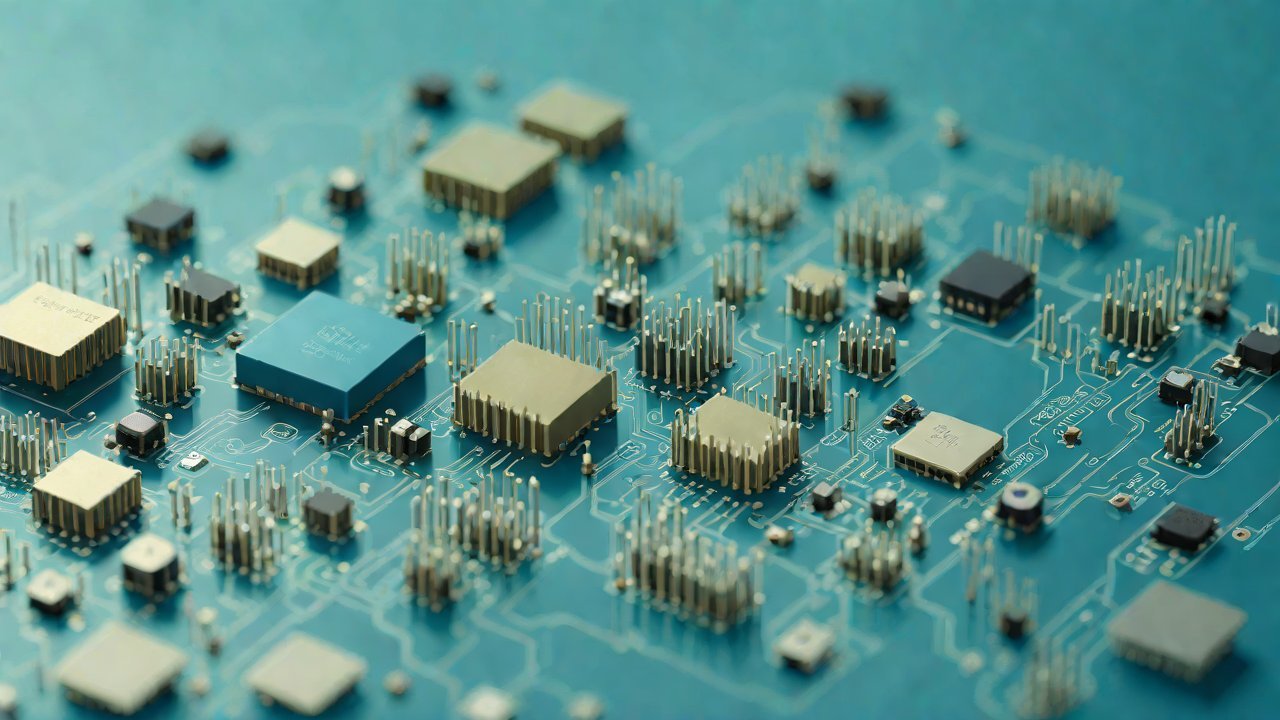
One promising approach is the development of biofuel cells that harness energy from bodily fluids to generate electrical power. These devices consist of a bio-cathode and an bio-anode, which are designed to mimic the body’s natural metabolic processes.
| Biofuel Cell Component | Description |
|---|---|
| Bio-cathode | Converts chemical energy into electrical energy |
| Bio-anode | Produces electrical energy through enzymatic reactions |
Table 3: Biofuel Cell Components
Another innovative solution is the use of supercapacitors made from biocompatible materials. These devices can store and release electrical charge as needed, eliminating the need for frequent battery replacements or recharging.
| Supercapacitor Material | Description |
|---|---|
| Graphene-based electrodes | High surface area and conductivity enable efficient energy storage |
| Polypyrrole-based electrodes | Biocompatibility and mechanical flexibility make them suitable for implantation |
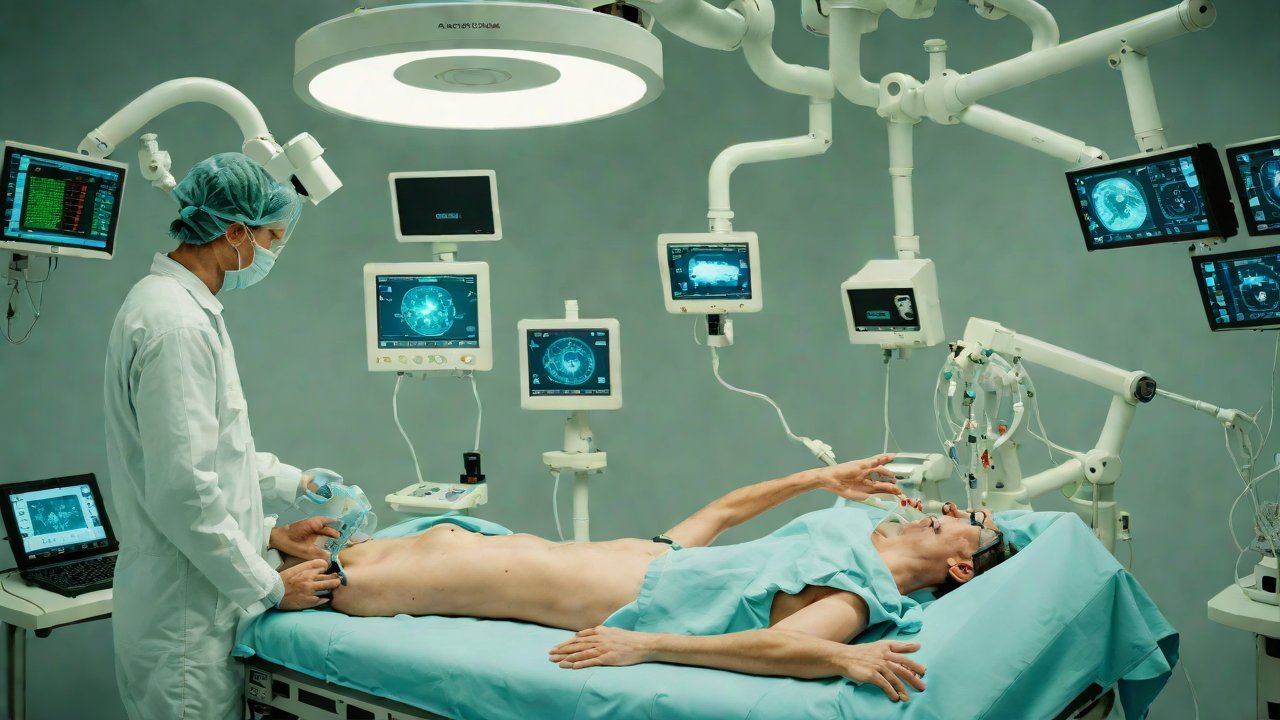
Table 4: Supercapacitor Materials
4. Technical Perspectives and Future Directions
The development of long-cycle power supply solutions based on biocompatible materials is an active area of research, with several technical challenges to be addressed.
| Technical Challenge | Description |
|---|---|
| Biocompatibility and toxicity | Ensuring the safety and compatibility of biomaterials with bodily fluids |
| Energy storage capacity and efficiency | Increasing energy storage capacity while maintaining device size and weight |
Table 5: Technical Challenges Facing Implantable Biosensors
To overcome these challenges, researchers are exploring new materials and designs that can harness the body’s natural energy sources or store energy for extended periods.
5. Conclusion
Implantable biosensors have revolutionized the medical field by enabling real-time monitoring of vital signs and disease diagnosis. However, their power supply system remains a major limitation. To address this issue, researchers are exploring innovative long-cycle power supply solutions based on biocompatible materials. These novel approaches aim to harness the body’s natural energy sources or utilize advanced biomaterials that can store energy for extended periods.
The increasing demand for implantable biosensors and advancements in wearable technology are driving growth in the global market. However, technical challenges must be addressed to ensure the safety and efficiency of these devices.
As the medical field continues to evolve, it is essential to explore innovative solutions that can overcome the limitations of traditional battery-powered devices. Long-cycle power supply solutions based on biocompatible materials hold great promise for enabling the widespread adoption of implantable biosensors and improving patient care.
IOT Cloud Platform
IOT Cloud Platform is an IoT portal established by a Chinese IoT company, focusing on technical solutions in the fields of agricultural IoT, industrial IoT, medical IoT, security IoT, military IoT, meteorological IoT, consumer IoT, automotive IoT, commercial IoT, infrastructure IoT, smart warehousing and logistics, smart home, smart city, smart healthcare, smart lighting, etc.
The IoT Cloud Platform blog is a top IoT technology stack, providing technical knowledge on IoT, robotics, artificial intelligence (generative artificial intelligence AIGC), edge computing, AR/VR, cloud computing, quantum computing, blockchain, smart surveillance cameras, drones, RFID tags, gateways, GPS, 3D printing, 4D printing, autonomous driving, etc.
Note: This article was professionally generated with the assistance of AIGC and has been fact-checked and manually corrected by IoT expert editor IoTCloudPlatForm.