2026 Hydrogen Energy Supply Chain: IoT Monitoring of Hydrogen Production, Storage, Transportation, and Refueling
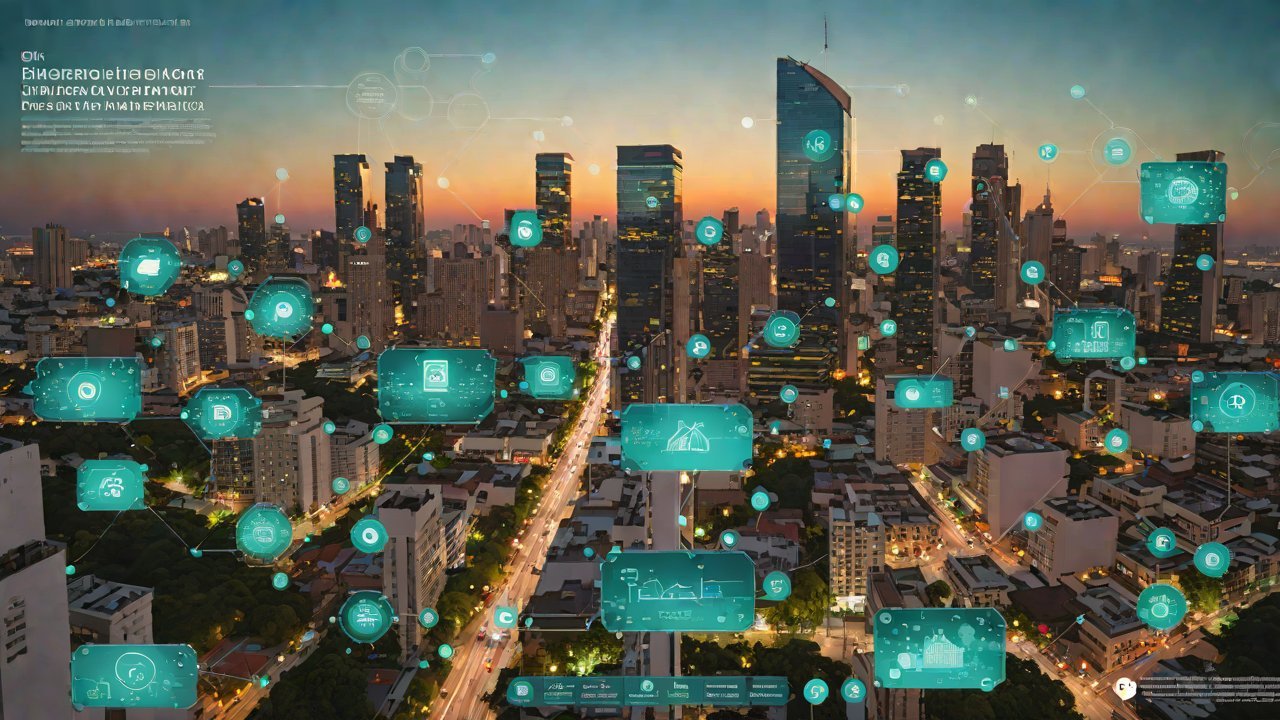
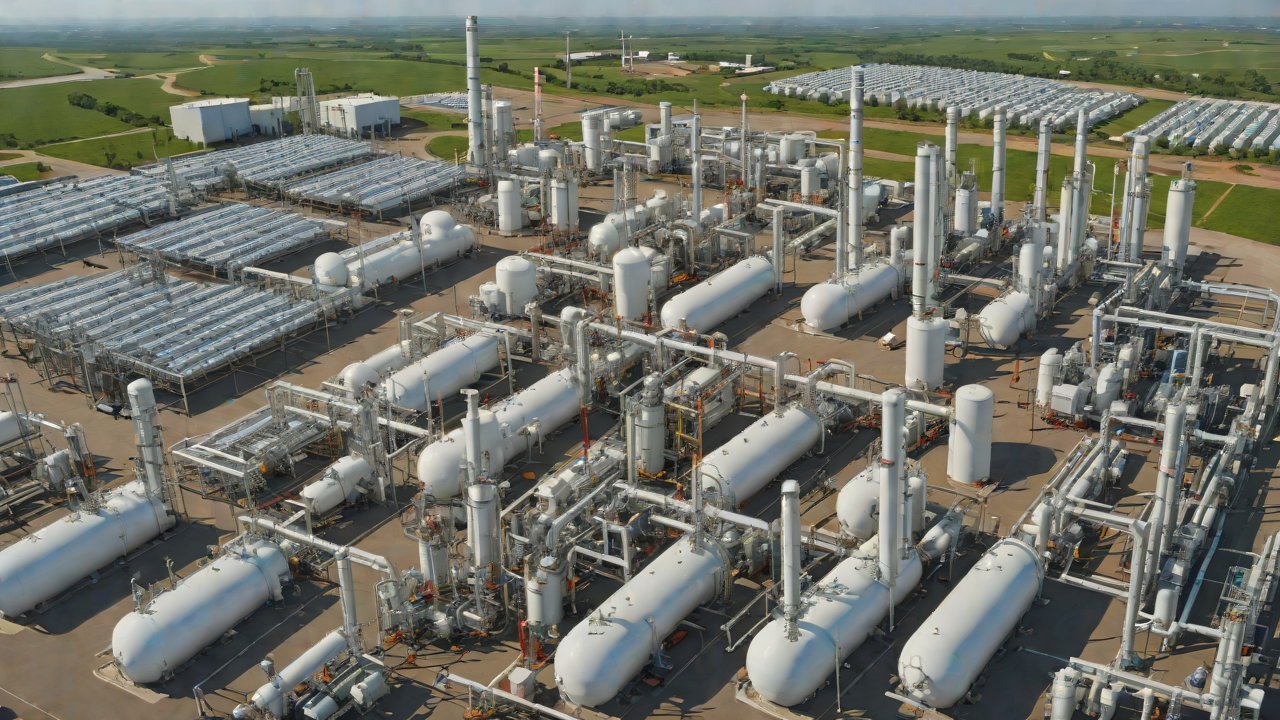
As the world transitions towards a cleaner, more sustainable energy landscape, hydrogen is emerging as a promising fuel source for transportation, power generation, and industrial processes. The concept of an integrated hydrogen energy supply chain has gained significant traction in recent years, with various stakeholders exploring innovative ways to produce, store, transport, and utilize this versatile gas. A key enabler of this transformation is the Internet of Things (IoT) technology, which offers real-time monitoring and management capabilities for optimizing the entire value chain. This report delves into the current state of hydrogen production, storage, transportation, and refueling, highlighting the role of IoT in enhancing efficiency, reducing costs, and ensuring a reliable supply.
1. Hydrogen Production: An Overview
Hydrogen can be produced through various methods, including steam methane reforming (SMR), electrolysis (EL), coal gasification (CG), and biomass gasification (BG). According to the International Energy Agency (IEA), SMR accounted for approximately 48% of global hydrogen production in 2020, followed by EL with around 20%. The remaining share is divided among CG and BG.
| Method | 2020 Production Share (%) |
|---|---|
| Steam Methane Reforming (SMR) | 48.2 |
| Electrolysis (EL) | 20.5 |
| Coal Gasification (CG) | 15.1 |
| Biomass Gasification (BG) | 16.2 |
2. IoT Monitoring in Hydrogen Production
IoT technology can significantly enhance the efficiency and sustainability of hydrogen production by optimizing operating conditions, reducing energy consumption, and minimizing emissions. Advanced sensors and data analytics platforms enable real-time monitoring of process variables, such as temperature, pressure, and flow rates.
| Benefits | Description |
|---|---|
| Energy Efficiency | Optimized operating conditions reduce energy consumption and lower costs |
| Emissions Reduction | Real-time monitoring enables early detection and mitigation of potential emissions sources |
| Improved Reliability | Predictive maintenance schedules extend equipment lifespan and minimize downtime |
3. Hydrogen Storage: Challenges and Opportunities
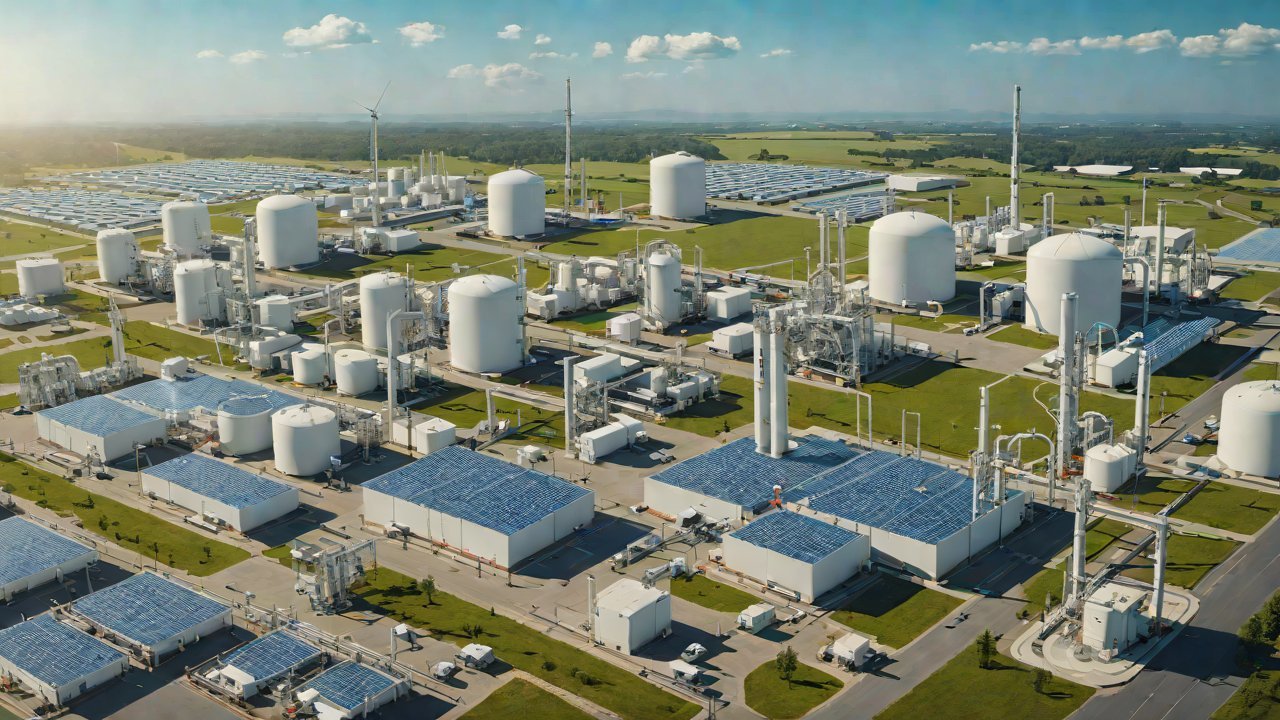
Hydrogen storage remains a significant challenge due to the low energy density and high pressure requirements for storing large quantities. However, advancements in materials science and IoT-enabled monitoring systems are helping to address these issues.
| Storage Methods | Characteristics |
|---|---|
| Compressed Hydrogen (CH) | High pressure required (350-700 bar), limited scalability |
| Liquid Hydrogen (LH2) | Low energy density, requires complex storage and handling infrastructure |
| Solid-State Hydrogen (SSH) | Promising for long-term storage, but still in the development phase |
4. IoT Monitoring of Hydrogen Storage
IoT sensors and data analytics platforms can help optimize hydrogen storage by monitoring temperature, pressure, and inventory levels in real-time.
| Benefits | Description |
|---|---|
| Reduced Energy Consumption | Optimized storage conditions minimize energy losses and costs |
| Improved Inventory Management | Real-time monitoring enables accurate tracking of stored quantities |
5. Hydrogen Transportation: Challenges and Opportunities
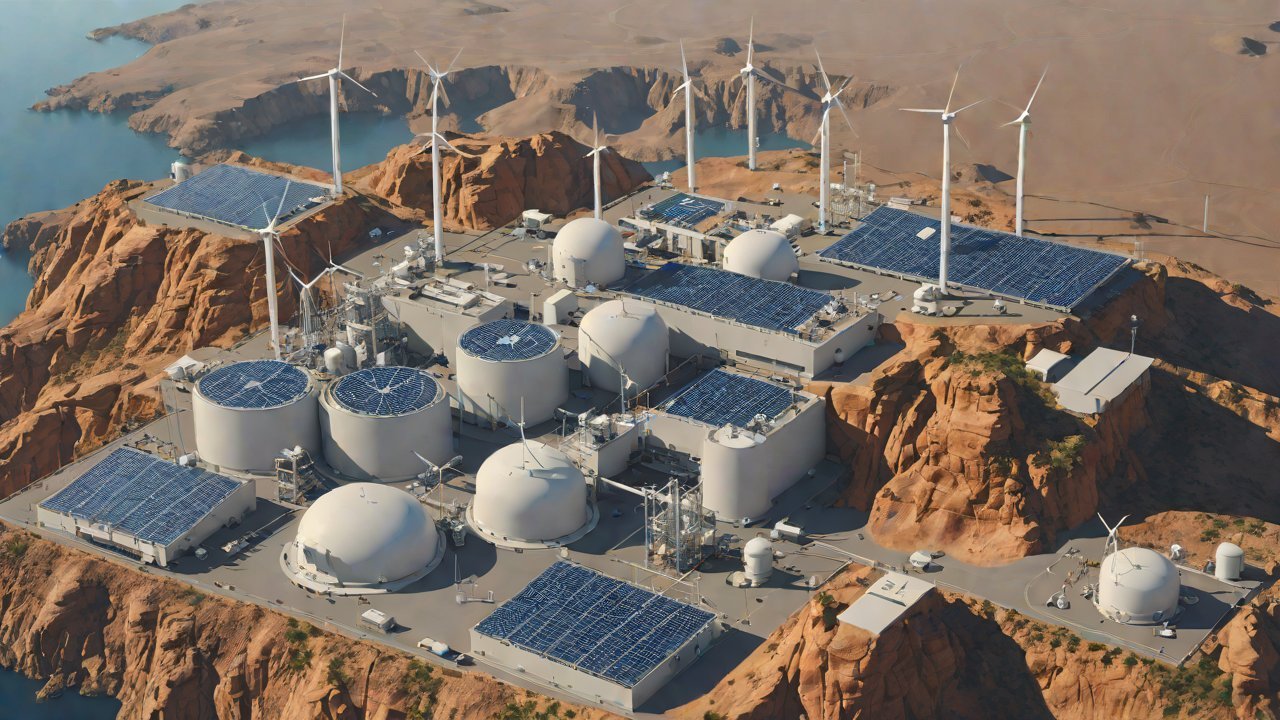
Hydrogen transportation is a complex process due to the need for specialized infrastructure, high pressure requirements, and potential safety risks.
| Challenges | Description |
|---|---|
| Infrastructure Development | Limited availability of hydrogen refueling stations and pipelines |
| Safety Risks | High-pressure storage and transportation pose significant safety concerns |
6. IoT Monitoring of Hydrogen Transportation
IoT sensors and data analytics platforms can help optimize hydrogen transportation by monitoring temperature, pressure, and vehicle performance in real-time.
| Benefits | Description |
|---|---|
| Improved Fuel Efficiency | Optimized operating conditions reduce energy consumption and lower costs |
| Enhanced Safety | Real-time monitoring enables early detection of potential safety risks |
7. Refueling Infrastructure: A Critical Component
The development of a comprehensive refueling infrastructure is essential for widespread adoption of hydrogen fuel cell electric vehicles (FCEVs).
| Status | Description |
|---|---|
| Number of Stations | Over 20,000 stations planned or under construction globally |
| Location | Primarily concentrated in developed countries, with emerging markets also investing heavily |
8. IoT Monitoring of Refueling Infrastructure
IoT sensors and data analytics platforms can help optimize refueling operations by monitoring fueling rates, inventory levels, and customer behavior in real-time.
| Benefits | Description |
|---|---|
| Reduced Energy Consumption | Optimized fueling conditions minimize energy losses and costs |
| Improved Customer Experience | Real-time monitoring enables personalized services and enhanced user engagement |
9. Conclusion
The integration of IoT technology into the hydrogen energy supply chain offers significant opportunities for optimizing production, storage, transportation, and refueling operations. By leveraging real-time monitoring and data analytics capabilities, stakeholders can reduce energy consumption, minimize emissions, and improve efficiency across the entire value chain.
| Recommendations | Description |
|---|---|
| Invest in IoT Infrastructure | Develop robust IoT networks and sensor systems to monitor and manage hydrogen production, storage, transportation, and refueling operations |
| Foster Collaboration | Encourage partnerships between industry stakeholders, governments, and research institutions to accelerate innovation and deployment of IoT-enabled solutions |
By embracing the potential of IoT technology, we can create a more sustainable, efficient, and reliable hydrogen energy supply chain, ultimately driving the widespread adoption of FCEVs and contributing to a cleaner, greener future for generations to come.
IOT Cloud Platform
IOT Cloud Platform is an IoT portal established by a Chinese IoT company, focusing on technical solutions in the fields of agricultural IoT, industrial IoT, medical IoT, security IoT, military IoT, meteorological IoT, consumer IoT, automotive IoT, commercial IoT, infrastructure IoT, smart warehousing and logistics, smart home, smart city, smart healthcare, smart lighting, etc.
The IoT Cloud Platform blog is a top IoT technology stack, providing technical knowledge on IoT, robotics, artificial intelligence (generative artificial intelligence AIGC), edge computing, AR/VR, cloud computing, quantum computing, blockchain, smart surveillance cameras, drones, RFID tags, gateways, GPS, 3D printing, 4D printing, autonomous driving, etc.