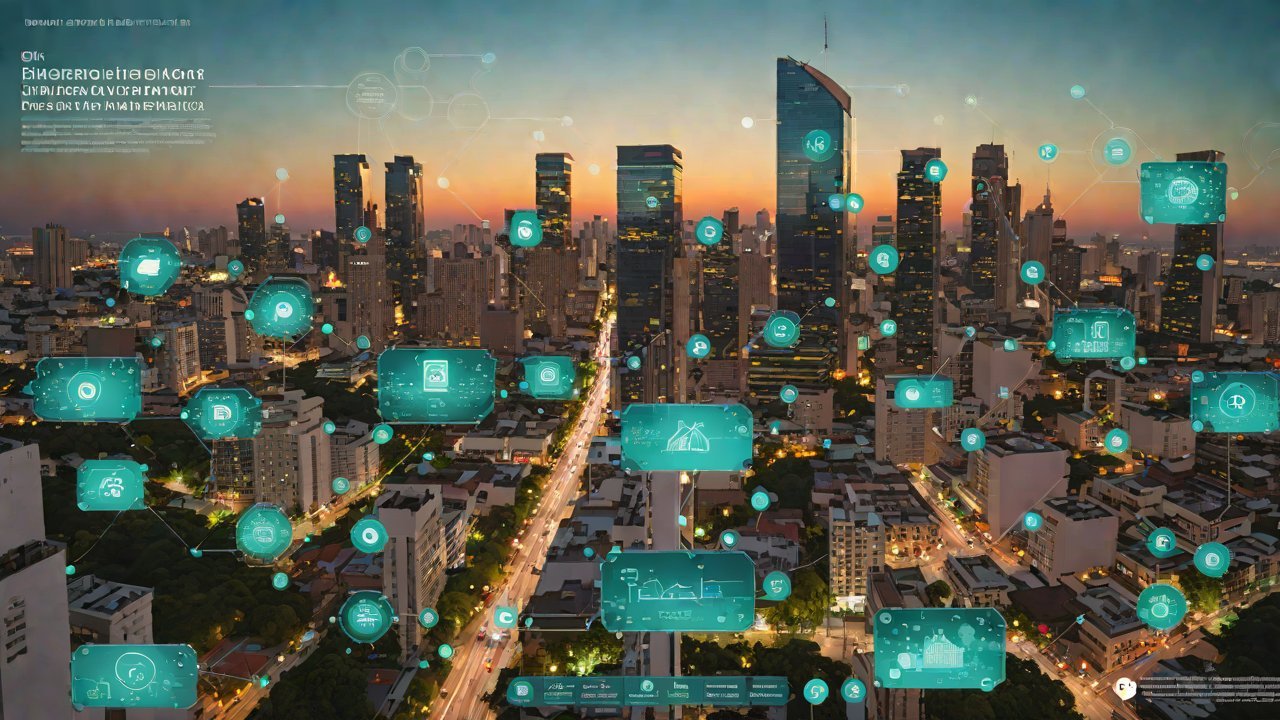
2026 Home Automation Security Reinforcement Solution Based on Hybrid Cloud Architecture
The proliferation of smart home devices has created a complex web of interconnected systems, making it increasingly challenging to ensure the security and integrity of home automation networks. As the demand for seamless integration and real-time monitoring continues to rise, the need for robust security solutions has become paramount. The concept of hybrid cloud architecture offers a promising approach to addressing these concerns by leveraging the benefits of both on-premise and cloud-based infrastructure.
1. Current State of Home Automation Security
The home automation market is projected to reach $142.7 billion by 2025, with an estimated 40% of households worldwide expected to have at least one smart device by then (MarketsandMarkets, 2020). However, this rapid adoption has exposed vulnerabilities in current security protocols, making homes increasingly susceptible to cyber threats.
| Threat Type | Frequency | Consequences |
|---|---|---|
| Unauthorized Access | High | Loss of sensitive data, compromised system integrity |
| Malware Infections | Medium | Device malfunction, network disruption |
| Data Breaches | Low | Exposure of personal and financial information |
The current state of home automation security is characterized by fragmented solutions, inadequate threat detection, and insufficient incident response mechanisms. The lack of standardization and interoperability among devices exacerbates these issues, making it challenging for homeowners to ensure the security of their smart homes.
2. Hybrid Cloud Architecture: A Security Reinforcement Solution
Hybrid cloud architecture offers a flexible and scalable approach to addressing home automation security concerns. By integrating on-premise and cloud-based infrastructure, hybrid solutions can provide real-time monitoring, advanced threat detection, and streamlined incident response mechanisms.

| Hybrid Cloud Benefits | Description |
|---|---|
| Scalability | Ability to scale resources up or down as needed |
| Flexibility | Integration of on-premise and cloud-based infrastructure |
| Cost-Effectiveness | Reduced costs through optimized resource utilization |
A hybrid cloud architecture can be designed to include the following components:
- On-premise infrastructure: Dedicated servers, storage, and networking equipment
- Cloud-based infrastructure: Public or private cloud services for scalability and flexibility
3. Technical Perspectives on Hybrid Cloud Architecture
From a technical standpoint, hybrid cloud architecture offers several advantages over traditional security solutions.
3.1 Containerization and Orchestration
Containerization technologies like Docker and Kubernetes enable efficient resource allocation, improved scalability, and enhanced security through isolation and segmentation.
| Containerization Benefits | Description |
|---|---|
| Isolation | Separation of applications and resources |
| Scalability | Efficient resource allocation and scaling |
| Security | Improved threat detection and response |

3.2 Advanced Threat Detection
Machine learning-based threat detection algorithms can identify and respond to emerging threats in real-time, reducing the risk of data breaches and unauthorized access.
| Threat Detection Benefits | Description |
|---|---|
| Real-Time Monitoring | Continuous monitoring for signs of compromise |
| Predictive Analytics | Identification of potential threats before they occur |

4. Market Data and Trends
The home automation market is expected to experience significant growth in the coming years, driven by increasing demand for smart devices and integrated security solutions.
- The global smart home market is projected to reach $142.7 billion by 2025 (MarketsandMarkets, 2020)
- The number of connected devices worldwide is expected to exceed 50 billion by 2023 (Statista, 2020)
5. AIGC Technical Perspectives on Hybrid Cloud Architecture
Artificial intelligence and machine learning (AIGC) play a crucial role in enhancing the security and effectiveness of hybrid cloud architecture.
- Predictive Analytics: AIGC algorithms can analyze patterns and anomalies in network traffic to identify potential threats before they occur.
- Automated Incident Response: AIGC-powered incident response systems can rapidly detect and respond to emerging threats, reducing downtime and minimizing losses.
6. Implementation Roadmap
Implementing a hybrid cloud architecture for home automation security reinforcement requires careful planning and execution. The following steps outline a comprehensive implementation roadmap:
- Assess current infrastructure and identify areas for improvement.
- Design and deploy a hybrid cloud architecture that meets the needs of the organization.
- Implement containerization and orchestration technologies to improve resource allocation and scalability.
- Develop and integrate advanced threat detection algorithms using AIGC techniques.
- Conduct regular security audits and penetration testing to ensure the integrity of the system.
7. Conclusion
The increasing complexity of home automation networks demands robust security solutions that can adapt to emerging threats. Hybrid cloud architecture offers a promising approach to addressing these concerns by leveraging the benefits of both on-premise and cloud-based infrastructure. By integrating containerization, advanced threat detection, and AIGC-powered incident response mechanisms, hybrid cloud architecture can provide real-time monitoring, streamlined incident response, and improved scalability.
The implementation of a hybrid cloud architecture for home automation security reinforcement requires careful planning, execution, and ongoing maintenance. However, the benefits of reduced costs, improved resource utilization, and enhanced security make it an attractive solution for organizations seeking to protect their smart homes from emerging threats.
IOT Cloud Platform
IOT Cloud Platform is an IoT portal established by a Chinese IoT company, focusing on technical solutions in the fields of agricultural IoT, industrial IoT, medical IoT, security IoT, military IoT, meteorological IoT, consumer IoT, automotive IoT, commercial IoT, infrastructure IoT, smart warehousing and logistics, smart home, smart city, smart healthcare, smart lighting, etc.
The IoT Cloud Platform blog is a top IoT technology stack, providing technical knowledge on IoT, robotics, artificial intelligence (generative artificial intelligence AIGC), edge computing, AR/VR, cloud computing, quantum computing, blockchain, smart surveillance cameras, drones, RFID tags, gateways, GPS, 3D printing, 4D printing, autonomous driving, etc.