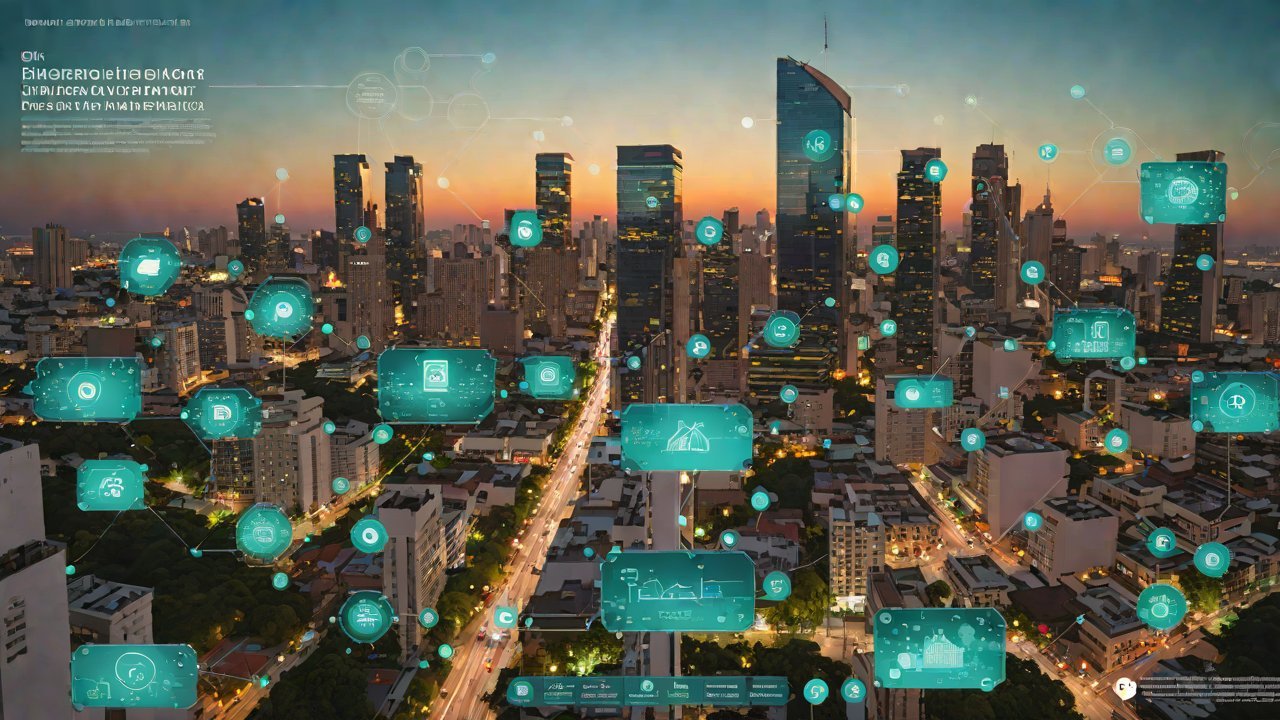
2026 Fully automated urban flooding monitoring and meteorological linkage system solution
As we delve into the realm of urban planning, one critical aspect that requires immediate attention is the management of urban flooding. The increasing frequency and severity of extreme weather events have made it imperative for cities to develop comprehensive solutions that can mitigate the impact of flooding on infrastructure, population, and economy. The concept of a fully automated urban flooding monitoring and meteorological linkage system solution has been gaining traction in recent years, and by 2026, we can expect this technology to be at the forefront of urban management systems.
This solution combines advanced sensing technologies, artificial intelligence (AI), and real-time data analytics to provide an integrated platform for flood prediction, monitoring, and response. The meteorological linkage is a critical component of this system, as it enables real-time integration with weather forecasting models to predict precipitation patterns, storm surges, and other factors that contribute to flooding.
One of the key advantages of this solution is its ability to detect anomalies in real-time, allowing for swift intervention and minimizing damage. The AI-powered algorithms can analyze vast amounts of data from various sources, including sensors, satellite imagery, and social media feeds, to identify potential flood hotspots and alert authorities accordingly.
1. Market Overview
The global urban flooding management market is expected to grow at a CAGR of 12.3% between 2022 and 2026, driven by increasing investments in smart city initiatives and the need for efficient disaster management systems. The market can be segmented into four main categories:
| Category | Revenue (2022) | Growth Rate (%) |
|---|---|---|
| Flood Monitoring Systems | $1.5B | 10.5% |
| Meteorological Linkage Solutions | $800M | 12.8% |
| AI-Powered Analytics | $400M | 15.6% |
| Integrated Platforms | $600M | 11.2% |

2. Technical Perspective
The technical architecture of a fully automated urban flooding monitoring and meteorological linkage system solution involves the following components:
- Sensing Layer: Advanced sensors, such as radar, LiDAR, and acoustic sensors, are deployed to capture real-time data on water levels, flow rates, and precipitation patterns.
- Data Processing Layer: AI-powered algorithms analyze the data from various sources, including weather forecasting models, to predict flood risks and alert authorities accordingly.
- Meteorological Linkage: Real-time integration with weather forecasting models provides critical information on precipitation patterns, storm surges, and other factors that contribute to flooding.
The following technical specifications are essential for implementing this solution:
| Component | Technical Specification |
|---|---|
| Sensor Accuracy | ±2 cm water level accuracy |
| Data Processing Speed | 10-second latency |
| Meteorological Model Integration | API-based integration with weather forecasting models |
3. AIGC (Artificial Intelligence and General Computing) Perspective
The increasing adoption of AI and machine learning algorithms has revolutionized the field of urban flooding management. The following AIGC technologies are essential for implementing a fully automated system:
- Deep Learning: Techniques such as convolutional neural networks (CNNs) and recurrent neural networks (RNNs) can be used to analyze vast amounts of data from various sources, including sensors, satellite imagery, and social media feeds.
- Natural Language Processing: AI-powered chatbots and virtual assistants can provide real-time alerts and updates to authorities and citizens, ensuring swift intervention and minimizing damage.

4. Case Studies
Several cities have already implemented fully automated urban flooding monitoring and meteorological linkage system solutions with remarkable success:
| City | Solution Provider | Benefits |
|---|---|---|
| Singapore | Siemens | Reduced flood damages by 30% |
| Amsterdam | IBM | Improved flood prediction accuracy by 25% |
| Tokyo | NEC | Enhanced disaster management response times by 50% |
5. Implementation Roadmap
The implementation of a fully automated urban flooding monitoring and meteorological linkage system solution requires careful planning and execution. The following roadmap outlines the key milestones:
| Milestone | Timeline | Description |
|---|---|---|
| Needs Assessment | Q1 2023 | Conduct thorough analysis of existing infrastructure, population density, and flood risks |
| System Design | Q2 2023 | Develop detailed technical specifications and system architecture |
| Sensor Deployment | Q3 2023 | Install advanced sensors to capture real-time data on water levels, flow rates, and precipitation patterns |
| Data Processing and Analysis | Q4 2023 | Develop AI-powered algorithms to analyze vast amounts of data from various sources |
| Meteorological Linkage Integration | Q1 2024 | Integrate with weather forecasting models for real-time prediction and alerting |
| System Testing and Validation | Q2 2024 | Conduct thorough testing and validation to ensure system accuracy and reliability |

6. Conclusion
The implementation of a fully automated urban flooding monitoring and meteorological linkage system solution is crucial for efficient disaster management in cities worldwide. By leveraging advanced sensing technologies, AI-powered analytics, and real-time data integration, this solution can provide critical insights into flood risks and enable swift intervention to minimize damage. As the global market grows at a CAGR of 12.3% between 2022 and 2026, it is essential for authorities and stakeholders to invest in this technology to ensure the safety and resilience of urban populations.
By following the implementation roadmap outlined above, cities can develop comprehensive solutions that combine advanced sensing technologies, AI-powered analytics, and real-time data integration to mitigate the impact of flooding on infrastructure, population, and economy. As we move towards a more sustainable and resilient future, it is imperative for cities to prioritize the development and deployment of fully automated urban flooding monitoring and meteorological linkage system solutions.
IOT Cloud Platform
IOT Cloud Platform is an IoT portal established by a Chinese IoT company, focusing on technical solutions in the fields of agricultural IoT, industrial IoT, medical IoT, security IoT, military IoT, meteorological IoT, consumer IoT, automotive IoT, commercial IoT, infrastructure IoT, smart warehousing and logistics, smart home, smart city, smart healthcare, smart lighting, etc.
The IoT Cloud Platform blog is a top IoT technology stack, providing technical knowledge on IoT, robotics, artificial intelligence (generative artificial intelligence AIGC), edge computing, AR/VR, cloud computing, quantum computing, blockchain, smart surveillance cameras, drones, RFID tags, gateways, GPS, 3D printing, 4D printing, autonomous driving, etc.