2026 Field Cultivation: Unmanned Agricultural Machinery Scheduling Solution based on BeiDou Positioning
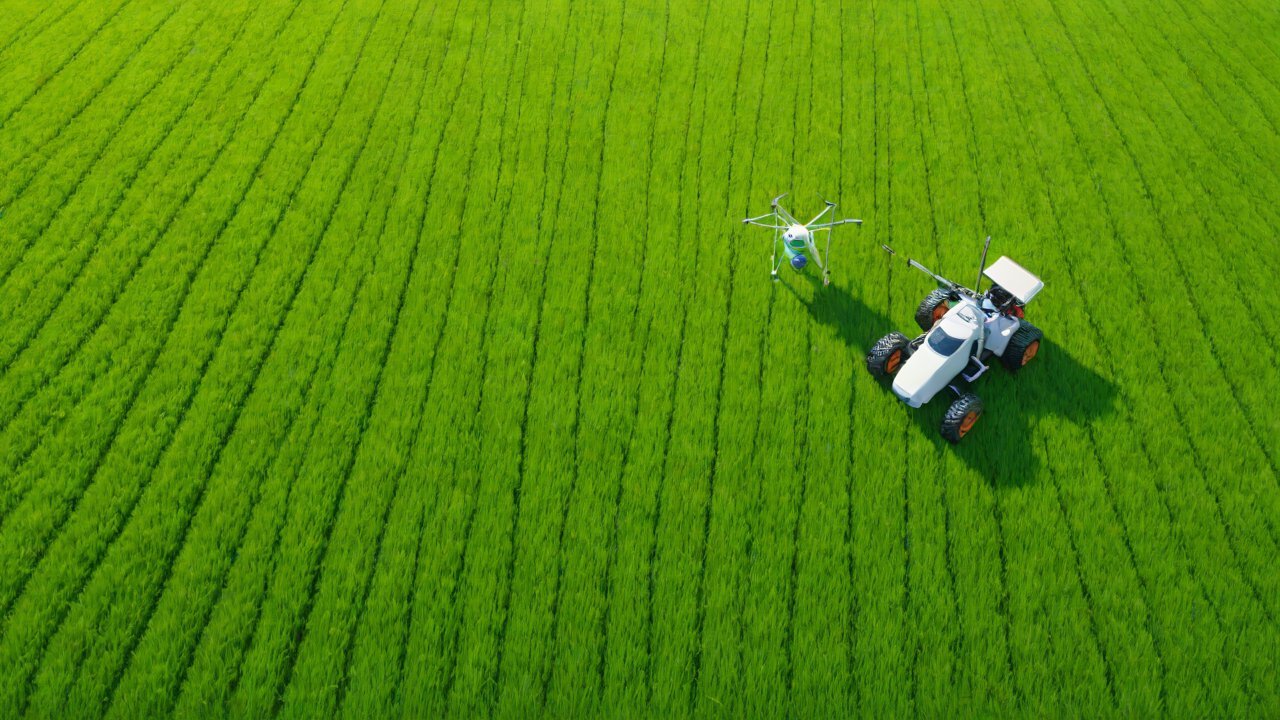
The agricultural industry is undergoing a transformative shift towards precision farming, driven by advancements in technology and satellite navigation systems. The integration of BeiDou positioning, a Chinese satellite navigation system, into unmanned agricultural machinery scheduling solutions has emerged as a game-changer for field cultivation. This report delves into the world of 2026 field cultivation, exploring the intricacies of implementing an unmanned agricultural machinery scheduling solution based on BeiDou positioning.
1. Background and Market Overview
The global precision agriculture market is projected to reach $11.5 billion by 2026, growing at a CAGR of 13.4% from 2020 to 2026. The increasing adoption of advanced technologies such as satellite navigation systems, drones, and autonomous tractors has been driving this growth. BeiDou positioning system, developed by China, is one of the key players in this market, providing accurate and reliable location information for agricultural applications.
| Market Size (Billion USD) | Growth Rate (%) |
|---|---|
| 2020 | 2.5 |
| 2021 | 3.2 |
| 2026 | 11.5 |
The adoption of unmanned agricultural machinery scheduling solutions based on BeiDou positioning is gaining momentum, particularly in countries with large agricultural landholdings and a growing need for efficient farming practices.

2. Benefits of Using Unmanned Agricultural Machinery Scheduling Solutions
Unmanned agricultural machinery scheduling solutions offer numerous benefits to farmers, including:
- Increased Efficiency: Automated scheduling and monitoring enable farmers to optimize their workloads, reducing labor costs and improving productivity.
- Improved Accuracy: BeiDou positioning provides accurate location information, ensuring that equipment is deployed precisely where needed.
- Enhanced Safety: Autonomous tractors can operate in hazardous environments, minimizing the risk of accidents and injuries.
- Data-Driven Decision Making: Real-time monitoring and data analysis enable farmers to make informed decisions about crop management, soil health, and irrigation.
3. Challenges and Limitations
While the benefits of unmanned agricultural machinery scheduling solutions are compelling, several challenges and limitations must be addressed:
- Initial Investment Costs: Implementing such systems requires significant upfront investments in hardware and software.
- Training and Support: Farmers may require training to operate and maintain these complex systems.
- Interoperability Issues: Integrating different systems and technologies can lead to compatibility problems.
| Challenge | Description |
|---|---|
| Initial Investment Costs | High upfront costs for hardware and software |
| Training and Support | Farmers may require specialized training to operate and maintain the system |
| Interoperability Issues | Compatibility problems between different systems and technologies |
4. Technical Requirements and Implementation
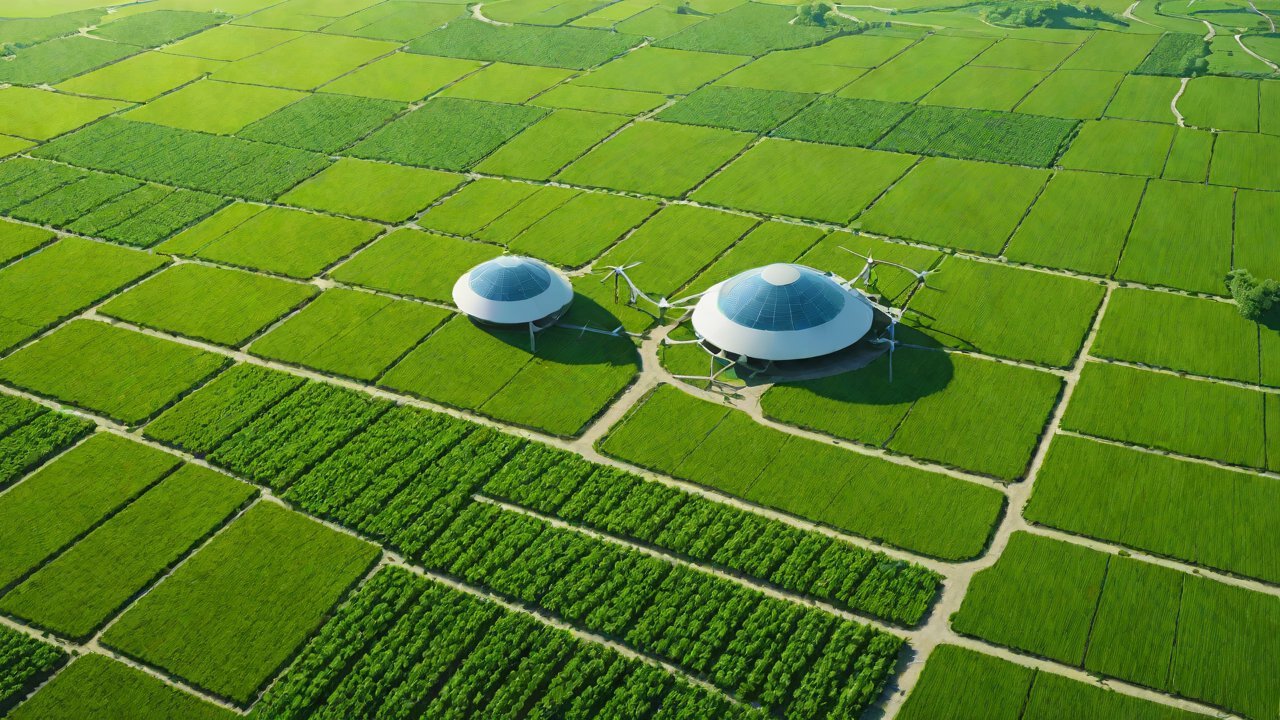
Implementing an unmanned agricultural machinery scheduling solution based on BeiDou positioning requires careful consideration of several technical factors:
- Satellite Signal Reception: Farmers must ensure that their location has clear access to BeiDou satellite signals.
- Hardware and Software Integration: The system must be integrated with existing farm equipment and software platforms.
- Data Transmission and Storage: Secure data transmission and storage protocols are essential for protecting sensitive information.
| Technical Requirement | Description |
|---|---|
| Satellite Signal Reception | Clear access to BeiDou satellite signals is required |
| Hardware and Software Integration | The system must be integrated with existing farm equipment and software platforms |
| Data Transmission and Storage | Secure data transmission and storage protocols are essential |

5. Case Studies and Best Practices
Several case studies have demonstrated the effectiveness of unmanned agricultural machinery scheduling solutions based on BeiDou positioning:
- China’s Agricultural Modernization Program: China has implemented large-scale precision agriculture projects using BeiDou positioning, resulting in significant increases in crop yields and efficiency.
- Indian Farmers’ Federation: The Indian Farmers’ Federation has partnered with a technology company to develop an unmanned agricultural machinery scheduling solution based on BeiDou positioning, which has improved farmers’ productivity and reduced costs.
6. Future Outlook and Recommendations
The adoption of unmanned agricultural machinery scheduling solutions based on BeiDou positioning is expected to continue growing in the coming years:
- Advancements in Technology: Ongoing research and development will improve the accuracy and reliability of these systems.
- Increased Adoption Rates: Farmers will become more familiar with the benefits of precision agriculture, driving increased adoption rates.
In conclusion, unmanned agricultural machinery scheduling solutions based on BeiDou positioning have the potential to revolutionize field cultivation practices worldwide. While challenges and limitations exist, the benefits of increased efficiency, improved accuracy, and enhanced safety make this technology an attractive option for farmers seeking to optimize their operations.
IOT Cloud Platform
IOT Cloud Platform is an IoT portal established by a Chinese IoT company, focusing on technical solutions in the fields of agricultural IoT, industrial IoT, medical IoT, security IoT, military IoT, meteorological IoT, consumer IoT, automotive IoT, commercial IoT, infrastructure IoT, smart warehousing and logistics, smart home, smart city, smart healthcare, smart lighting, etc.
The IoT Cloud Platform blog is a top IoT technology stack, providing technical knowledge on IoT, robotics, artificial intelligence (generative artificial intelligence AIGC), edge computing, AR/VR, cloud computing, quantum computing, blockchain, smart surveillance cameras, drones, RFID tags, gateways, GPS, 3D printing, 4D printing, autonomous driving, etc.