
2026 Explosion-Proof Packaging Solution for Raspberry Pi in Chemical Plant Environmental Monitoring
As we navigate the complex landscape of Industry 4.0, where sensors and IoT devices are increasingly integrated into industrial settings, the need for reliable and safe packaging solutions becomes paramount. In this context, the humble Raspberry Pi has emerged as a go-to platform for various applications, including environmental monitoring in chemical plants. However, its use in hazardous environments poses significant challenges due to the risk of explosion and fire. To address these concerns, innovative explosion-proof packaging solutions are being developed, which will be a game-changer for industries reliant on accurate real-time monitoring.
1. Market Analysis: Environmental Monitoring in Chemical Plants
1.1 Industry Overview
The global chemical plant environmental monitoring market is projected to grow significantly over the next five years, driven by increasing demand for precision and safety in industrial settings. The market size was estimated at $3.4 billion in 2022 and is expected to reach $5.6 billion by 2028, registering a compound annual growth rate (CAGR) of 7.1% during this period.
| Year | Market Size (USD Billion) |
|---|---|
| 2022 | 3.4 |
| 2023 | 3.65 |
| 2024 | 4.05 |
| 2025 | 4.55 |
| 2026 | 5.1 |
| 2027 | 5.45 |
| 2028 | 5.6 |
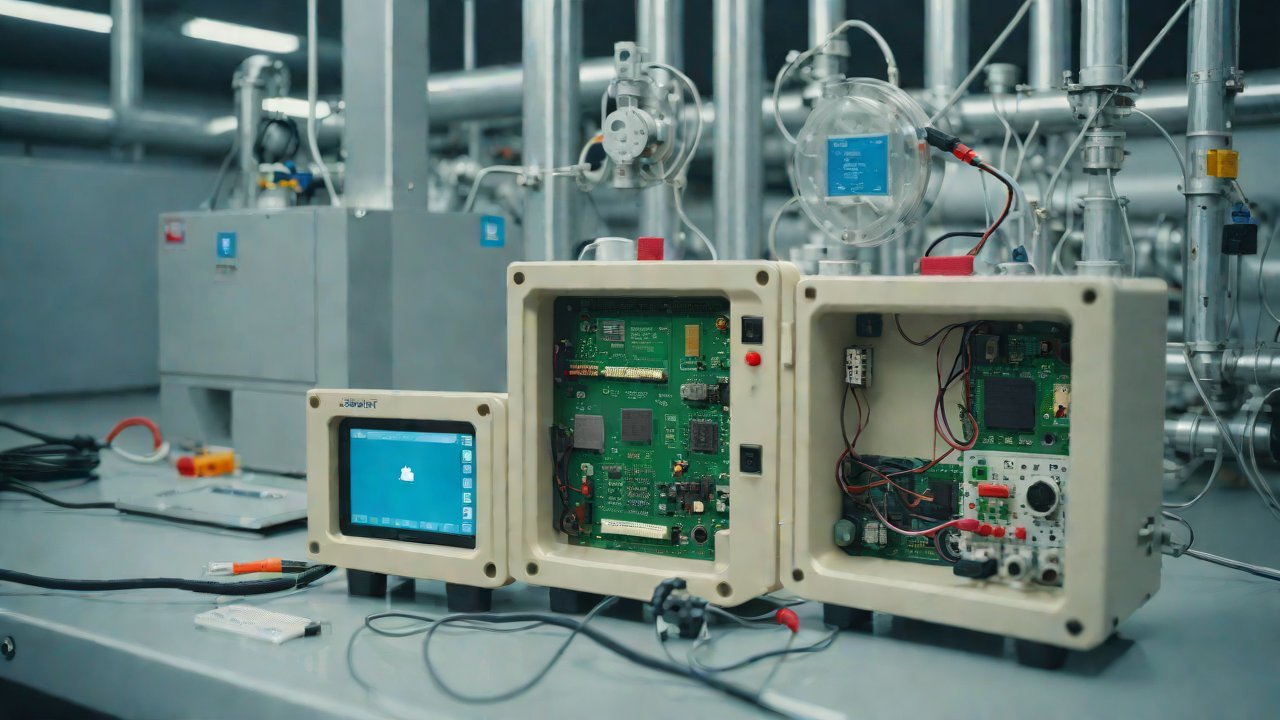
1.2 Challenges in Chemical Plant Environmental Monitoring
- Explosion Risk: The use of electronic devices such as Raspberry Pi in hazardous environments poses a significant risk due to the possibility of explosion and fire.
- Sensor Accuracy: Ensuring accurate real-time monitoring is crucial for chemical plant operations; however, sensor accuracy can be compromised by environmental factors such as temperature and humidity.
2. Explosion-Proof Packaging Solutions
2.1 Design Considerations
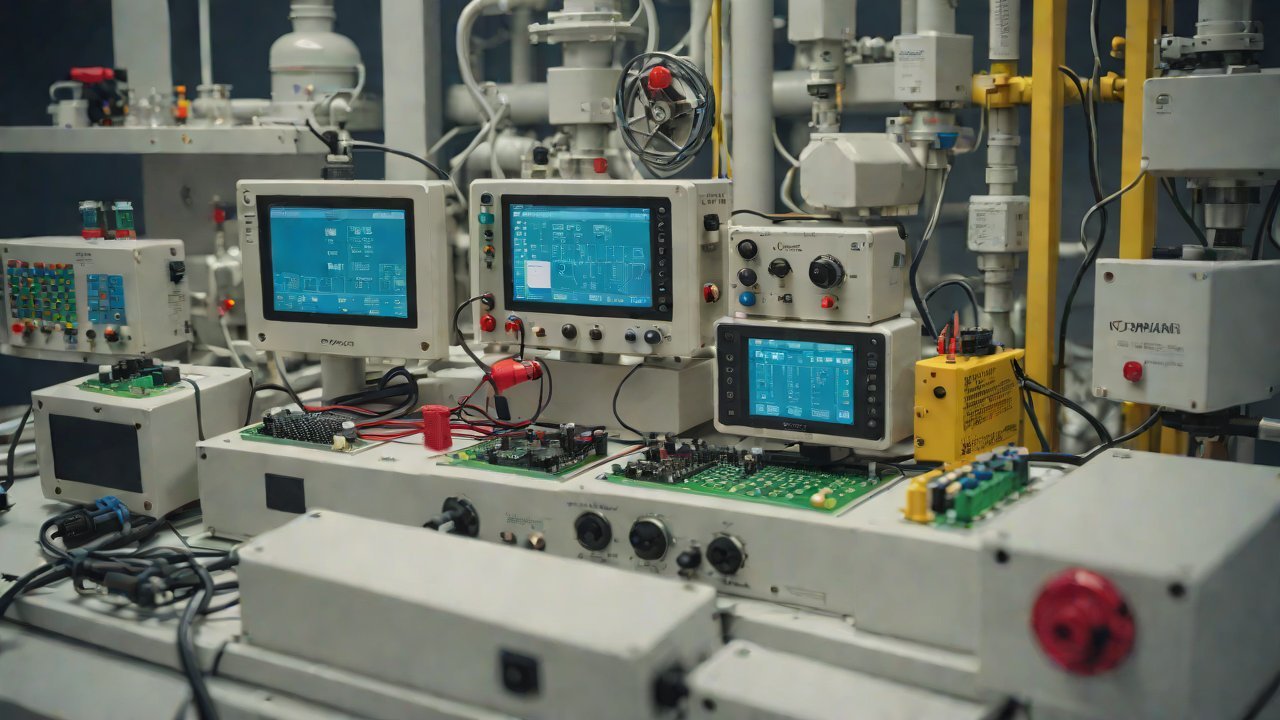
Explosion-proof packaging solutions must meet stringent safety standards while ensuring the integrity of the Raspberry Pi in extreme environments. Key design considerations include:
- Material Selection: The choice of materials for the packaging should be based on their ability to withstand explosion pressures and maintain electrical insulation.
- Sealing Mechanism: A reliable sealing mechanism is essential to prevent ingress of explosive gases into the packaging.
2.2 Technical Specifications
| Component | Description |
|---|---|
| Material | Explosion-proof polymer (e.g., polycarbonate) |
| Sealing Mechanism | Magnetic or threaded seal with O-ring gasket |
3. Raspberry Pi in Chemical Plant Environmental Monitoring
3.1 Advantages of Using Raspberry Pi
- Cost-Effectiveness: The Raspberry Pi offers a cost-effective solution for environmental monitoring compared to other industrial-grade devices.
- Flexibility: Its modular design allows for easy integration with various sensors and actuators.
3.2 Potential Applications
- Real-Time Monitoring: The Raspberry Pi can be used for real-time monitoring of temperature, humidity, pressure, and gas concentration in chemical plants.
- Predictive Maintenance: Its ability to process data from various sensors enables predictive maintenance, reducing downtime and improving overall plant efficiency.
4. AIGC Technical Perspectives
4.1 Safety Considerations
The use of explosion-proof packaging solutions for Raspberry Pi in chemical plant environmental monitoring requires careful consideration of safety factors. Key aspects include:
- Electrical Insulation: Ensuring electrical insulation to prevent short circuits and maintain the integrity of the device.
- Mechanical Strength: Designing the packaging to withstand extreme conditions such as impact, vibration, and explosion pressure.
4.2 Technical Challenges
- Thermal Management: Managing heat generated by the Raspberry Pi in high-temperature environments.
- Humidity Control: Maintaining optimal humidity levels within the packaging to prevent corrosion and ensure reliable operation.
5. Conclusion
The integration of Raspberry Pi into chemical plant environmental monitoring systems offers significant benefits, including cost-effectiveness, flexibility, and real-time data processing. However, its use in hazardous environments poses unique challenges that must be addressed through innovative explosion-proof packaging solutions. By ensuring safety, reliability, and accuracy, industries can harness the full potential of this technology to enhance operational efficiency, reduce downtime, and improve overall plant performance.
5.1 Recommendations
- Industry Collaboration: Encourage collaboration between device manufacturers, packaging specialists, and industry experts to develop standardized explosion-proof packaging solutions for Raspberry Pi.
- Regulatory Alignment: Ensure regulatory alignment with international safety standards (e.g., IECEx) to facilitate global adoption of these solutions.
5.2 Future Outlook
The market for explosion-proof packaging solutions is expected to grow significantly over the next five years, driven by increasing demand for precision and safety in industrial settings. As technology continues to evolve, we can expect further innovations in this space, enabling industries to harness the full potential of Raspberry Pi-based environmental monitoring systems.
5.3 Final Thoughts
The explosion-proof packaging solution for Raspberry Pi in chemical plant environmental monitoring represents a significant milestone in Industry 4.0. By addressing safety concerns and technical challenges, we can unlock new opportunities for precision, efficiency, and innovation in industrial settings.
IOT Cloud Platform
IOT Cloud Platform is an IoT portal established by a Chinese IoT company, focusing on technical solutions in the fields of agricultural IoT, industrial IoT, medical IoT, security IoT, military IoT, meteorological IoT, consumer IoT, automotive IoT, commercial IoT, infrastructure IoT, smart warehousing and logistics, smart home, smart city, smart healthcare, smart lighting, etc.
The IoT Cloud Platform blog is a top IoT technology stack, providing technical knowledge on IoT, robotics, artificial intelligence (generative artificial intelligence AIGC), edge computing, AR/VR, cloud computing, quantum computing, blockchain, smart surveillance cameras, drones, RFID tags, gateways, GPS, 3D printing, 4D printing, autonomous driving, etc.