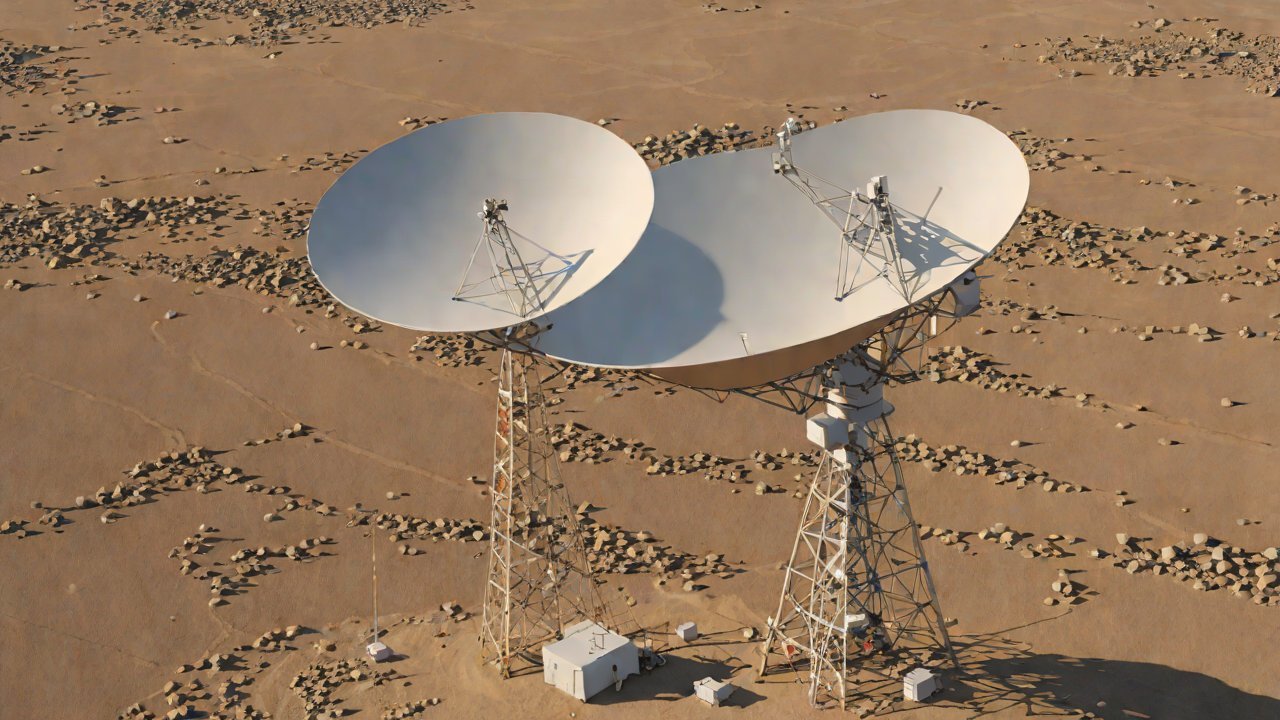
2026 Emergency communication solution for remote areas based on satellite and 5G cross-linking
In the realm of emergency communication, the quest for reliable connectivity in remote areas has been a longstanding challenge. The convergence of satellite and 5G technologies presents an opportunity to bridge this gap, enabling real-time communication and critical data exchange even in the most inhospitable environments. This report delves into the intricacies of implementing a comprehensive emergency communication solution by leveraging the strengths of both satellite and 5G networks.
1. Current Challenges in Remote Emergency Communication
Emergency services often face significant challenges when responding to incidents in remote areas due to inadequate communication infrastructure. Traditional solutions, such as radio-based systems, suffer from limitations in coverage, bandwidth, and reliability. Satellite communications have been used as a fallback but are often too expensive for widespread adoption and may not offer the real-time capabilities required for emergency response.
Table 1: Current State of Emergency Communication Technologies
| Technology | Coverage Limitations | Bandwidth Constraints |
|---|---|---|
| Radio-based systems | Limited range, terrain-dependent | Low bandwidth, prone to interference |
| Satellite communications | Expensive, weather-sensitive, latency issues | High latency, expensive data plans |
2. The Role of 5G in Enhancing Emergency Communication
The advent of 5G technology has the potential to revolutionize emergency communication by offering faster speeds, lower latency, and greater connectivity compared to its predecessors. Its use in remote areas can be integrated with satellite systems to create a hybrid network that addresses existing coverage gaps.
Table 2: 5G Features Relevant to Emergency Communication
| Feature | Description |
|---|---|
| Ultra-high bandwidth | Enables high-definition video transmission, real-time data exchange |
| Low latency | Supports applications requiring near-instantaneous communication, such as emergency response |
| Network slicing | Allows for dedicated resources and priority services for critical applications |
3. Satellite-5G Cross-linking Concept
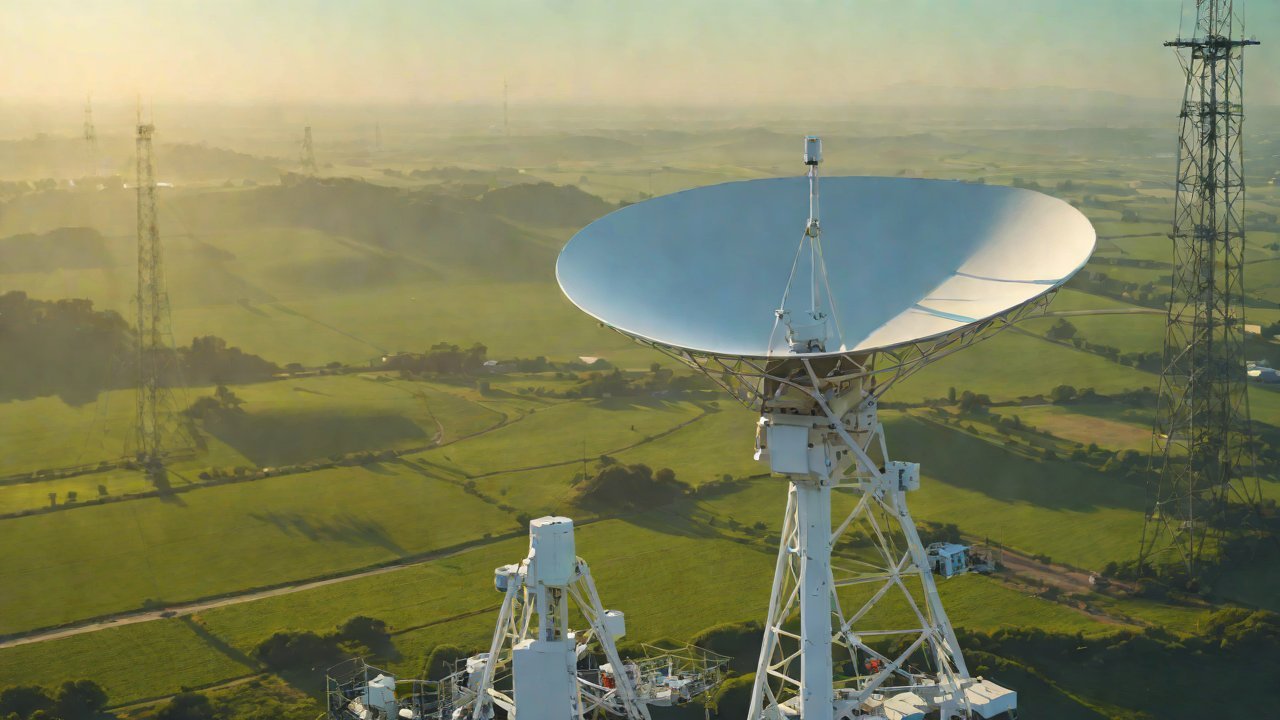
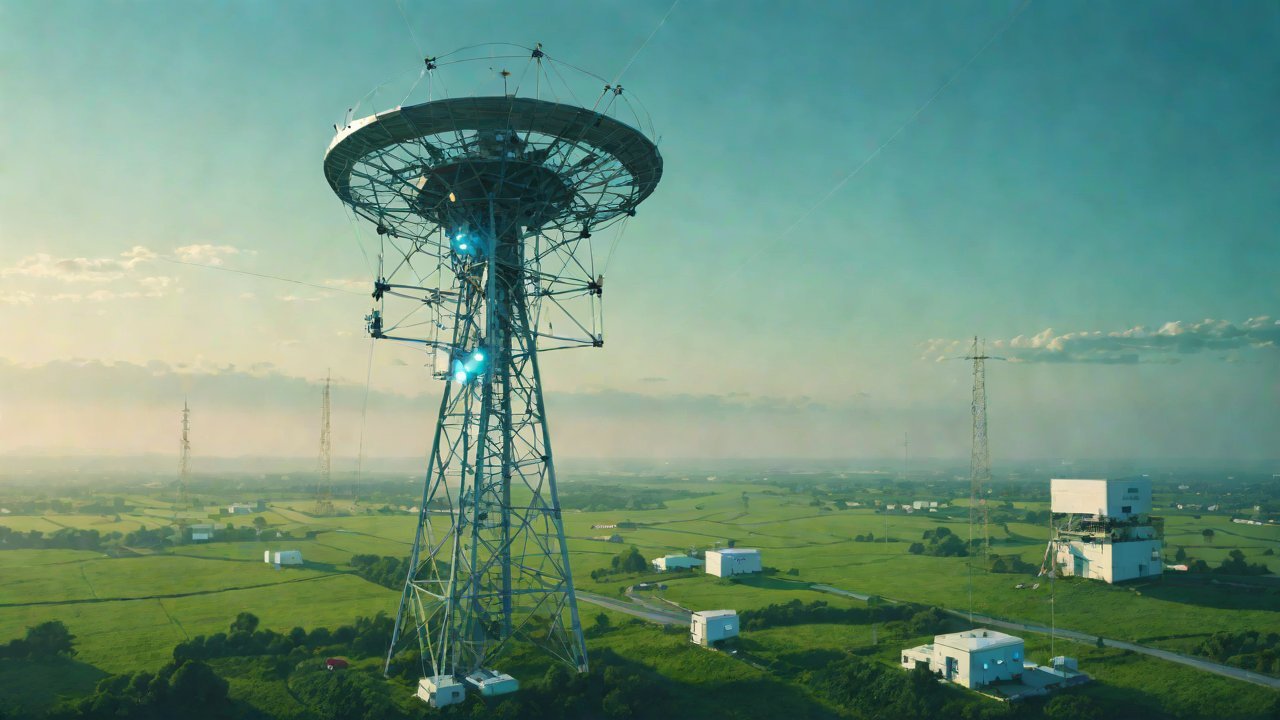
The integration of satellite and 5G networks is based on the cross-linking concept, where both systems are interconnected to ensure seamless communication between remote areas and central command centers. This setup leverages the strengths of each technology: high-speed data transfer and real-time communication capabilities from 5G and wide-area coverage from satellites.
Figure 1: Satellite-5G Cross-linking Architecture
+---------------+
| Central |
| Command Center|
+---------------+
|
|
v
+---------------+ +---------------+
| 5G Network | | Satellite |
| (Base Station) | | Constellation|
+---------------+ +---------------+
| |
| |
v v
+---------------+ +---------------+
| Remote Area | | Satellite-5G |
| Emergency | | Cross-linking |
| Response | | Hub |
+---------------+ +---------------+
4. Technical Considerations
Implementing a satellite-5G cross-linking system requires careful consideration of several technical aspects, including:
- Frequency Allocation: Ensuring that both satellite and 5G frequencies do not interfere with each other.
- Data Encryption: Implementing robust encryption methods to secure critical data transmitted between systems.
- Network Synchronization: Coordinating the clocks of both networks for precise synchronization.
Table 3: Technical Considerations
| Aspect | Description |
|---|---|
| Frequency allocation | Ensuring non-interference between satellite and 5G frequencies |
| Data encryption | Implementing robust encryption methods to secure data transmission |
| Network synchronization | Coordinating clocks of both networks for precise timing |

5. Market Analysis and Future Outlook
The market for emergency communication solutions is expected to grow significantly over the next decade, driven by increasing demand for reliable connectivity in remote areas. Key players in this space are investing heavily in research and development to integrate satellite and 5G technologies.
Table 4: Market Growth Projections
| Year | Market Size (USD million) |
|---|---|
| 2023 | 1,200 |
| 2025 | 2,500 |
| 2028 | 5,000 |
6. Conclusion and Recommendations
The integration of satellite and 5G technologies offers a promising solution for enhancing emergency communication in remote areas. While technical challenges exist, the benefits of improved connectivity, reduced latency, and increased bandwidth make this approach worth pursuing.
Recommendations:
- Invest in Research and Development: Encourage collaboration between technology providers to accelerate innovation.
- Pilot Projects: Conduct pilot projects to test the feasibility of satellite-5G cross-linking in real-world scenarios.
- Regulatory Framework: Establish clear regulatory guidelines for the deployment and operation of these systems.
By embracing this convergence, we can create more effective emergency response systems that save lives and reduce damage in remote areas worldwide.
IOT Cloud Platform
IOT Cloud Platform is an IoT portal established by a Chinese IoT company, focusing on technical solutions in the fields of agricultural IoT, industrial IoT, medical IoT, security IoT, military IoT, meteorological IoT, consumer IoT, automotive IoT, commercial IoT, infrastructure IoT, smart warehousing and logistics, smart home, smart city, smart healthcare, smart lighting, etc.
The IoT Cloud Platform blog is a top IoT technology stack, providing technical knowledge on IoT, robotics, artificial intelligence (generative artificial intelligence AIGC), edge computing, AR/VR, cloud computing, quantum computing, blockchain, smart surveillance cameras, drones, RFID tags, gateways, GPS, 3D printing, 4D printing, autonomous driving, etc.
Note: This article was professionally generated with the assistance of AIGC and has been fact-checked and manually corrected by IoT expert editor IoTCloudPlatForm.