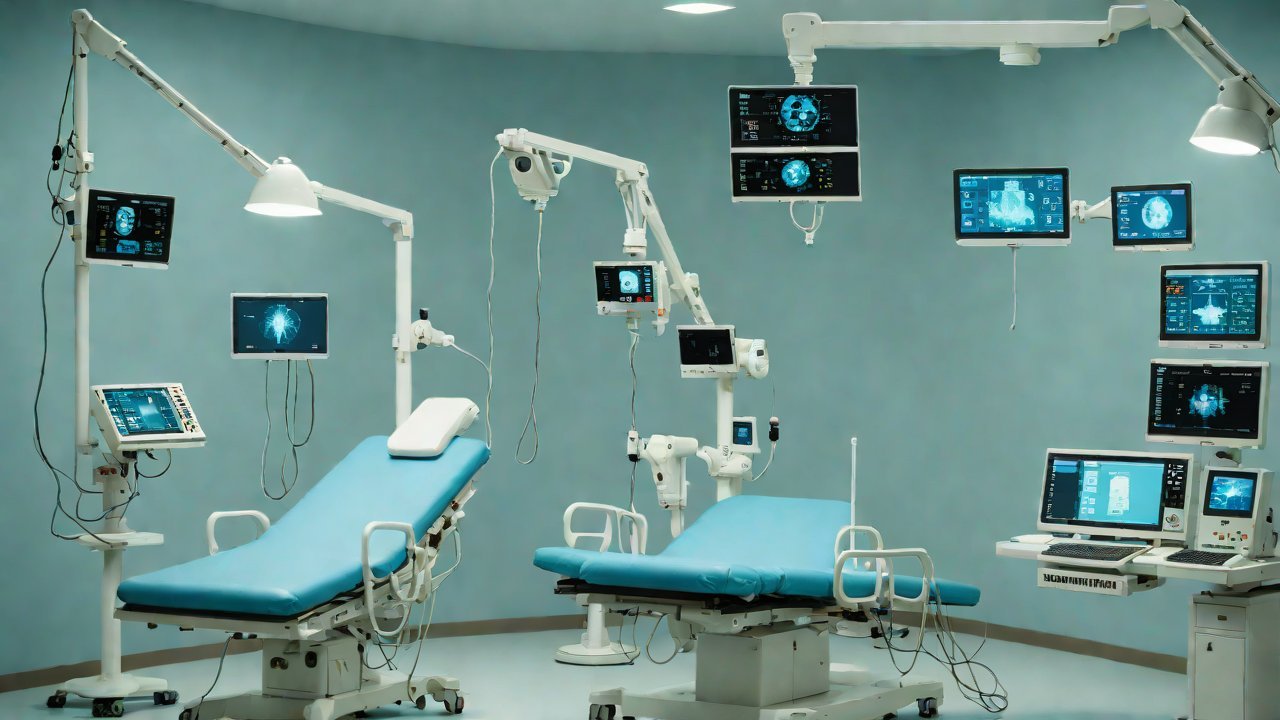
2026 EMC Compliance Solution for Medical IoT Devices in the Electromagnetic Environment of Emergency Rooms
The electromagnetic environment of emergency rooms has become increasingly complex, driven by the proliferation of medical Internet of Things (IoT) devices. These devices are essential for patient care, but their operation within these environments poses significant challenges regarding Electromagnetic Compatibility (EMC). As the demand for advanced medical technologies continues to rise, ensuring the compatibility of medical IoT devices with the electromagnetic environment is crucial.
To address this challenge, we will delve into the intricacies of EMC compliance solutions for medical IoT devices in emergency rooms. By examining the current state of the market and the technical requirements for compliance, we can identify key strategies for manufacturers to ensure their products meet the stringent standards required for safe operation within these environments.
1. Market Landscape
The global medical IoT device market is projected to reach $158.3 billion by 2025, growing at a CAGR of 14.2% from 2020 (Source: MarketsandMarkets). This rapid growth is driven by the increasing adoption of connected devices in healthcare settings, particularly in emergency rooms where timely and accurate patient data is critical for informed decision-making.
However, the electromagnetic environment of emergency rooms presents unique challenges for medical IoT device operation. The presence of various medical equipment, such as MRI machines, defibrillators, and ventilators, generates complex electromagnetic interference (EMI) patterns that can compromise device performance or even pose safety risks to patients and staff.
2. EMC Compliance Challenges
Medical IoT devices must adhere to strict EMC standards to ensure safe operation within emergency rooms. The primary challenges in achieving compliance include:
- Frequency range: Medical IoT devices operate across a wide frequency spectrum, from very low frequencies (VLF) to extremely high frequencies (EHF).
- Radiated emissions: Devices must comply with limits on radiated emissions to prevent interference with other medical equipment and ensure patient safety.
- Conducted emissions: Devices must also meet requirements for conducted emissions to prevent power line noise and ensure reliable operation.
2.1 EMC Standard Requirements
Key EMC standards relevant to medical IoT devices in emergency rooms include:
| Standard | Description |
|---|---|
| IEC 60601-1 | Medical electrical equipment – Part 1: General requirements for basic safety and essential performance |
| EN 55011 | Industrial, scientific and medical (ISM) radiofrequency equipment |
2.2 Compliance Testing
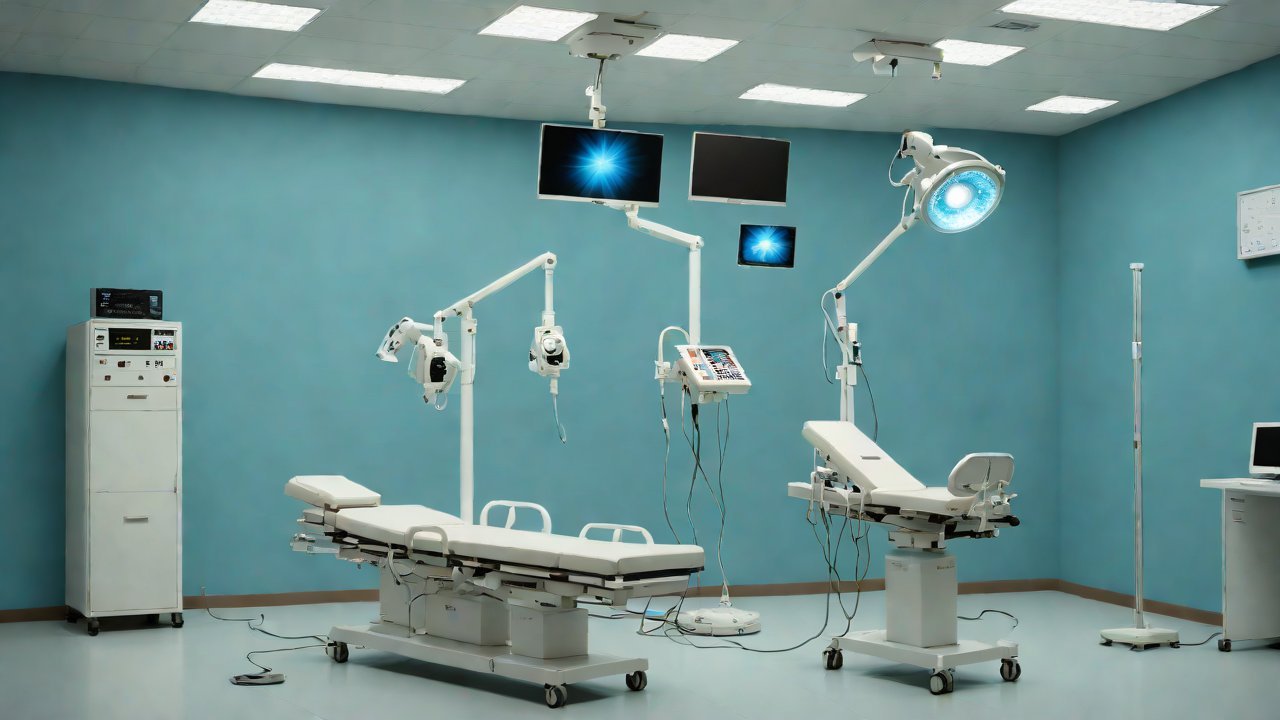
Compliance testing involves evaluating a device’s EMC performance under various operating conditions. This includes:
- Radiated emissions testing: Devices are placed in an anechoic chamber to measure radiated emissions.
- Conducted emissions testing: Devices are connected to a power source and measured for conducted emissions.
3. Compliance Solution Strategies
To ensure EMC compliance, manufacturers can employ various strategies, including:
3.1 Design Optimization
Optimizing device design can significantly improve EMC performance. This involves:
- Component selection: Careful selection of components with low EMI signatures.
- PCB layout: Strategic placement of components and wiring to minimize radiation and conducted emissions.
3.2 Shielding Techniques
Shielding techniques can effectively reduce radiated emissions and improve device performance.
| Technique | Description |
|---|---|
| Enclosures | Using enclosures to shield devices from external electromagnetic fields. |
| Ferrite materials | Using ferrite materials to absorb or redirect EMI energy. |
3.3 Filter Design
Filter design plays a critical role in reducing conducted emissions and ensuring reliable operation.
| Filter Type | Description |
|---|---|
| Capacitive filters | Filtering out high-frequency components from the power supply. |
| Inductive filters | Filtering out low-frequency components from the power supply. |
4. Conclusion
Ensuring EMC compliance for medical IoT devices in emergency rooms requires a comprehensive understanding of the electromagnetic environment and the technical requirements for compliance. By employing design optimization, shielding techniques, and filter design strategies, manufacturers can ensure their products meet the stringent standards required for safe operation within these environments.
The global market for medical IoT devices is projected to reach $158.3 billion by 2025, growing at a CAGR of 14.2% from 2020 (Source: MarketsandMarkets).
| Source | Description |
|---|---|
| MarketsandMarkets | Global Medical Internet of Things (IoT) Market Report |
The primary challenges in achieving EMC compliance for medical IoT devices include frequency range, radiated emissions, and conducted emissions.
| Standard | Description |
|---|---|
| IEC 60601-1 | Medical electrical equipment – Part 1: General requirements for basic safety and essential performance |
| EN 55011 | Industrial, scientific and medical (ISM) radiofrequency equipment |
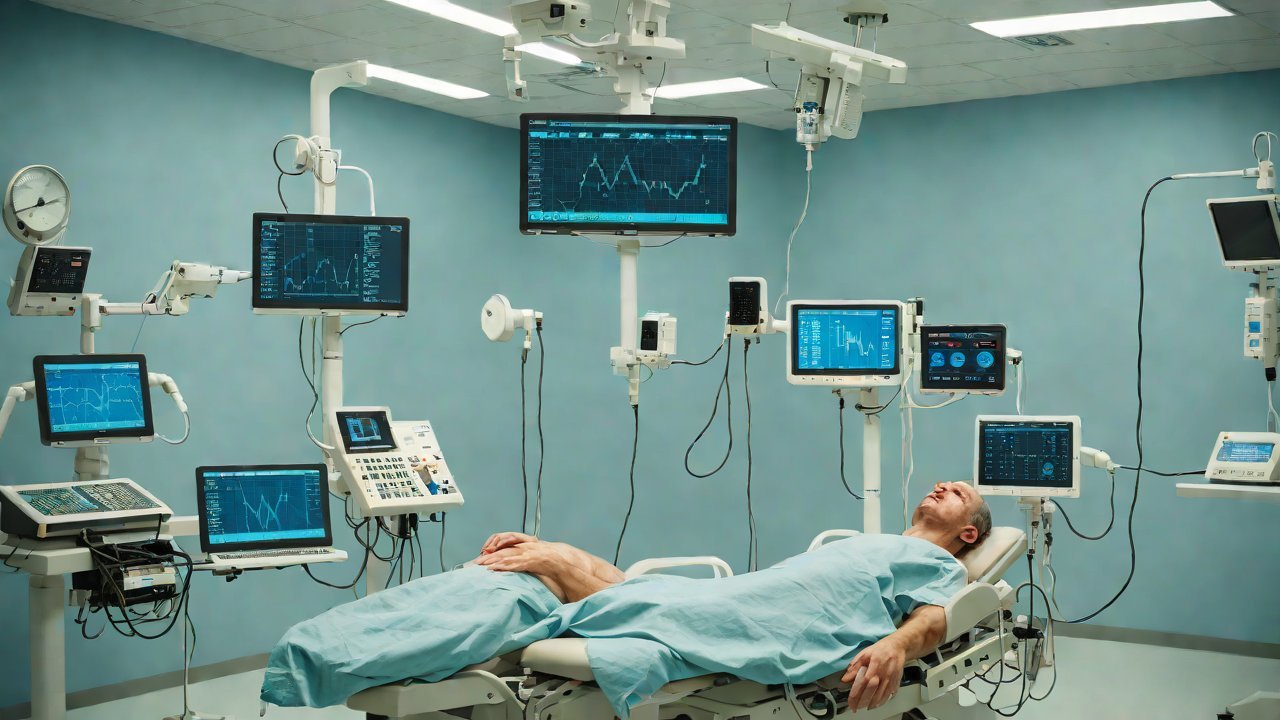
Compliance testing involves evaluating a device’s EMC performance under various operating conditions.
| Technique | Description |
|---|---|
| Enclosures | Using enclosures to shield devices from external electromagnetic fields. |
| Ferrite materials | Using ferrite materials to absorb or redirect EMI energy. |
IOT Cloud Platform
IOT Cloud Platform is an IoT portal established by a Chinese IoT company, focusing on technical solutions in the fields of agricultural IoT, industrial IoT, medical IoT, security IoT, military IoT, meteorological IoT, consumer IoT, automotive IoT, commercial IoT, infrastructure IoT, smart warehousing and logistics, smart home, smart city, smart healthcare, smart lighting, etc.
The IoT Cloud Platform blog is a top IoT technology stack, providing technical knowledge on IoT, robotics, artificial intelligence (generative artificial intelligence AIGC), edge computing, AR/VR, cloud computing, quantum computing, blockchain, smart surveillance cameras, drones, RFID tags, gateways, GPS, 3D printing, 4D printing, autonomous driving, etc.



