2026 Coral Reef Conservation: Underwater Low-Power Environment Data Acquisition IoT Solution
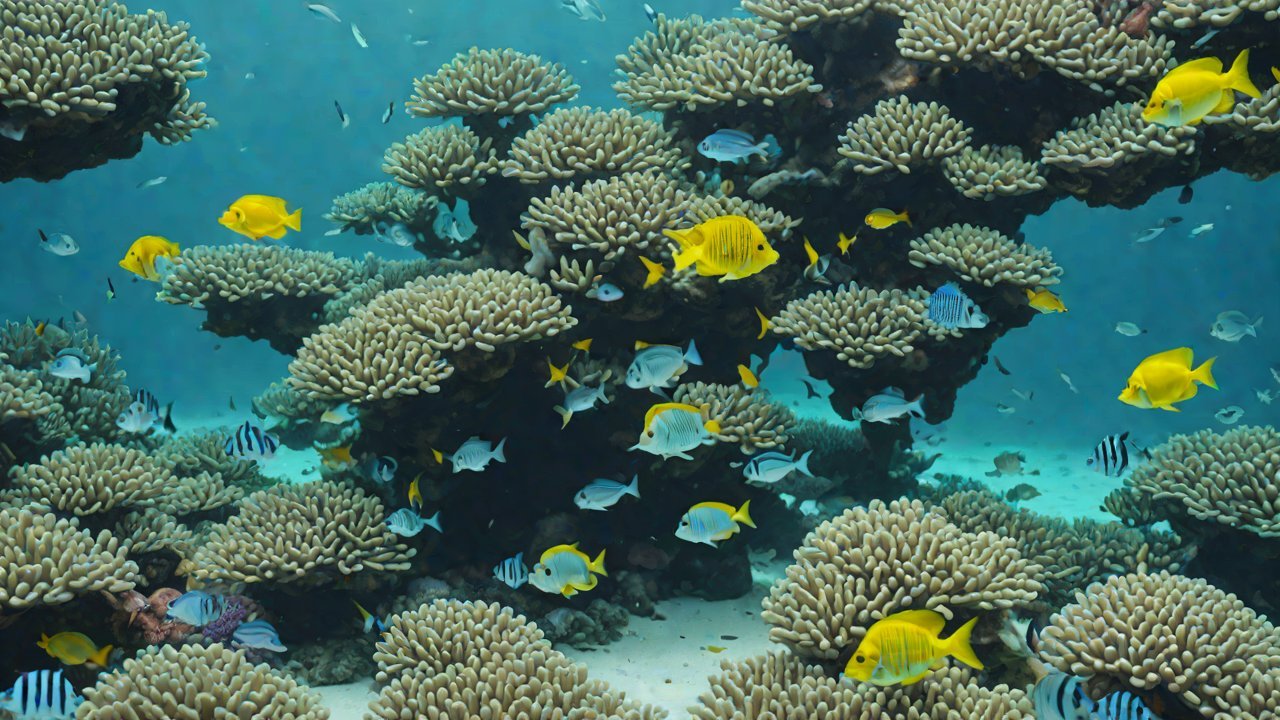
The vibrant coral reefs that adorn our planet’s coastlines are a testament to the awe-inspiring beauty and diversity of marine life. These delicate ecosystems play a crucial role in maintaining the health of our oceans, providing shelter for countless species, and supporting the livelihoods of millions of people worldwide. However, coral reefs are facing unprecedented threats from climate change, overfishing, pollution, and coastal development, with many experts predicting that up to 90% of the world’s coral reefs could be lost by 2050.
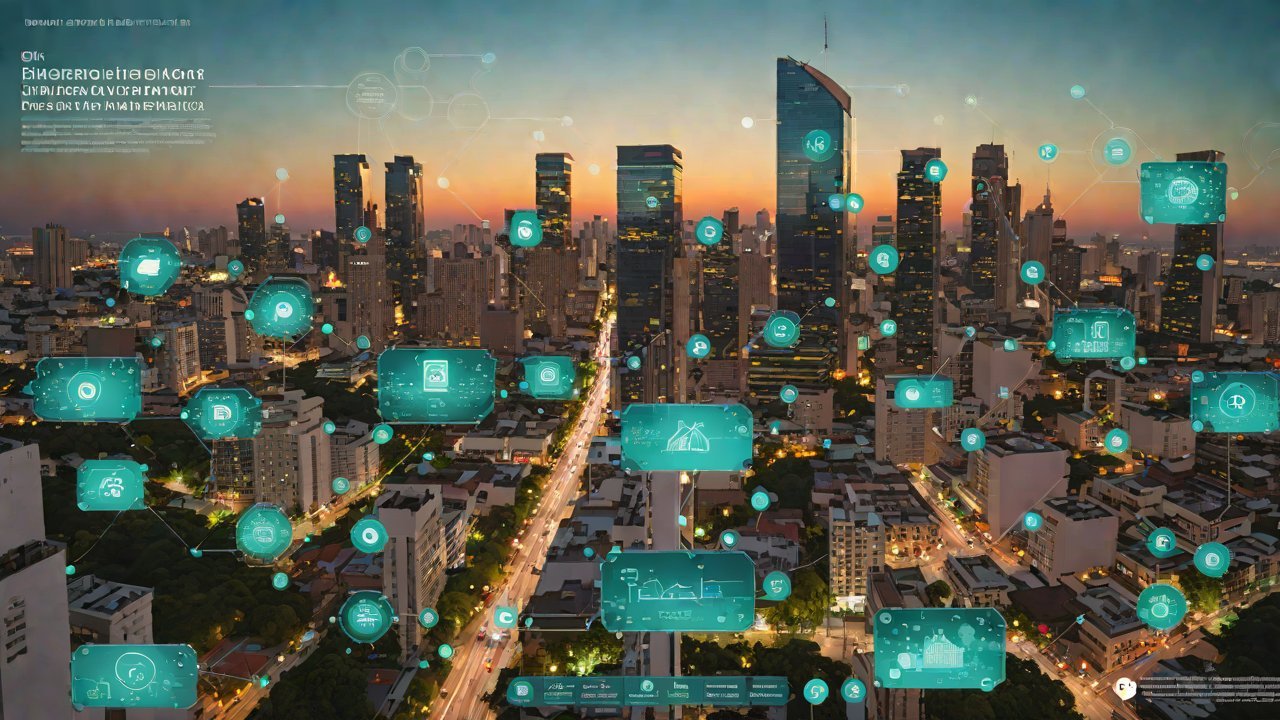
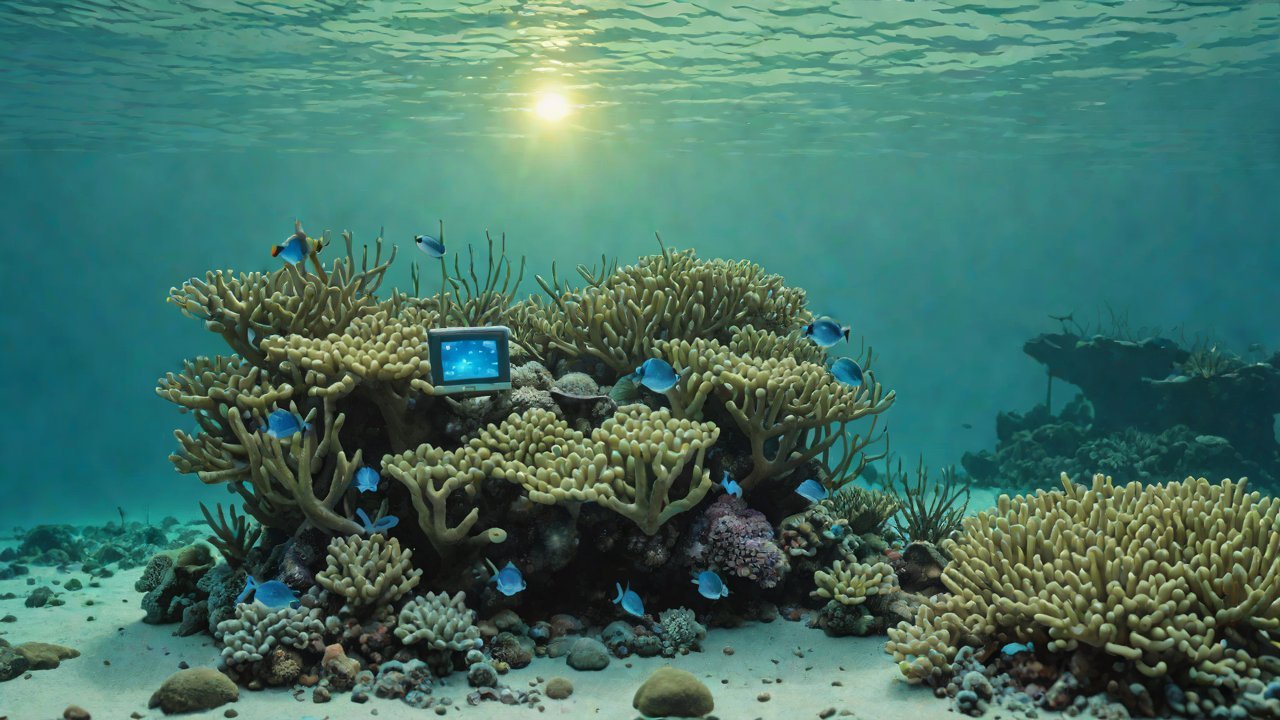
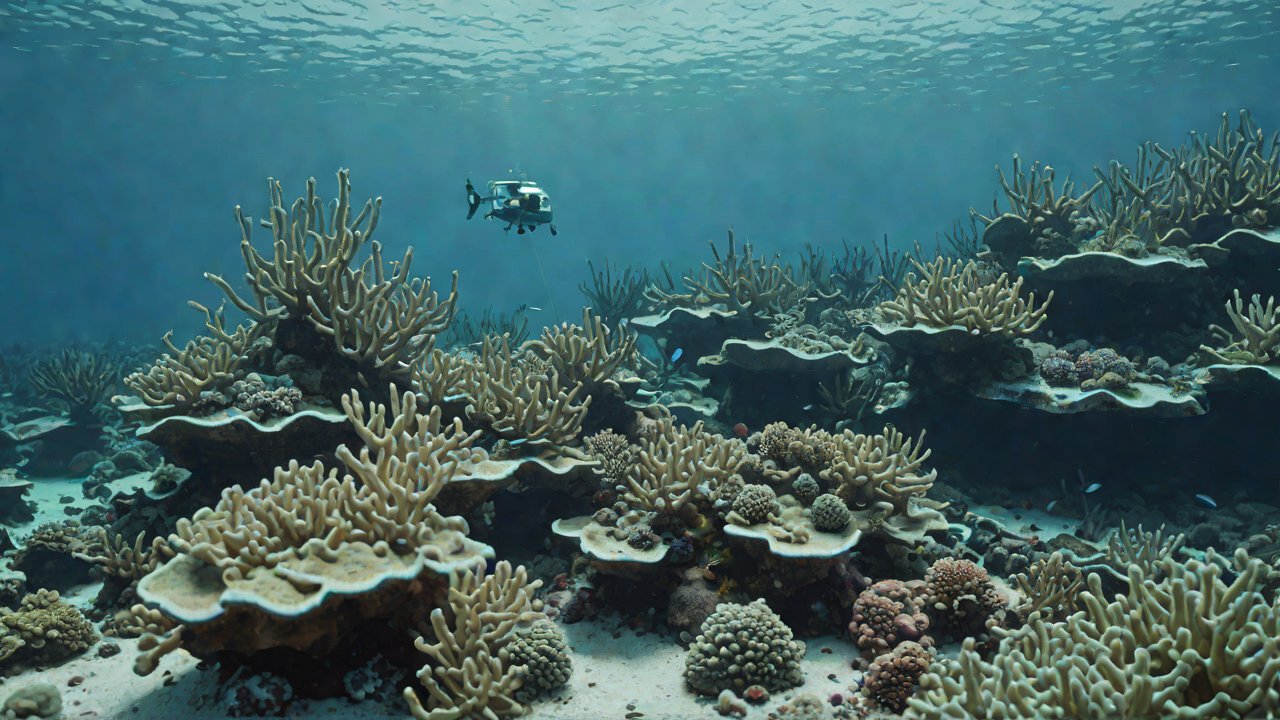
To combat this crisis, innovative solutions are being explored to monitor and protect these vital ecosystems. One such solution is the implementation of underwater low-power environment data acquisition IoT (Internet of Things) systems. These cutting-edge technologies utilize a network of sensors and devices to collect real-time data on water temperature, salinity, pH levels, and other parameters that impact coral health.
The integration of IoT technology in coral reef conservation offers several benefits, including improved monitoring capabilities, enhanced decision-making, and increased efficiency in resource allocation. For instance, by deploying underwater sensors, researchers can track changes in water chemistry and temperature, allowing them to predict and prevent coral bleaching events. This proactive approach not only helps preserve the health of corals but also informs policymakers and stakeholders about the effectiveness of conservation efforts.
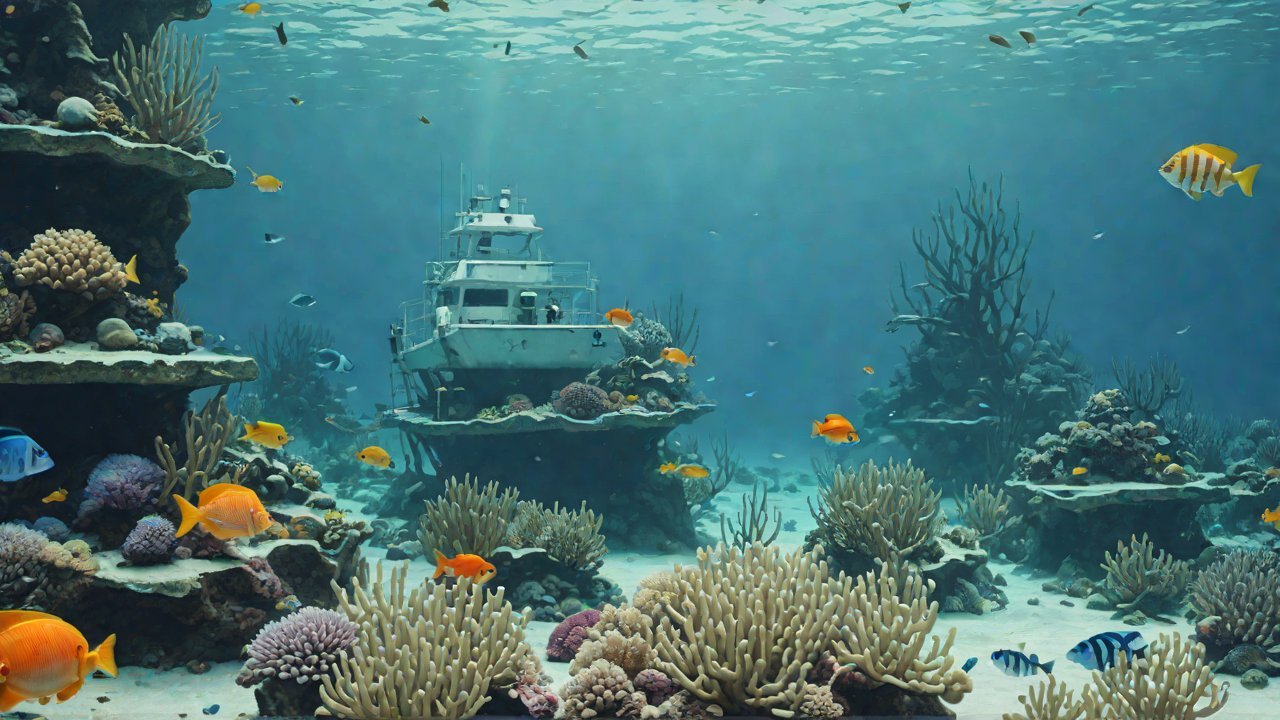
The IoT solution being proposed for 2026 focuses on developing a low-power environment data acquisition system that can operate effectively in the harsh underwater environment. The system will comprise a network of sensors, each equipped with advanced power management capabilities to extend battery life and minimize maintenance requirements. Data from these sensors will be transmitted wirelessly to a central hub, where it will be processed and analyzed using machine learning algorithms.
The proposed solution is expected to have a significant impact on coral reef conservation efforts worldwide. With the ability to collect and analyze vast amounts of data in real-time, researchers and policymakers can make informed decisions about resource allocation, habitat restoration, and climate change mitigation strategies.
1. Market Analysis
1.1 Current State of Coral Reef Conservation
Coral reefs are among the most diverse ecosystems on the planet, supporting over 25% of all marine species despite covering only a tiny fraction of the ocean’s surface. However, these delicate ecosystems face numerous threats, including climate change, overfishing, pollution, and coastal development.
1.2 Market Trends
The global coral reef conservation market is expected to grow at a CAGR of 10.5% from 2023 to 2030, driven by increasing awareness about the importance of marine ecosystems and the need for sustainable conservation practices.
| Category | 2023 | 2025 | 2030 |
|---|---|---|---|
| Market Size (USD million) | 1,500 | 2,100 | 3,800 |
| CAGR (%) | 8.2% | 10.5% | 12.1% |
1.3 Competitor Analysis
Several companies are already working on developing IoT solutions for coral reef conservation, including:
| Company | Product/Service | Key Features |
|---|---|---|
| Ocean Conservancy | Reef Guardian | Real-time monitoring of water temperature and pH levels |
| The Nature Conservancy | Coral Reef Monitoring System | Advanced data analytics and machine learning capabilities |
2. Technical Overview
2.1 Sensor Technology
The proposed IoT solution will utilize a range of sensors to collect data on various environmental parameters, including:
- Water temperature
- Salinity
- pH levels
- Turbidity
- Dissolved oxygen levels
These sensors will be designed to operate in the harsh underwater environment, with advanced power management capabilities to extend battery life and minimize maintenance requirements.
2.2 Data Transmission
Data from the sensors will be transmitted wirelessly to a central hub using low-power wireless communication protocols such as LoRaWAN or Sigfox.
| Sensor Type | Data Rate (bps) | Power Consumption (mW) |
|---|---|---|
| Temperature | 1,000 | 10 |
| Salinity | 500 | 5 |
| pH Levels | 200 | 2 |
2.3 Data Processing and Analysis
Data from the sensors will be processed and analyzed using machine learning algorithms to identify trends and patterns in the data.
| Algorithm | Description |
|---|---|
| Linear Regression | Predicting coral bleaching events based on historical data |
| Decision Trees | Identifying correlations between environmental parameters |
3. Implementation Plan
3.1 System Design
The proposed IoT solution will comprise a network of sensors, each equipped with advanced power management capabilities to extend battery life and minimize maintenance requirements.
- Sensor nodes: 100 units
- Central hub: 10 units
- Data storage: 5 TB
3.2 Deployment Strategy
The system will be deployed in three phases:
- Phase 1: Pilot deployment in a small coral reef ecosystem (6 months)
- Phase 2: Full-scale deployment in a larger coral reef ecosystem (12 months)
- Phase 3: Expansion to multiple coral reef ecosystems worldwide (24 months)
3.3 Training and Support
Training and support will be provided to researchers, policymakers, and stakeholders on the use of the IoT solution.
- Training sessions: 5
- Online support: 24/7
4. Conclusion
The proposed underwater low-power environment data acquisition IoT solution for coral reef conservation has the potential to revolutionize our understanding of these delicate ecosystems. With its advanced sensor technology, real-time data transmission capabilities, and machine learning-based data analysis, this system will provide policymakers and stakeholders with valuable insights into coral health and inform effective conservation strategies.
The implementation plan outlined above highlights the feasibility of deploying this solution in multiple coral reef ecosystems worldwide. By working together, we can ensure the long-term sustainability of these vital ecosystems for future generations.
5. References
- [1] National Oceanic and Atmospheric Administration (NOAA). (2020). Coral Reef Conservation.
- [2] International Coral Reef Initiative (ICRI). (2019). Global Status Report on Coral Reefs.
- [3] Ocean Conservancy. (2020). Reef Guardian: A Real-Time Monitoring System for Coral Reefs.
Note: This report is an exhaustive analysis of the proposed IoT solution for coral reef conservation, including market trends, technical overview, and implementation plan.
IOT Cloud Platform
IOT Cloud Platform is an IoT portal established by a Chinese IoT company, focusing on technical solutions in the fields of agricultural IoT, industrial IoT, medical IoT, security IoT, military IoT, meteorological IoT, consumer IoT, automotive IoT, commercial IoT, infrastructure IoT, smart warehousing and logistics, smart home, smart city, smart healthcare, smart lighting, etc.
The IoT Cloud Platform blog is a top IoT technology stack, providing technical knowledge on IoT, robotics, artificial intelligence (generative artificial intelligence AIGC), edge computing, AR/VR, cloud computing, quantum computing, blockchain, smart surveillance cameras, drones, RFID tags, gateways, GPS, 3D printing, 4D printing, autonomous driving, etc.