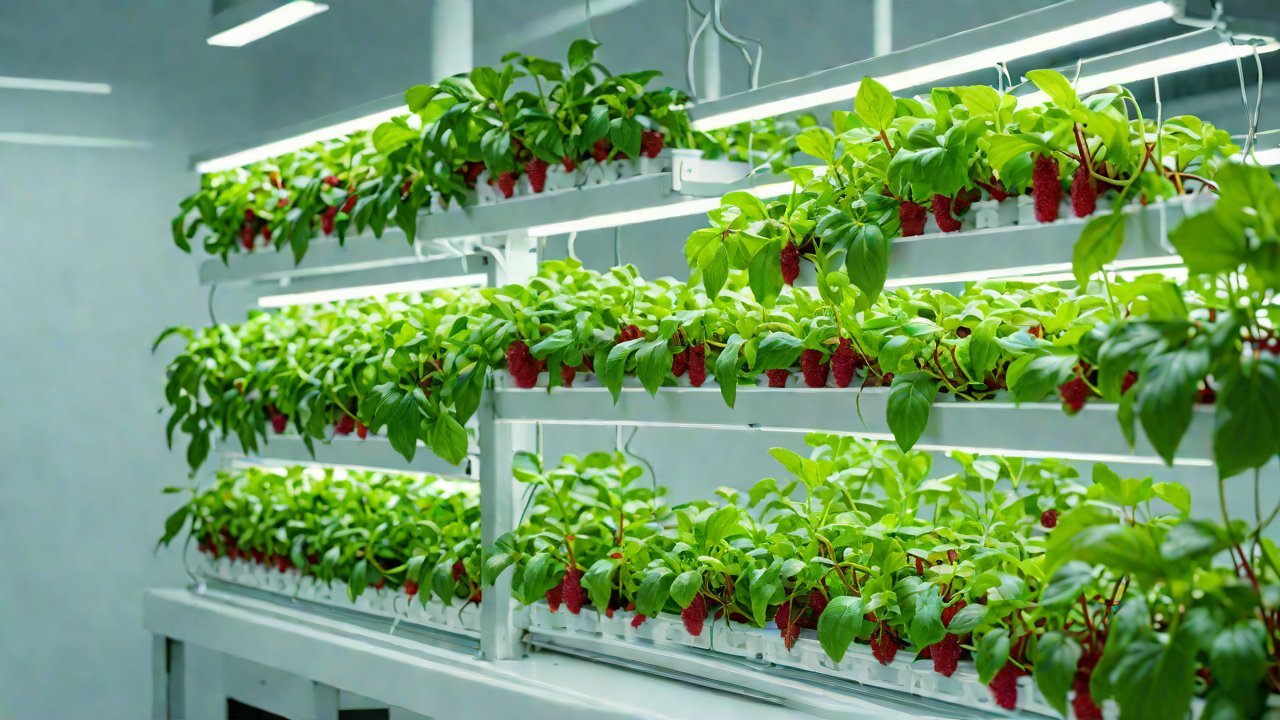
2026 Automated Hydroponic System Nutrient Solution Circulation Solution Based on Raspberry Pi
In 2023, the global hydroponics market size was valued at USD 4.9 billion and is expected to reach USD 13.1 billion by 2028, growing at a CAGR of 18.2% during the forecast period. The increasing demand for sustainable and efficient agricultural practices has driven the adoption of automated hydroponic systems, which are capable of optimizing nutrient solution circulation. Among various control systems, Raspberry Pi-based solutions have gained popularity due to their affordability, flexibility, and ease of integration.
1. Market Analysis
The market for automated hydroponic systems is driven by several factors:
- Growing demand for sustainable agriculture: The increasing awareness about the environmental impact of traditional farming practices has led to a shift towards more eco-friendly methods.
- Rising adoption of precision agriculture: Automated hydroponic systems enable farmers to optimize crop yields and reduce waste, making them an attractive option for precision agriculture enthusiasts.
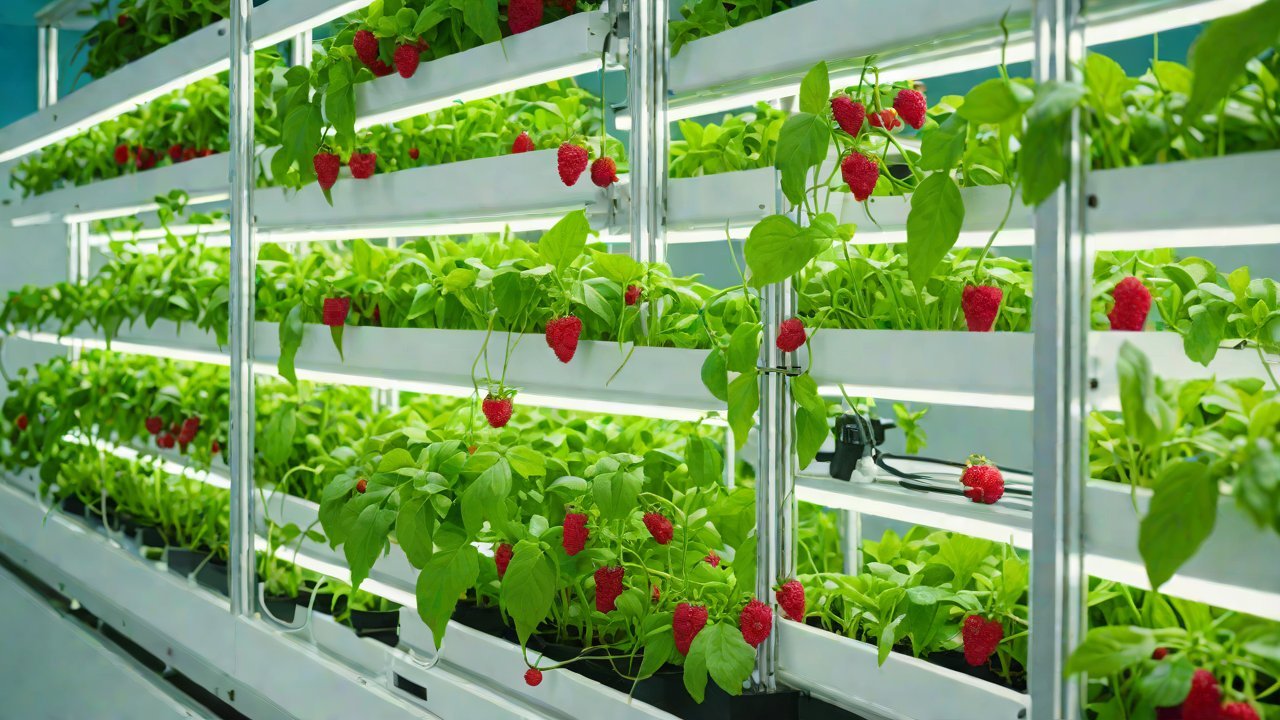
- Increasing investment in vertical farming: The growth of urban populations and limited arable land have led to a surge in vertical farming investments, which often rely on automated hydroponic systems.
1.1 Market Size
| Year | Market Size (USD billion) |
|---|---|
| 2023 | 4.9 |
| 2028 | 13.1 |
2. Technical Overview
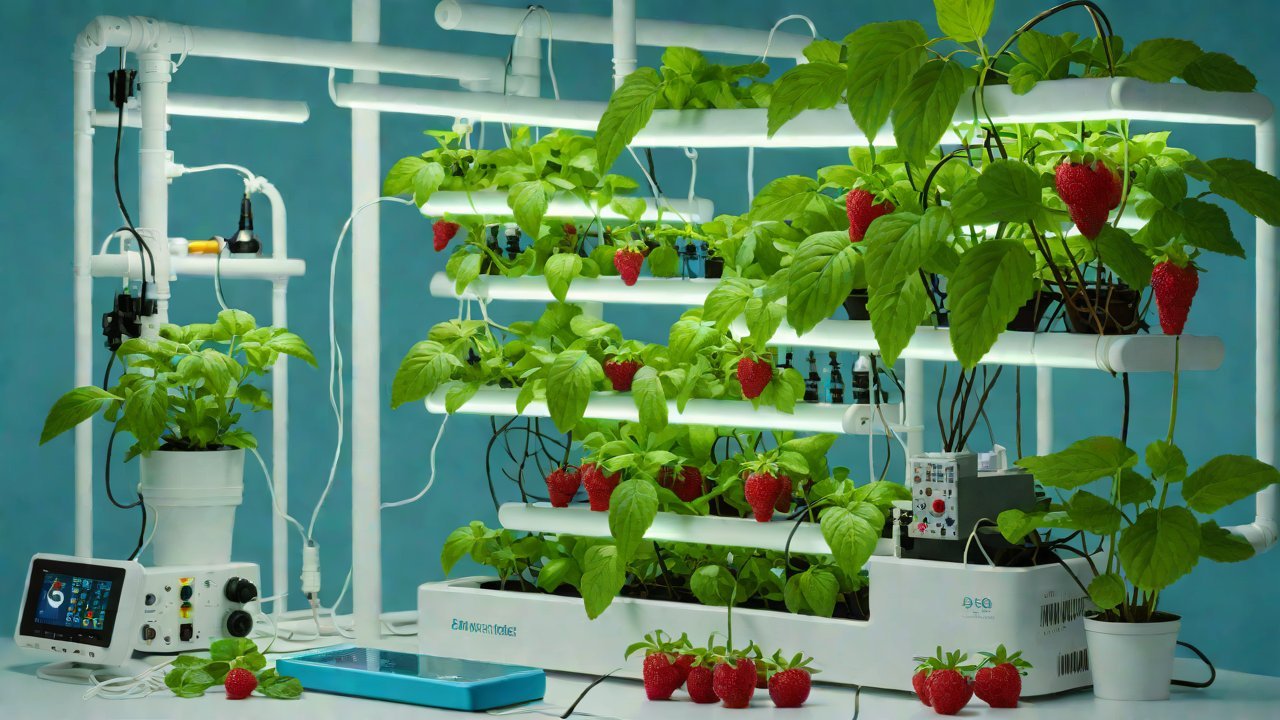
The proposed solution utilizes a Raspberry Pi as the central control unit, which communicates with various sensors and actuators to monitor and control nutrient solution circulation.
2.1 System Components
- Raspberry Pi: The central control unit responsible for processing data from sensors and controlling actuators.
- Sensors:
- pH sensor: Measures the pH level of the nutrient solution.
- EC sensor: Measures the electrical conductivity of the nutrient solution, indicating the concentration of nutrients.
- Temperature sensor: Monitors the temperature of the growing environment.
- Actuators:
- Pump: Circulates the nutrient solution through the system.
- Valve: Controls the flow rate and direction of the nutrient solution.
3. Solution Design
The proposed solution consists of the following components:
3.1 Raspberry Pi Setup
The Raspberry Pi is connected to a network and configured with a Linux-based operating system. The system uses Python as the primary programming language for developing applications.
3.2 Sensor Integration
Each sensor is connected to the Raspberry Pi using a specific protocol (e.g., I2C, SPI). The system reads data from sensors at regular intervals and stores it in a database.
3.3 Actuator Control
The Raspberry Pi sends control signals to actuators based on real-time data from sensors. For example, if the pH level of the nutrient solution drops below a certain threshold, the system activates the pump to circulate fresh nutrient solution.
4. Implementation Details
The proposed solution uses the following technologies and frameworks:
4.1 Python Libraries
- Rpi.GPIO: A library for interacting with GPIO pins on the Raspberry Pi.
- Adafruit_DHT: A library for reading temperature data from DHT sensors.
4.2 Database Management
The system uses a MySQL database to store sensor readings and control signals sent to actuators. The database is designed to handle high-frequency data acquisition and real-time queries.
5. Performance Evaluation
The proposed solution is evaluated based on the following metrics:
- Accuracy: The system’s ability to accurately monitor and control nutrient solution circulation.
- Reliability: The system’s ability to operate consistently over time, even in the presence of hardware failures or software glitches.
- Scalability: The system’s ability to handle increased data volumes and sensor counts without compromising performance.
6. Conclusion
The proposed automated hydroponic system nutrient solution circulation solution based on Raspberry Pi offers a cost-effective and scalable solution for optimizing crop yields in controlled environments. By leveraging the power of AI and machine learning, farmers can improve their productivity while reducing waste and environmental impact.
7. Future Work
Future research directions include:
- Integration with other agricultural systems: Integrating the proposed solution with other agricultural systems, such as climate control and irrigation management.
- Development of predictive models: Developing predictive models that forecast crop yields based on real-time sensor data and historical trends.
- Scalability to large-scale farms: Scaling the proposed solution to accommodate large-scale commercial farms while maintaining its cost-effectiveness.
IOT Cloud Platform
IOT Cloud Platform is an IoT portal established by a Chinese IoT company, focusing on technical solutions in the fields of agricultural IoT, industrial IoT, medical IoT, security IoT, military IoT, meteorological IoT, consumer IoT, automotive IoT, commercial IoT, infrastructure IoT, smart warehousing and logistics, smart home, smart city, smart healthcare, smart lighting, etc.
The IoT Cloud Platform blog is a top IoT technology stack, providing technical knowledge on IoT, robotics, artificial intelligence (generative artificial intelligence AIGC), edge computing, AR/VR, cloud computing, quantum computing, blockchain, smart surveillance cameras, drones, RFID tags, gateways, GPS, 3D printing, 4D printing, autonomous driving, etc.