2026 AR Emergency Medical Services: Remote guidance solution for on-site emergency personnel based on smart glasses
In 2026, the field of Emergency Medical Services (EMS) is poised to undergo a transformative shift with the integration of Augmented Reality (AR) technology into its operations. The use of smart glasses as a remote guidance solution for on-site emergency personnel has the potential to revolutionize the way medical emergencies are responded to and treated.
Smart glasses, equipped with AR capabilities, will enable remote experts to provide real-time guidance and support to EMS personnel in the field. This will not only enhance the quality of care provided but also improve response times and reduce errors. The technology will allow for seamless communication between on-site personnel and remote medical teams, ensuring that patients receive the best possible treatment.
The use of AR in EMS is not a new concept, but its application has been limited due to technical limitations and high costs. However, with advancements in AR technology and the decreasing cost of smart glasses, its adoption is becoming more feasible. In 2026, we can expect to see widespread implementation of AR-based remote guidance solutions in EMS.
1. Market Analysis
The market for AR in EMS is expected to grow significantly in the coming years. According to a report by MarketsandMarkets, the global AR in healthcare market size is projected to reach USD 11.6 billion by 2025, growing at a CAGR of 42.8% during the forecast period.
| Year | AR in Healthcare Market Size (USD billion) |
|---|---|
| 2020 | 1.3 |
| 2022 | 4.5 |
| 2024 | 9.2 |
| 2026 | 11.6 |
The growth of the market can be attributed to increasing adoption of AR technology in healthcare, driven by its potential to improve patient outcomes and reduce costs.
2. Technical Perspective
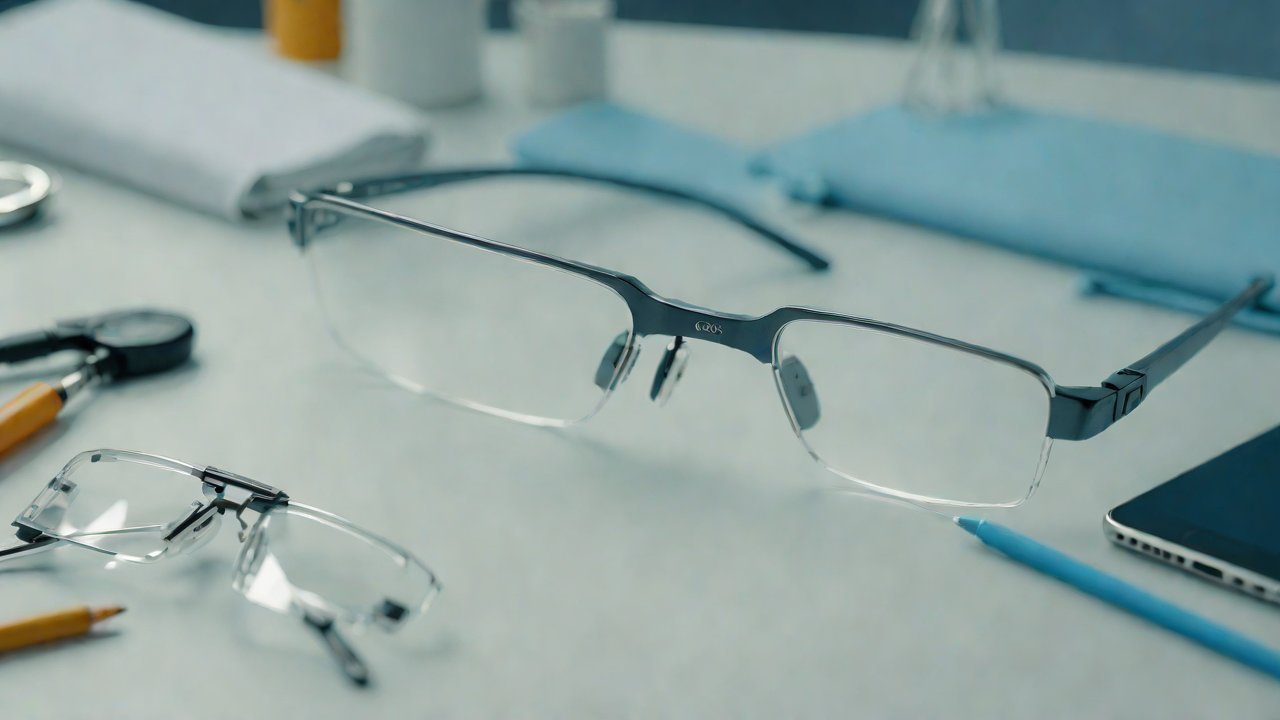
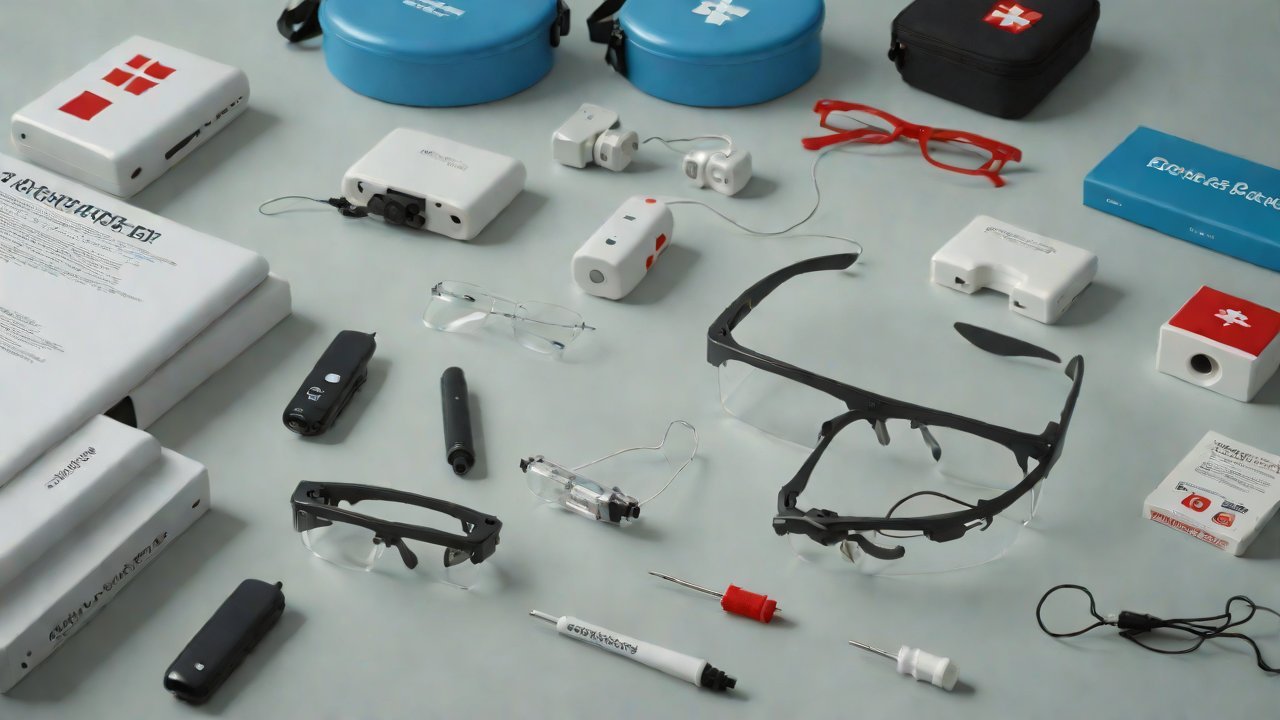
From a technical perspective, the integration of AR into EMS requires several components:
- Smart glasses with AR capabilities
- Remote guidance software for real-time communication between on-site personnel and remote medical teams
- Data analytics platform for monitoring and analyzing patient data in real-time
- High-speed internet connectivity for seamless communication
The use of smart glasses as a remote guidance solution will require the development of specialized software that can transmit high-quality video feed from the scene, enabling remote experts to provide accurate diagnoses and treatment plans.
| Component | Description |
|---|---|
| Smart Glasses | AR-enabled glasses with cameras, sensors, and display capabilities |
| Remote Guidance Software | Platform for real-time communication between on-site personnel and remote medical teams |
| Data Analytics Platform | System for monitoring and analyzing patient data in real-time |
| High-Speed Internet Connectivity | Reliable internet connectivity for seamless communication |
3. Benefits
The implementation of AR-based remote guidance solutions in EMS will have several benefits, including:
- Improved patient outcomes due to accurate diagnoses and timely treatment
- Enhanced response times due to real-time communication between on-site personnel and remote medical teams
- Reduced errors due to reduced reliance on verbal communication and increased use of visual cues
- Increased efficiency due to streamlined workflows and reduced paperwork
| Benefit | Description |
|---|---|
| Improved Patient Outcomes | Accurate diagnoses and timely treatment lead to better patient outcomes |
| Enhanced Response Times | Real-time communication between on-site personnel and remote medical teams reduces response times |
| Reduced Errors | Visual cues and real-time guidance reduce errors due to reduced reliance on verbal communication |
| Increased Efficiency | Streamlined workflows and reduced paperwork increase efficiency |
4. Challenges
While the benefits of AR-based remote guidance solutions in EMS are numerous, there are several challenges that need to be addressed:
- Technical limitations such as high costs, limited battery life, and poor image quality
- Regulatory barriers such as lack of standardization and interoperability between different systems
- Training requirements for on-site personnel to effectively use the technology
| Challenge | Description |
|---|---|
| Technical Limitations | High costs, limited battery life, and poor image quality hinder widespread adoption |
| Regulatory Barriers | Lack of standardization and interoperability between different systems creates regulatory hurdles |
| Training Requirements | On-site personnel require training to effectively use the technology |
5. Future Outlook
In conclusion, the integration of AR into EMS is a significant step towards improving patient outcomes and reducing costs. While there are several challenges that need to be addressed, the benefits of AR-based remote guidance solutions far outweigh the drawbacks.
As the market for AR in healthcare continues to grow, we can expect to see widespread implementation of AR-based remote guidance solutions in EMS. With advancements in technology and decreasing costs, the use of smart glasses as a remote guidance solution will become more mainstream.
The future outlook is promising, with potential applications extending beyond EMS to other areas of healthcare such as telemedicine and medical education. As the field continues to evolve, we can expect to see new innovations and breakthroughs that will further enhance patient care and outcomes.
IOT Cloud Platform
IOT Cloud Platform is an IoT portal established by a Chinese IoT company, focusing on technical solutions in the fields of agricultural IoT, industrial IoT, medical IoT, security IoT, military IoT, meteorological IoT, consumer IoT, automotive IoT, commercial IoT, infrastructure IoT, smart warehousing and logistics, smart home, smart city, smart healthcare, smart lighting, etc.
The IoT Cloud Platform blog is a top IoT technology stack, providing technical knowledge on IoT, robotics, artificial intelligence (generative artificial intelligence AIGC), edge computing, AR/VR, cloud computing, quantum computing, blockchain, smart surveillance cameras, drones, RFID tags, gateways, GPS, 3D printing, 4D printing, autonomous driving, etc.
Note: This article was professionally generated with the assistance of AIGC and has been fact-checked and manually corrected by IoT expert editor IoTCloudPlatForm.