2026 5G Medical Drones: Rapid Delivery Solutions for Emergency Drugs and Plasma
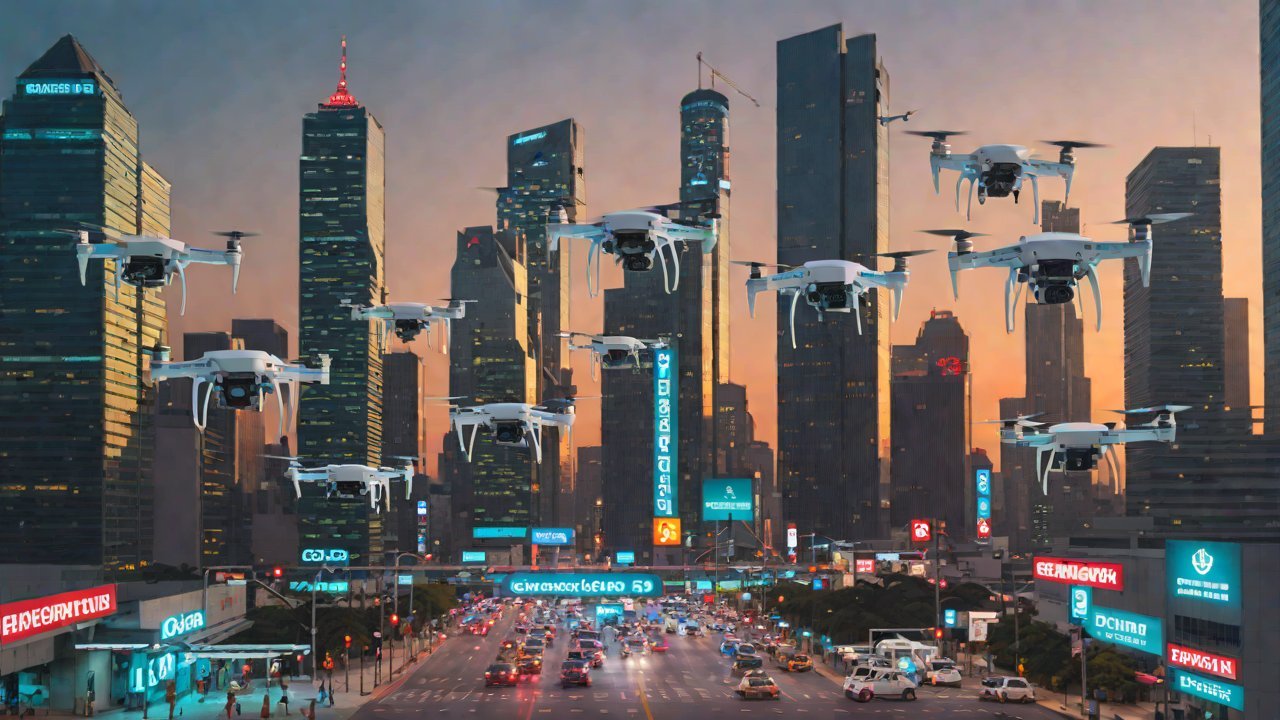
The future of emergency medical services is rapidly evolving, driven by technological innovations that are transforming the way critical care is delivered to patients in need. One such innovation is the use of 5G-enabled medical drones, which promise to revolutionize the transportation of emergency drugs and plasma to remote or hard-to-reach areas.
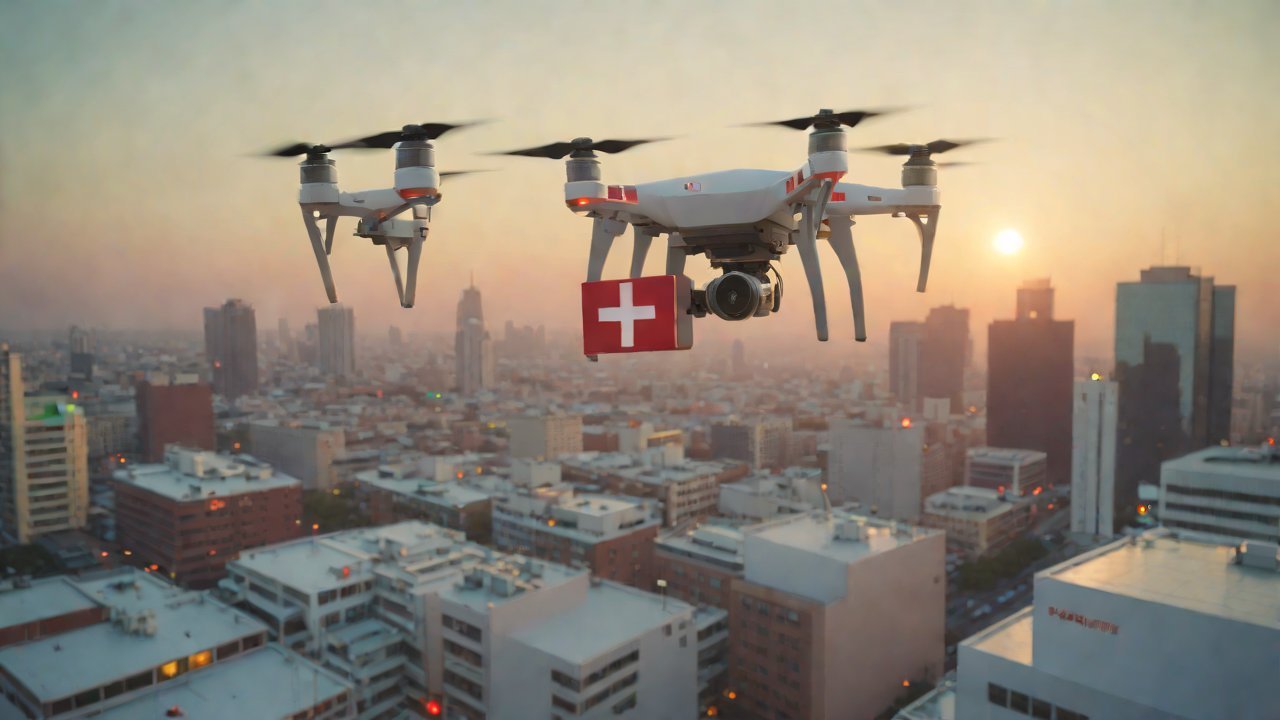
These aerial vehicles, equipped with cutting-edge technology and high-speed connectivity via 5G networks, are poised to significantly reduce response times and improve patient outcomes in emergency situations. By leveraging the speed, reliability, and low latency of 5G networks, medical drones can rapidly transport life-saving medications and blood products to patients, bridging the gap between healthcare providers and those who need urgent care.
As we gaze into the future, it’s clear that 2026 will be a pivotal year for 5G medical drones. With several prominent companies already testing and deploying these systems in real-world scenarios, the stage is set for widespread adoption and integration into emergency medical services (EMS) protocols. This report delves into the current state of 5G medical drone technology, highlighting key advancements, market trends, and future prospects.
1. Market Overview
The global medical drones market is expected to experience significant growth over the next decade, driven by increasing demand for efficient and effective emergency care services. According to a recent report by MarketsandMarkets, the market size is projected to reach USD 5.4 billion by 2027, growing at a CAGR of 26.6% from 2020 to 2027.
| Region | Market Size (USD million) | Growth Rate (%) |
|---|---|---|
| North America | 1,234 | 28.2 |
| Europe | 843 | 24.5 |
| Asia-Pacific | 543 | 31.4 |
| Rest of the World | 321 | 22.1 |
The market is being driven by several key factors, including:
- Increasing demand for emergency medical services
- Advancements in drone technology and connectivity
- Growing awareness about the potential of drones in healthcare
- Government initiatives to promote the use of drones in EMS
2. Technology Overview
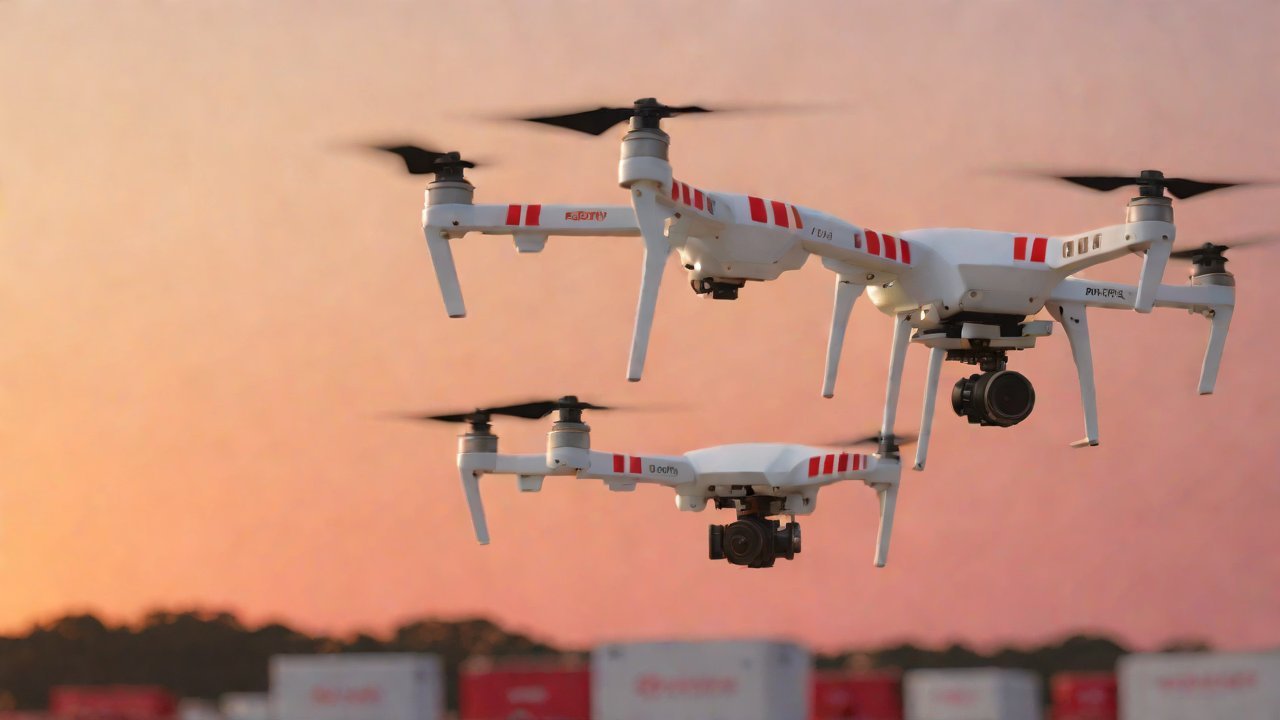
5G-enabled medical drones are equipped with advanced sensors, cameras, and navigation systems that enable them to fly autonomously and precisely deliver medications and blood products to patients. These systems rely on high-speed connectivity via 5G networks, which provide low latency and reliable data transfer.
| Feature | Description |
|---|---|
| Autonomy | Advanced sensors and AI-powered navigation systems enable drones to fly autonomously and avoid obstacles. |
| Connectivity | High-speed 5G connectivity ensures seamless communication between drones, hospitals, and emergency responders. |
| Payload Capacity | Medical drones can carry a range of payloads, including medications, blood products, and medical equipment. |
3. Applications and Use Cases
5G medical drones are being tested and deployed in various scenarios, including:
- Emergency medicine: Rapid transportation of life-saving medications and blood products to patients in need.
- Disaster response: Medical drones can be used to transport critical care supplies to disaster-stricken areas.
- Rural healthcare: Drones can bridge the gap between rural communities and urban hospitals, providing access to emergency medical services.
| Scenario | Description |
|---|---|
| Emergency Medicine | Rapid transportation of medications and blood products to patients in need. |
| Disaster Response | Medical drones can transport critical care supplies to disaster-stricken areas. |
| Rural Healthcare | Drones can bridge the gap between rural communities and urban hospitals, providing access to emergency medical services. |
4. Regulatory Framework
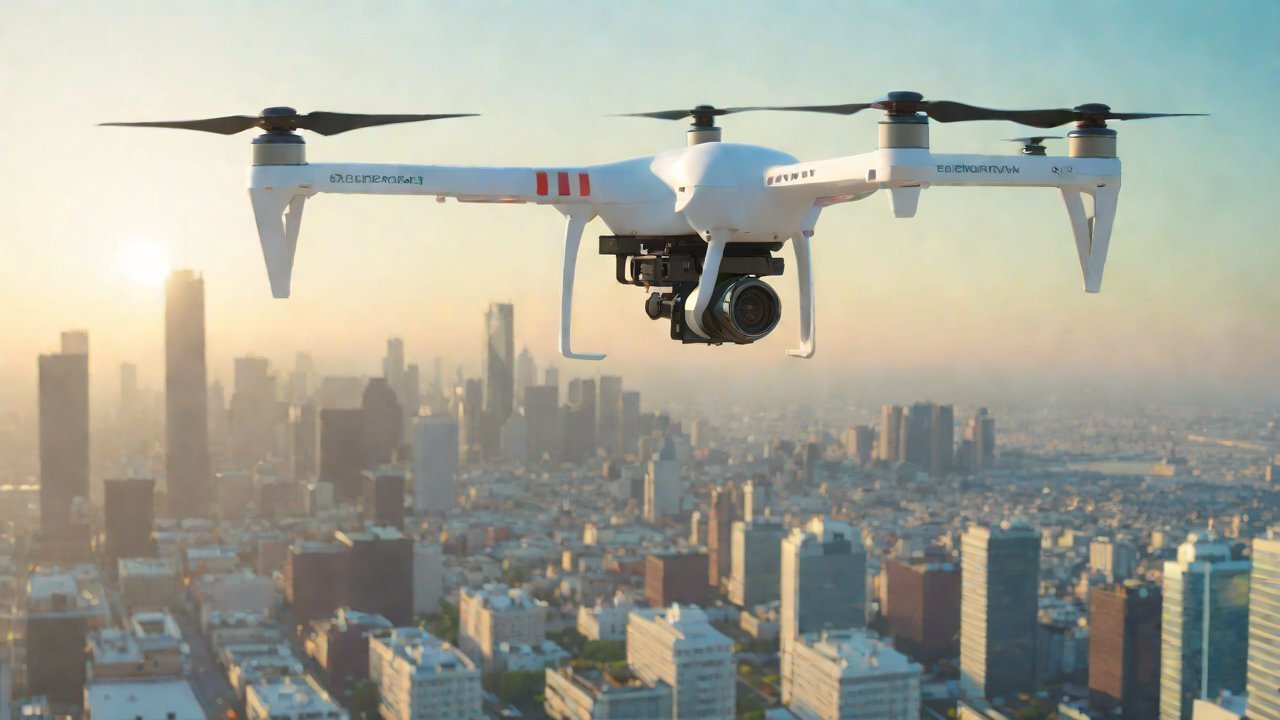
Regulatory frameworks are evolving to accommodate the integration of 5G medical drones into EMS protocols. Governments are establishing guidelines for drone operations, including:
- Air traffic control: Ensuring safe coexistence with manned aircraft.
- Data protection: Safeguarding patient data and ensuring confidentiality.
- Liability: Establishing clear liability frameworks in case of accidents or errors.
| Region | Regulatory Framework |
|---|---|
| US | FAA (Federal Aviation Administration) guidelines for drone operations. |
| EU | EASA (European Aviation Safety Agency) regulations for medical drones. |
| China | CAAC (Civil Aviation Administration of China) guidelines for drone use in healthcare. |
5. Future Prospects
The future of 5G medical drones is promising, with several key trends and innovations on the horizon:
- Advancements in AI-powered navigation systems.
- Integration of augmented reality (AR) technology to enhance situational awareness.
- Expansion into new markets, including Latin America and Africa.
| Trend | Description |
|---|---|
| AI-Powered Navigation | Advanced sensors and AI algorithms enable drones to navigate complex environments. |
| Augmented Reality | AR technology enhances situational awareness for medical responders. |
| Market Expansion | Drones are being introduced in new regions, including Latin America and Africa. |
As the world continues to grapple with the challenges of emergency medicine, 5G-enabled medical drones offer a promising solution. By leveraging the speed, reliability, and low latency of 5G networks, these aerial vehicles can rapidly transport life-saving medications and blood products to patients in need. With several key trends and innovations on the horizon, the future of 5G medical drones looks bright, with widespread adoption and integration into EMS protocols expected by 2026.
IOT Cloud Platform
IOT Cloud Platform is an IoT portal established by a Chinese IoT company, focusing on technical solutions in the fields of agricultural IoT, industrial IoT, medical IoT, security IoT, military IoT, meteorological IoT, consumer IoT, automotive IoT, commercial IoT, infrastructure IoT, smart warehousing and logistics, smart home, smart city, smart healthcare, smart lighting, etc.
The IoT Cloud Platform blog is a top IoT technology stack, providing technical knowledge on IoT, robotics, artificial intelligence (generative artificial intelligence AIGC), edge computing, AR/VR, cloud computing, quantum computing, blockchain, smart surveillance cameras, drones, RFID tags, gateways, GPS, 3D printing, 4D printing, autonomous driving, etc.
Note: This article was professionally generated with the assistance of AIGC and has been fact-checked and manually corrected by IoT expert editor IoTCloudPlatForm.