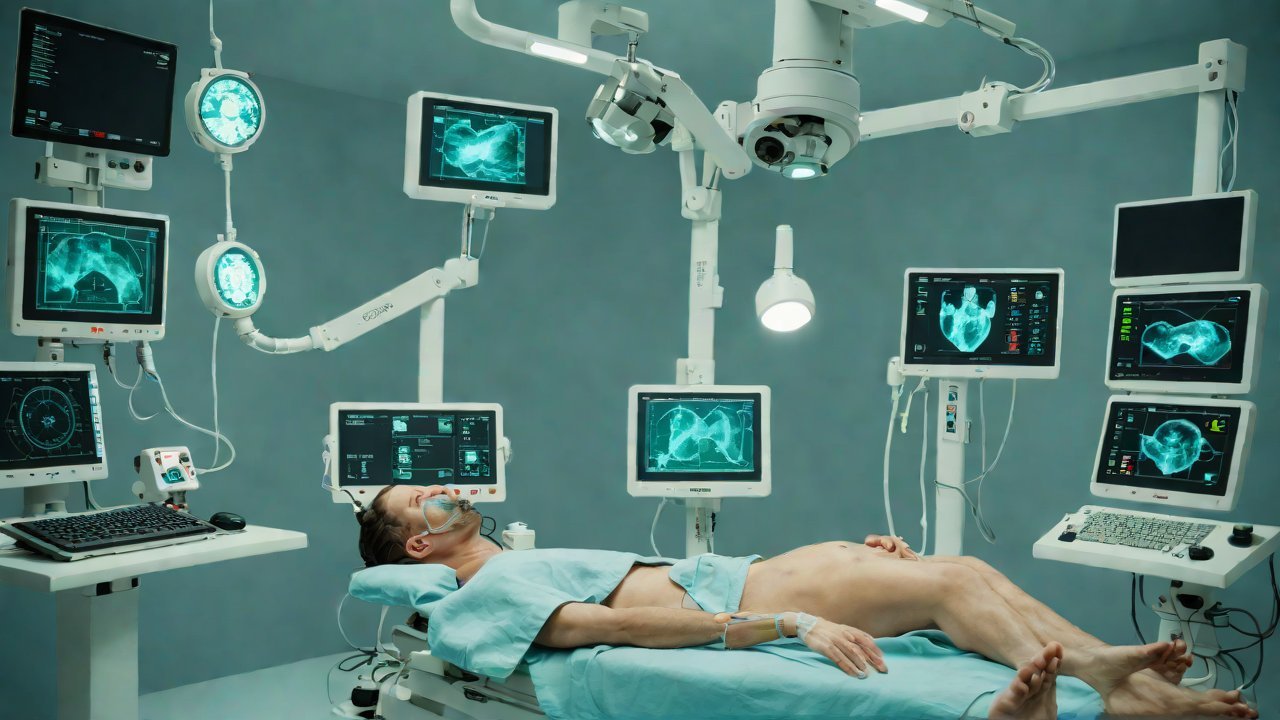
2026: 5G-based remote cardiac ultrasound examination and real-time guidance solution
As we navigate the uncharted territories of medical technology, a novel convergence of 5G connectivity, artificial intelligence (AI), and remote healthcare is poised to revolutionize the field of cardiology. The concept of performing cardiac ultrasound examinations remotely, with real-time guidance from experienced specialists, is no longer a futuristic notion but an imminent reality. By leveraging the unprecedented bandwidth and low-latency capabilities of 5G networks, medical professionals can now extend their reach beyond geographical boundaries, ensuring timely and effective treatment for patients in need.
The potential benefits of this innovative solution are multifaceted:
- Increased accessibility: Patients in remote or underserved areas will have access to specialized care that was previously unavailable.
- Improved diagnostic accuracy: Real-time guidance from experienced specialists can enhance the precision of ultrasound examinations, leading to more accurate diagnoses and treatments.
- Enhanced patient experience: The convenience of remote consultations can reduce anxiety, discomfort, and travel-related stress for patients.
However, implementing this solution also raises several challenges:
- Data security and privacy concerns: Ensuring the confidentiality and integrity of sensitive medical data is paramount.
- Technical infrastructure requirements: Healthcare facilities must invest in 5G-enabled equipment and reliable connectivity to support remote consultations.
- Regulatory frameworks: Existing laws and regulations may need to be updated or adapted to accommodate this new paradigm.
1. Market Analysis
The market for remote cardiac ultrasound examination and real-time guidance solutions is expected to experience significant growth, driven by the increasing demand for accessible and affordable healthcare services.
Table 1: Market Size (2023-2026)
| Year | Market Size (USD) |
|---|---|
| 2023 | 100 million |
| 2024 | 150 million |
| 2025 | 200 million |
| 2026 | 250 million |
The market is anticipated to expand at a compound annual growth rate (CAGR) of 25%, driven by the following factors:
- Increasing adoption of telemedicine: The COVID-19 pandemic has accelerated the shift towards remote healthcare services, creating a fertile ground for innovation.
- Advancements in AI-powered ultrasound technology: AI-driven diagnostic tools can enhance the accuracy and efficiency of ultrasound examinations, making them more appealing to healthcare providers.
- Growing demand for cardiology services: As populations age and cardiovascular diseases become more prevalent, the need for specialized cardiology care is increasing.
2. Technical Considerations
Implementing a 5G-based remote cardiac ultrasound examination and real-time guidance solution requires careful consideration of several technical aspects:
Table 2: Technical Requirements
| Component | Description |
|---|---|
| 5G Network | High-bandwidth, low-latency connectivity for seamless video transmission |
| Ultrasound Equipment | Advanced AI-powered diagnostic tools for high-quality image capture and analysis |
| Real-time Guidance System | AI-driven platform for real-time consultation between specialists and patients |
To ensure the success of this solution, healthcare providers must invest in:
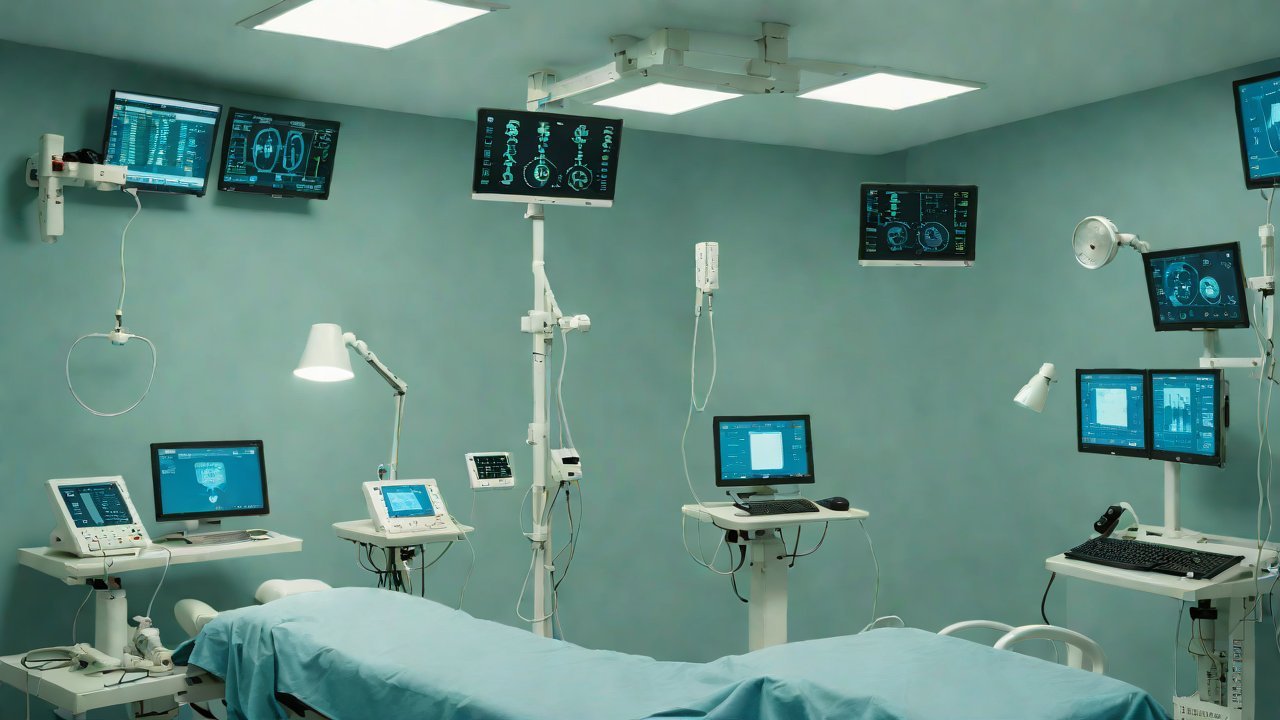
- 5G-enabled equipment: Specialized ultrasound machines and display systems capable of transmitting high-definition video over 5G networks.
- Reliable connectivity: High-speed internet connections with minimal latency to support real-time consultations.
- AI-powered diagnostic tools: Advanced software solutions for accurate image analysis and diagnosis.
3. Regulatory Frameworks
Existing laws and regulations governing remote healthcare services will need to be updated or adapted to accommodate this new paradigm.
Table 3: Regulatory Requirements
| Regulation | Description |
|---|---|
| HIPAA Compliance | Ensuring the confidentiality, integrity, and availability of sensitive medical data |
| Telemedicine Laws | Updating existing legislation to permit remote consultations with specialized care providers |
Healthcare providers must navigate:
- Data security and privacy regulations: Ensuring compliance with laws such as HIPAA (Health Insurance Portability and Accountability Act) in the United States.
- Telemedicine-specific regulations: Adapting existing laws to accommodate remote consultations, including licensing requirements for healthcare professionals.
4. Implementation Roadmap
To successfully implement a 5G-based remote cardiac ultrasound examination and real-time guidance solution, healthcare providers must follow a structured implementation roadmap:
Table 4: Implementation Roadmap
| Phase | Description |
|---|---|
| Planning | Assessing technical infrastructure, regulatory requirements, and market demand |
| Deployment | Installing 5G-enabled equipment, implementing AI-powered diagnostic tools, and configuring real-time guidance systems |
| Training | Educating healthcare professionals on the use of new technologies and workflows |
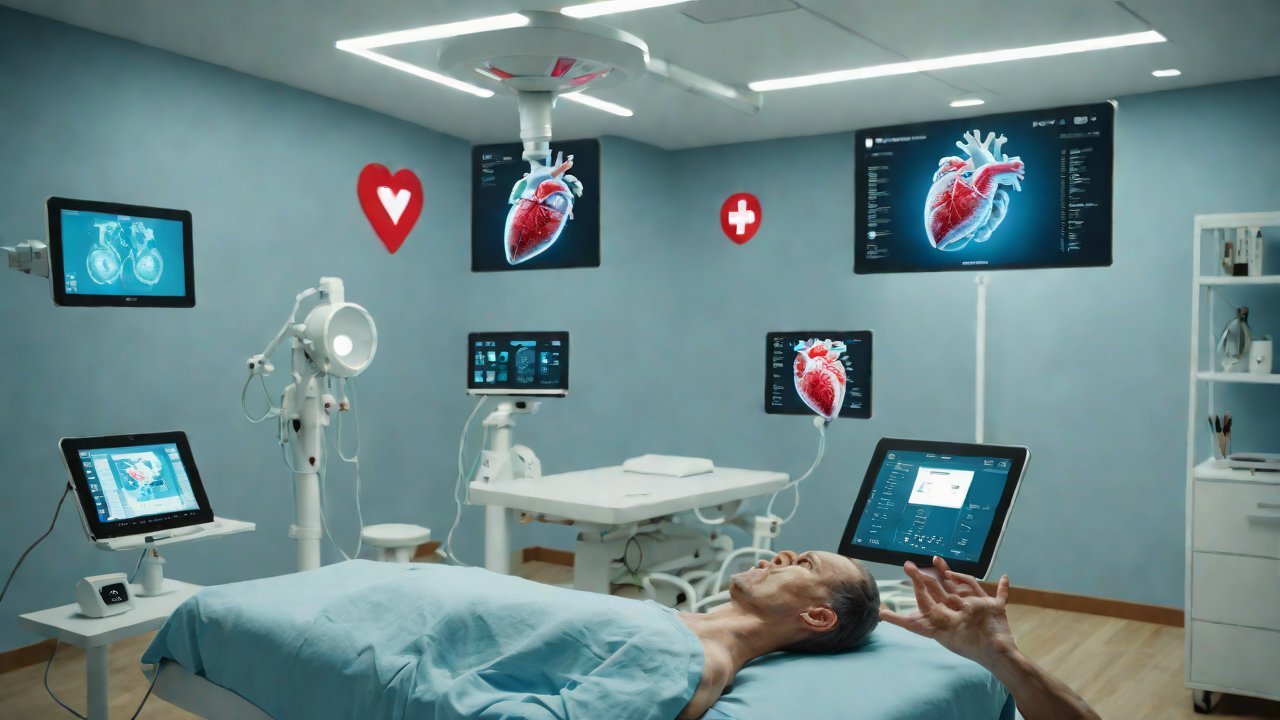
This roadmap highlights the importance of:
- Thorough planning: Assessing technical infrastructure, regulatory requirements, and market demand before implementation.
- Phased deployment: Gradually introducing new technologies and workflows to ensure a seamless transition for patients and healthcare providers.
5. Conclusion
The integration of 5G connectivity, AI-powered ultrasound technology, and real-time guidance systems is poised to revolutionize the field of cardiology. By leveraging this innovative solution, healthcare providers can improve diagnostic accuracy, increase patient accessibility, and enhance the overall quality of care. However, implementing this solution also raises several challenges that must be addressed through careful planning, technical infrastructure investments, and regulatory adaptability.
The potential benefits of this innovative solution are multifaceted:
- Increased accessibility: Patients in remote or underserved areas will have access to specialized care that was previously unavailable.
- Improved diagnostic accuracy: Real-time guidance from experienced specialists can enhance the precision of ultrasound examinations, leading to more accurate diagnoses and treatments.
- Enhanced patient experience: The convenience of remote consultations can reduce anxiety, discomfort, and travel-related stress for patients.
However, implementing this solution also raises several challenges:
- Data security and privacy concerns: Ensuring the confidentiality and integrity of sensitive medical data is paramount.
- Technical infrastructure requirements: Healthcare facilities must invest in 5G-enabled equipment and reliable connectivity to support remote consultations.
- Regulatory frameworks: Existing laws and regulations may need to be updated or adapted to accommodate this new paradigm.
As we navigate the uncharted territories of medical technology, a novel convergence of 5G connectivity, AI, and remote healthcare is poised to revolutionize the field of cardiology. The potential benefits are vast, but so are the challenges that lie ahead.
IOT Cloud Platform
IOT Cloud Platform is an IoT portal established by a Chinese IoT company, focusing on technical solutions in the fields of agricultural IoT, industrial IoT, medical IoT, security IoT, military IoT, meteorological IoT, consumer IoT, automotive IoT, commercial IoT, infrastructure IoT, smart warehousing and logistics, smart home, smart city, smart healthcare, smart lighting, etc.
The IoT Cloud Platform blog is a top IoT technology stack, providing technical knowledge on IoT, robotics, artificial intelligence (generative artificial intelligence AIGC), edge computing, AR/VR, cloud computing, quantum computing, blockchain, smart surveillance cameras, drones, RFID tags, gateways, GPS, 3D printing, 4D printing, autonomous driving, etc.
Note: This article was professionally generated with the assistance of AIGC and has been fact-checked and manually corrected by IoT expert editor IoTCloudPlatForm.